Show Notes
You’re Manifesting Wrong and Colette Baron-Reid Knows How to Fix It
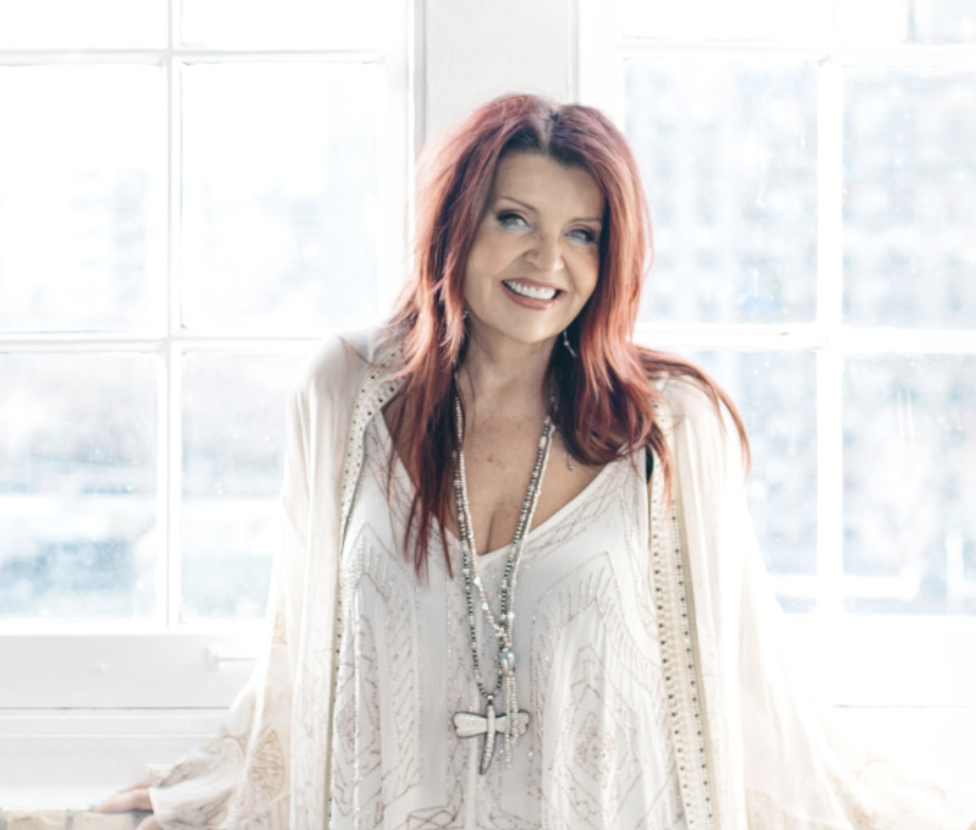
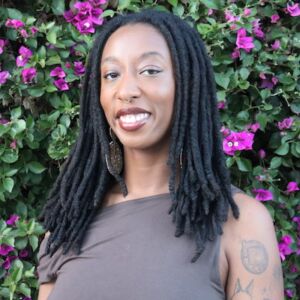
Charna Cassell: [00:00:00] Hi everyone. This is Charna, host of the LaidOPEN Podcast. Welcome back. I am so happy to have you here with me and I'm full of smiles because I really enjoyed my conversation with my guest today, Colette Baron-Reid, she's an internationally respected author, artist, educator, spiritual, intuitive, medium, and an Oracle expert. And she was here with me today to discuss the art of manifesting a meditative drawing practice to rewire your brain and create your reality. And we didn't get into too much of the detailed chapter by chapter content of her book.
She has very clearly laid out seven steps to doing this practice, but there's so much good, you know, nerd alert information scientific research to support how drawing, actually really [00:01:00] benefits our health helps rewire the brain. And, she goes into manifesting in a much deeper way than if you've been around for a while and know about The Secret and how popular that was back in the 90s.
So, she is so full of life and vibrancy and may we all live aligned, vibrant lives well into our seventies, eighties, and nineties. I hope you enjoy this conversation and get her book. It's full of, really good practices. Even if you do, you don't do exactly the, seven week committed daily practice process.
There are so many good practices in her book. So welcome Colette. So good to have you here. So glad to have you here. Welcome, Colette.
[00:02:00]
Colete Baron-Reid: Oh, thank you so much, Charna. I'm thrilled to be here. I really am.
Charna Cassell: I really appreciated your book. I think it's a great entryway into manifesting. And there's just so much good information about quantum physics as well. That's digestible for people.
And it [00:03:00] was also, I love all the nerd facts. The nerd alerts throughout the book which for everybody listening, it goes into more of the brain science and other kinds of science.
Colete Baron-Reid: You know, I've been in, in this particular field of intuitive development and personal transformation and very woo woo stuff too for 36 years, right?
So I'm a medium. I create, you know, Oracle cards, I've 19 decks out, et cetera. So I'm most known for that. But manifesting and deliberate reality creation has been a obsession of mine since I began, because I always was fascinated with how our thoughts, feelings, and beliefs engaged with the outer world.
Like how is it that what we broadcast, responds back to us? And so, I really needed this not to
be another woowoo book. It wasn't just about divine law, et cetera. I couldn't do a book like that. I am a [00:04:00] nerd. I am a total science nerd. And the woman that I brought on board to work with me on the book, Anna Denning I had joined her fabulous art community. She teaches different types of neuro arts. She has a neuro art school. We made friends and she also was a total nerd, right? So
we were like, we need this to have gravitas and we need to. Get the research done and have the citations there so that we know for sure what we talking about is already underlined and exists, but we put it together in a way for that like that.
You said the entry level, the person or the person who's coming back to manifestation? Mm-hmm. After believing they might have failed or that it's BS or whatever, because right. Sometimes when you have been taught that the universe is Uber Eats, it's not gonna come. Right. Because a lot of manifestation, I think techniques that are sold on hashtag TikTok is really about Uber Eats
version of the universe, and that's not how it works.
It's [00:05:00] not at all how it works, right? It's a dialogue. It's a dynamic relationship we have to the quantum field that rarely gives us back exactly what we put in our order for, right. It really is something much more exciting and much more, much deeper and tells more about us as human beings and our capacity to create, to really create the reality that we want, but to become the people that can have the reality that we say we want.
Yeah. Which is more important than anything.
Charna Cassell: Well, and what you're also pointing to, which is important, is instead of Uber eats, which is like you put an order in and you get it right away, you're like 40 minutes. Yep. You know, it's it's a practice. It's and you, your book is really chock full of so many practices, not only a very structured like, you know, this, do this for seven weeks or do this for a week at a time.
Yeah. But they're all these beautiful micro practices, which I'm a big fan. Yeah.
Colete Baron-Reid: [00:06:00] I love that you brought that up because, the difference between what we did with the art of manifesting is the fact that art is part of it, right? The idea that we take pen to paper and it has to be your hand and has to be paper, right?
It's a human thing that we do. You can't do this with an algorithm. You can't do it with an ai. Okay? You've gotta do it with you and
you and a paper where you recruit a different part of your brain and you are now making something real because you see it. So you see a representation of it very much like our ancient ancestors did.
And our earliest pictures, which we have in the book too, is we have a lot of that in there. You know, the people that drew baby lines in circles were 600,000 years ago in India, BC, not years ago, BC Right. So, you know, where you start seeing these, you know, rock carvings and then these paintings inside of caves, et cetera, where we also realize that this was an affirmation in advance of, [00:07:00] right.
It's like the rain dance, which we call upon. We ask for it. We say we are ready for it. We are it, you know, we experience it in advance. We are grateful in advance. So this isn't new and we are not the first people to write about this or at all. But if anything, I think we forgot that this is part of our ancient in, in technology, human technology where art came before spoken language.
Mm-hmm. We drew before we talked. Yeah. And we could understand each other if we drew something. Mm-hmm. Right.
Charna Cassell: You speak about this in your book a little bit, but the relationship between you and Anna and how it was filled with synchronicity. Oh my God. Why you chose to blend art and manifestation and if it specifically links back to it being one of our first ways of communicating. Right. And
future visioning. If you could say more about that.
Colete Baron-Reid: Yes, of course. Well, both, you know, well, I'll talk about how I met Anna [00:08:00] after, but I'll just say this, like the idea that art of any kind, right?
So drawing this is about drawing and then you don't need to be an artist to do this book. Why? We sometimes refer to it as you know, frequency art or doodles because it's so simplistic. But I've doodled and drew since I was a little kid and, you know, when we were little and we drew our little, you know, terrible drawings, but we were like, look what I made, because we were like into it and we were like, we got into a state of flow where anything was possible when we're kids. That gets unlearned over time, right?
Where it just gets replaced by different ideas about how the world works.
40 years ago, let's go there. 40 years ago I got clean and sober, and that's really where this story should start.
And after, you know, many years of a lot of very difficult situations, et
cetera, I became a drug addict and an alcoholic. And thank God I was young. And I got clean and sober when I was 27 in 1986,
still and still am. The first, one of the first things that I did besides going to church basements to talk to other [00:09:00] recovering addicts and alcoholics was go to Unity Church. And the Unity Church introduced me to New Thought, the new thought movement. And in the new thought movement, I became like a humongous fan and avid reader of anything that Catherine Pondered, the minister wrote. One of the first things that I had read about was something called Treasure Maps, which they talked about prayer in the form of a drawing or a collage.
So Art, and I was already a singer songwriter. I was always, I had already been an artist, like, you know, I'd made a professional artist actually. But
ultimately, at the end of the day, this was. Art that was on purpose. This was intentional art that could call in.
Its, its match in the outer world. So I was steeped in that. I've been steeped in this idea for 40 years and got into the field of intuitive arts, et cetera 36 years ago. So this has been my interest.
So how does art, how does making art or eventually sigil making, which is what I taught in most all [00:10:00] my workshops, so all the things that I've done, my smaller workshops had some type of artistic component in it because it anchored it anchored the belief, the concept, the desire in something formal.
That was iconic to you. Like the original thing was like sigil making, which is comes from Mesopotamia and whatever, which was you know, really creating a symbol or an icon, which we already have in our society. We have the golden arches of McDonald's. We know what that is. We see apple with the thing.
We know it's a, we know what it means. So there are things that represent something to us, and we know exactly what that is. And so we expect to see it attached to it on the other side somewhere. Right?
So very much like that was already in my mind. I met Anna, but fascinatingly way, like a most amazing way because I had broke my foot and I had just finished painting 44 of these big giant paintings, which became my latest Oracle card deck guides of the hidden realms.
But I couldn't stand in front of a canvas with a broken foot. But I was always interested in [00:11:00] line art. So one day I just got sitting in bed, going down the rabbit hole of YouTube. I started seeing things about the neuro arts.
That came first. So I was really fascinated with, well, what is this? And the first person that coined it actually was an American scientist in 2012.
He was the first person who coined it, I can't remember his name, but in, you know, talking about how art impacts neurophysiology and how it changes us in a really big way and how important it is. And then I'd already seen like the art of say Greg A. Dunn, you know, who two painted neurons.
He was a former neuroscientist and painted it. And also the original you know, godfather of neuroscience who was also an artist, right? So I'd seen all these things and I'd already been drawing them. They looked like, you know, that was kind of how I doodled anyway. So I thought, oh, that's so interesting.
Anyway. Then I landed in a class for seven year olds, which I took and in, and then I landed at Anna's doorstep. And Anna was teaching a number of things. She has a neuro art school, so she teaches a number of [00:12:00] different styles, one of which was called Neuro Graphica , but it wasn't about connecting to the universe. It was really a psychological process to do something very specific, like many of the aesthetic coaching.
Processes. So I had already been playing around with this and my way about going, you know, you know, you could actually see a result if you start doing
this like this. 'cause I had already taught SIL making and I knew it could do it. And then when I showed Anna, I'd already had seen shown everybody at Hay House and they were like, this is amazing.
And people were seeing results on the other end of it, going like, how did you figure this out? I said, well, honestly, it's just a, you know, it's a combination of so many things that have existed way before me, but this is just my recipe of this. You know what I mean? You can have line shapes, things like that and you, but you put a recipe together and it means something else.
But Anna, I, so I took some of her classes and she would say in the camera, well, this drawing is about you know, my future, my, my future self who will come into my life, you know, and [00:13:00] expand my career and things like that. And I'm like going, I think it's me. So I wrote her. We had already become friendly, but I'm like, you know, you did that video there.
I think it's me. I think we're supposed to be doing something together. Hay House had offered me a book deal. I said, I think you should come and do this with me. Then we found out we were both Reiki masters. 'cause I was
secretly reiki putting reiki on the paper, like I was doing this whole thing. Mm-hmm.
That I wasn't teaching other people. And she was too. And I'm like, we need to teach people how to do this. And then literally. She had been want, wanting this. And I had been, I love partners and I wanted a really smart partner. I, and she was smart and so talented, and she was in the same thing as me and like totally interested in all the same things.
And she had already had all my Oracle cards. So when I told her what my name was, this is before we made friends, she was like, oh, what did you say her name was? And I'm like, yeah, Colette Baron-Reed. And I just watched your video and I think I'm the person and I think we're supposed to make friends.
And I think she's like, oh my God, look, I have all your cards. So we really [00:14:00] believe we didn't have a choice. We were put together because the way this book was written, and then we had the most amazing collaborative editor with us too, on board with us. It just literally channeled through us. Like anytime we, we had a question about something, we would find it in this weird obscure scientific journal or something else.
Like, we need to back this up. It can't be anecdotal. Like it was amazing. Yeah, it was amazing. It just flowed. And we have great respect for the other one, and she's brilliant. And we're gonna be training teachers to teach people how to do this too. So we're totally in sync and I love it. And Hay House loves it.
And it's the most fun thing I've ever done. 'Cause it's the first time it's blended. Yeah. And it's for everybody. That's the other thing. This is for everybody. Anybody can do it. You don't have to really even believe anything to do it. You just have to be curious enough to notice the synchronicities that happen when you start this process something happens. And I think we have lost our agency. And I think [00:15:00] the reason why this book now, why this book now, like why did it happen so fast? How did we do this? Like, what the heck? Like we just feel like we're like being, okay, you two go here, you they go there.
But it's because people are losing hope. They're seeing the outer world as the only world that tells them how they should feel or be instead of having the agency to make their own choices from an internal guidance system. Right. And this is what this restores. It really does. And all of a sudden you're like, wait, I didn't notice that.
Look at that. And then you start getting these little signals in the outer that you couldn't possibly have made up. Mm-hmm. That are there, that are just going tap. Like a little birdie at the window. Hello. I'm listening to you. So it may not be the big 40 minute delivery. Like you started by saying. Boy, oh boy. You get the next right action showed you do this next. Come here now here's where we're going. Yeah. Not this, but that. Yeah. And you participate again. Mm-hmm.[00:16:00]
Charna Cassell: Well, I'd like to even rewind to super sure language because many of many people listening might know exactly what this means and other people don't.
But one of the things that this book offers is how to live in alignment with the consciousness of the universe. And so what does even being in alignment mean?
Colete Baron-Reid: Yeah. You know, I recognize that I, I try not to use those kind of overused words, but you're right, you know, alignment. So what is alignment? When you know you're in sync.
Mm-hmm. Like alignment means I know I'm in a coherence or a sense of harmony. I know I'm in the right place. Like there's just a knowing. It's intuitive, it's physical 'cause you feel it in your body and you track that you sometimes you may not even be able to language what that is, but you feel it in your body.
You know, I'm on track right now. I know and you can relax into it. [00:17:00] Alignment is a relaxation, right?
It's not like I am fixed to this because there's no such thing as fixed anything. It's a continuous evolution. if your train goes off the tracks when you compare yourself to others.
When you want what other people have. When you follow trends only when you make your decisions based on what you think you're gonna get. Like those are misalignments, right? Alignment is when you're like, I am supposed to do this here. I feel it. I know it. I've had a little mini synchronicity over there, or a meaningful coincidence, and people don't know what a synchronicity is, right?
Little meaningful coincidence. So we keep going there and we keep taking that action. Just like joseph Campbell says, we take one step towards the gods, they will take 10 towards us. It's that, and it's not perfect. Alignment is not something that I have never met anybody perfectly aligned 24/7 all the time.
You're gonna lose your temper, right? You're gonna miss the green light.
You'll be stuck at the airport. All of those human [00:18:00] things are gonna happen. They're gonna challenge you. So it's not perfection, but the progress is extraordinary. When you know, you're gonna go, you know, and fall asleep at the wheel once in a while and get afraid or do whatever, be pissed off at somebody.
But ultimately, at the end of the day, you just kind of slide right back in again. And that's what we're talking about here.
Charna Cassell: And just a little side note. So I'm a, I'm a somatic therapist and terms of feeling alignment, so, you know, I work a lot with people's structure, right? And when their head's out of alignment or when their pelvis is out of alignment, the brilliance of being out of alignment in terms of trauma is that it, you feel less inside yourself, right?
It can help numb you out. So it can be useful if feeling has been really hard or scary. But when, so when I'm working with someone, I've had this experience so many times, and they click into alignment, they'll be like a rush of energy,
my body, and they're [00:19:00] also like, whoa. And they can feel themselves.
When we're literally speaking about physical alignment inside your form, right? Yeah. You get aligned in that way. It's, it speaks to why it's hard for some people. They live physically out of alignment for a reason. Yes. And it takes a lot of courage to come back into themselves, to be in their physical body, to embody alignment, and then to get beyond their own physical body and become aligned with the universe.
Right? Or whatever it is. Put it out there. Right? It's like, be visible. It's a little, it's a lot.
Colete Baron-Reid: You made a very good point and I'm really happy you made that point, because this is for everyone and it is about getting back into alignment because I think we've gotten out of alignment. Mentally, spiritually, emotionally, right?
And re-traumatized is very common, right? You know, more and more of us are keeping on, like you cannot be in a heightened [00:20:00] state of stress response for so long the way we did all throughout the pandemic. And then now as well. We're getting manipulated by all this information too. So there's a reason why we're somebody out there doesn't want us to be stable. Right? Or aligned. But you can do it. But you have to acknowledge, hey, I'm not feeling like I'm in sync. And it may be that you start this and then have the courage to go see someone like you, 'cause it is scary. I've held that personally, my physicality for so many years where I've held a, like a protection thing. I had a bad, violent experience in my late teens, right? And a few more in my early twenties that created this of, that I need to protect myself somehow, right? Mm-hmm. So, going to a somatic i, I see an osteopath that's amazing. It's like, well, when you just, when you clock on, I'm just like, woo. Because every once in a while, that's my natural, I'll go to that. So, just knowing that it's not [00:21:00] gonna be perfect, but we have tools. We have people like you or, you know, if you can't find and you can't go to a somatic, healer or I don't know, therapists like you, you may, you know, you could pick up a pencil and a pen or a, and a piece of paper and start somewhere. Yeah. To say, I recognize I'm, and not to dwell on it is the other thing, like the more we analyze misalignment, the more we're in it. I think too, it's like, oh, this happened and that happened and this, we got a big story.
And then by the end of it, oh, I don't have any time. Okay, I have to go now. Right. It's like, let's just know it's there. Acknowledge it, be really respectful that exists, and then slowly take these little steps, these little, that's why our thing is seven weeks long. Mm-hmm. Right? And we have these gratitude.
It's all based in gratitude. And if you run, if you bump up against yourself or something that you're not ready to look at or whatever, you just go back to gratitude. You just go back to awe. You go back to reverence, awe, gratitude. And [00:22:00] surrender that. And something is gonna,
you're gonna have an opportunity as a new invitation to see things differently and it's organic and I have to tell you something. Okay. So, but speaking about organic, right?
Charna Cassell: Yeah.
Colete Baron-Reid: Okay. So my friend Kristen gave away a whole bunch of books in Los Angeles, and she did it at a birthday party. And every, and the paper that they got was botanical paper. I'd never heard of that before. So, so she's called me on the weekends saying, oh my God, all these parties are happening.
These women are having their own parties and they're having, you know, brunches and getting your book and working with this particular paper. So it really hit me. The botanical paper is a paper that is made with the seeds of wild flowers, right? And you can plant that paper so you can plant your intentions, right?
You can actually plant this thing and it's organic matter, right? And. Uber Eats isn't organic. Do you know what I'm saying? It's like instant. It's like, give it to me now. There's no integration, [00:23:00] there's no sense of wonder and awe as it unfolds. Right. And that's what I want everybody to know.
Yes. I mean, I've had things happen so fast, it's insane. Like with this process, but the bigger value of the becoming is taking time and it takes time for all of us and we need to allow the organic quality of evolution to happen. But the only way we can do that is to recognize that the source is, or the quantum be able to The universe is a source of our supply.
Charna Cassell: Yeah. And we can let go. Mm-hmm. What that also, what it reminds me of is gardening. So I'm a big gardener and it's, and you know, I also from year to year, don't know what bulbs are gonna survive.
Like, sometimes I leave things in and sometimes I pull them out, tulips and dahlias and all sorts of things.
And so there's that waiting period. And so what it reminds me of is, you know, you plant these seeds and then you have to let go and you surrender.
Yeah. [00:24:00] Right. You, You just like, okay, so what, what's
gonna happen? And you wait for what will materialize and it asks a certain amount of trust. Right?
Hopefully the gophers don't eat eat bulbs this year, you know? But that's one of the, what, that's one of the ingredients inside your recipe. Yeah. Right. Trust. It's gratitude. There's trust, there's surrender, there's doing the action there's taking the action to, to plant the seed or draw the drawing.
Yes. Each in the practice on a daily basis.
Colete Baron-Reid: Yeah. Like I doodle or I do the, I, every day, every night before bed, I'm doing something on a drawing. Mm-hmm. And I wake up do, and I do the same thing. I have a cup of coffee and before anything else I am, I just am stupefied in gratitude is what I do. And I draw and I just go round and round.
And I don't particularly draw anything specific. I don't set out to draw anything specific. I start with a circle and I just [00:25:00] say thank you and I say thank you. And I conjure up a very specific thank you though. So I like, and I tell everybody too, and in, in our courses, et cetera is to find that sense memory that you have already.
Now, I don't know if you've had kids, but I know you have a dog. I know you have this very special Toshi right? So the first time you set eyes on that little being. Your heart exploded and you are grateful, right? Like, oh my God, are you kidding me now? Right. That is the feeling. And when a per, but if a person has had a baby, they know what that feeling is like when they look at that baby.
Mm-hmm. Right. You are flooded with a sense of wonder and amazement and gratitude and wow. Right. I have been like that with every single one of my dogs, particularly this one who's really failing right now. My dog Bezo, but my other dog, Sebastian, they were both interesting little black dogs. But yeah, that feeling state of wow, oh my God.
I remember crying when I first said eyes on her. I was just like, sobbing. [00:26:00] And she was the cutest little thing, but I totally just knew. Wow. And so when I can't think of anything to be grateful for example, you might wake up, you know, and your little goblin and woke up at the end of the bed before you did and going like,
*makes noises*
I'm like, jealousy or whatever. Just like, okay, fine, whatever. I'm gonna go back to that memory.
I'm just gonna do that over and over, and I don't think about her when I do it. I think about the awe, the gratitude. Right?
Charna Cassell: It's so, I have to say, it's so funny, you know, we're talking a lot about synchronicity and so many that you've spoken to are synchronistic for me.
And I'll start with the dog thing. So, when I first discovered Dr. Joe Dispenza's work I was allergic to dogs since childhood. But my neighbor, the, my, my landlord who lived in the front had this dog and it would greet me with this little funny smile.
Like it would, like, whatever, the funniest thing every time I came in and I just I started to associate that dog with being welcome. [00:27:00] And before I'd gotten that, I manifested that, that place to live in this remarkable way. And I had been praying and visualizing to un memorize the feelings of terror, which was yeah, my childhood.
And with feeling welcome and peace and, you know, and all this. So anyway, so then I would never have included a dog. 'cause it was outside of my thought of like, I'm allergic to dogs. I fell in love with this dog. And so when I went to my first retreat with him, it's just like a Tuesday thing. And when we had to access gratitude, it used to be my somatics teacher that I would think of 'cause I feel so much gratitude for how much that transformed my life. But then it became this dog, right? And so I picture this dog,
and then right then it became, Tohis name is Santosha, which means contentment in Sanskrit. And that name came to me before, before she did. And you know, that's a whole [00:28:00] other story.
But basically absolutely that dog instant, instant heart opening, right? Coherence, whoa, right. Immediate way to connect to gratitude for me. Right. I also just have to say the, all the collaging. Right. So it's an interesting thing. I really believe that, that art was a primary resource for my. For any kind of nervous system regulation. Yeah. When I was a teenager, I would just, I would collage anything and everything. I would sculpt and I would paint and and so I just wanna put a plug out there for all this incredible wisdom for kids doodling in class, but also making art and really valuing that as a way to regulate our nervous system and to calm ourselves when we don't have any resources.
Colete Baron-Reid: Yeah. And it works. You know, I've always been very anxious when I was a kid. Well, I mean, I had all these extra information coming at me also at the same time. But [00:29:00] regardless of that, I had a lot of mental health challenges and doodling, drawing, you know, any, and for me too music became a really big one.
I know that this works, like, this works to calm me down, this works to get me back in a track of mm-hmm. Of thought. Also, you know, I am very much about more God less me. You know what I mean? And again, keep an open mind to use that I, that's a very comfortable term for me. Mm-hmm. For me, God is not a white guy in the sky, nor does it have anything to do with religion.
Yeah. It's really this consciousness of the greatest intelligence, and that's what I see it as. Source with a big capital S, it's just easier to say God. So it's like more that less me. And when I say less me, I have less fear, less grasping, less attachment, less, you know, the sublimation of the ego that edges got out ease.
Yeah. Right. Like that little welcoming little dog for you. Now you're in love with this dog. Right. And it's this most amazing experience. It's like, we can't [00:30:00] make this up. Mm-hmm. Either like. Right. You know, Joe, and I were actually we've met many years prior to that and became a good friend.
And I've been to a lot of his events, which are great. He used to do these events, I think called Three Amigos with him and Greg Braden and Dr. Bruce Lipton. So it was Bruce in his book the Biology of Belief, where he talked about the epigenetics where yes, the environment, right?
And so if you have the environment of the mind, right, that is peaceful, easeful, joyful, like, you know, his whole honeymoon thing he talks about, it's so true. It turns on certain genetic responses and certain ways in which we process dopamine and serotonin, all these feelgood chemicals that go through you when you remember that gratitude is the easiest.
That and love of course, which is, you know, even higher than that. And then you know David Hawkins who taught that well before that as well too. It's so important. And then having that, I remember being in one of Joe's events 'cause he had big groups and I loved it. And that's [00:31:00] what I loved most about it, is that you're in the room with all these people focusing on this because where two or more are gathered, there I am.
There I am. Right. We had 40,000 people last year at my vision board challenge where I taught. I started
teaching them and started introducing the concept of the zone of synchronicity which is really about trusting, like, you know, you talked about having a level of trust that when the bulb is there and the golfer won't eat it. Right, right. Same sort of thing is like, okay, so we typically, when we say this or something better now manifest for me in divine appropriate timing, which typically is what we learn how to do on,
on the old school vision boards. But I'm like, you know, when have I ever got it the way? Exactly. As I said, every single thing that I've manifested from the vision boards that I put out there all came to me through outrageous synchronicities. Yeah. Right. It never came to me because I took an action and got the exact response. That's never how it went. Right. So I thought, well, how come we don't put that on the [00:32:00] So I started drawing a zone of synchronicity outside of it and saying like, guys, we need to focus on this and leave these things and let spirit say, so let's focus our energy on the frequency of that zone.
Where we're just surprised and excited and happy. Cause it's gonna be better than what we come up with.
Charna Cassell: I wasn't raised with any kind of religion, but I've always been interested in ritual and sacredness. Even as a little child, my mom would my mom's pretty, I irreverent and she would be like, *roars/squaks*, roll her eyes.
The word God was something I didn't get comfortable with until I started going to a non-denominational church in my late twenties. And I was drawn in by the choir. I thought they were amazing. Yeah. Same music. It was music. They played guitar. Yeah. This church, it really helped me. It was a place that was very queer, very black, very like, you know, Alice Walker went there, there are rabbis that went there.
Like, it just felt very inclusive [00:33:00] and and that felt really good to me and important to me. And and so, but the, and I went to Al-Anon as a kid. Right. Ine as a teenager. But, so I'm, but I felt very uncomfortable with the god talk. So I'm really interested. Well, and I'll say one other thing, which is what I find in working with clients and I specialize in working with trauma,
is that when people have some connection to source or spirit, whatever you wanna call it, healing happens more easily for them. Yeah. So when there's a break in trust with God or source it's such an essential way that we feel held in the world when, especially if we don't feel that with our own family members. So what you say to people who need reconnect or have more peace or ease with the concept of a higher power so that they can even step into this work? You know, because so much of it, like, and I really is this, see things happen so quickly when you can.
Colete Baron-Reid: Alright, so this is my [00:34:00] favorite thing to talk about. Good. So I obviously have a background and a 12 step. So, I got involved when I got clean and sober, I went to it to a treatment center for women.
Mm-hmm. And I remember them, they had it two options. One is an inpatient, one is an outpatient. And when I explained to them what was I thought was wrong with me, they signed me an inpatient and I told them, AA doesn't work. I'm not doing that.
There's no way I'm doing that. It was all 12 step everything that was based on 12 steps and the, and because I had.
I'd had a really varied, messed up relationship with religion. I went to a private girl school, which was Anglican, which was okay. And then we went to a private Catholic school for two years. That made me very, when I was yanked outta the prayer line because I was not a Catholic. The nun grabbed me.
I wasn't allowed to lead. Even though I was the vice president of the class, so I had all this like freaked out stuff about God being like [00:35:00] exclusive to different things. Right. Different types. So I was, and I thought it, I thought that, God, my understanding was following me around with a flies water. So I had to come up with a brand new idea of what God is.
I had to give it a new job description. And one of the greatest things in that treatment center was they're saying your higher power can be anything. Mm-hmm. If you want it to be the universe, that's fine. If you want it to be nature, life, you know, so I, I got stuck looking at a tree one day and I was like, who made that? I couldn't get my boot out of the snow and I was wearing stiletto heels. Okay. Like, you would not believe what I used to look like when I first got into the treatment center. I looked like, oh, like seriously studded brassiers, like with the big, you know, big metal band hair. Yeah. Okay. And I was just had the spiritual awakening going like,
Wow. Life is everywhere and God doesn't make junk and whatever God is, I've got a new brand, new God, like, and I realized [00:36:00] that this is, this was this intelligence that didn't have to have anything to do with those things. So I had to come up with my own mm-hmm. At first. And and then I, so to recognize that you're not alone is the most important piece.
But I can't tell anybody how exactly to do it, except maybe to sit down with a rose and look at it and say, well, who made this? And then when you've come up with a good answer, that's your higher power. Mm-hmm. Right. Because you didn't mm-hmm. You did not make that Right. Something bigger than you. That makes this world grow and flourish and is alive and living and energy and whatever you wanna call it.
And eventually it'll evolve. Mm-hmm. I think 'cause my higher power has evolved over time. Yeah. I didn't, I liked Goddess for a while. I never wanted, I wanted the whole feminine thing and then I was like, oh, who cares? And then it was like, you know, I just [00:37:00] tried different things and like, I think that your relationship to a higher power is allowed to evolve as you evolve.
Mm-hmm. But one thing, I will say this, I have an unwavering faith and trust.
Mm-hmm. Even though I don't always like what I get. I want something else or more, or something else has been my, you know, my, my character flaw to work with. But I always know that it's the right, what is right for me will not go past me. I believe that a thousand percent, if I ask to be of service and to be used, I will be. Mm-hmm. Mm-hmm. And it will be for good.
Charna Cassell: Yeah. Thank you. You're welcome. One of my baby steps in making peace with the word God that I really appreciated. There was an 80 something year old Baptist previous, you know, a woman from the south living in Oakland, who was the preacher at this church I went to. And she would say, if you don't like the word god, just put an extra O in it. And it's like, what's the good, what's the, you know? Right. What's [00:38:00] the good? And then the good inside you.
And yeah, that, that quiet, intuitive voice.
The good orderly direction. Ah, good. Orderly direction, right? Mm-hmm. Direction. Yeah, so it's a really tricky one because so many people have been so abused or there's so much shame. I mean, even religious abuse can live in the body, like sexual abuse
And so helping people unwind that, but then how to, you know, have a new relationship. It's like if someone's been burned by a man, then they're like, I hate all men. And how to believe that there is still good out there. And I think we're all born good.
Colete Baron-Reid: I think that's the other thing. Like, I believe we're born innocent, we're born good. There's no, I think, you know, the whole misuse of the word sin, it actually means to miss the mark.
Right? So I believe that we are born whole, we are born innocent, we are born pure, and we are born good. Mm-hmm. And we, we [00:39:00] unlearn that that is true, right? I believe that there is good in every single human being, and that at our essential core, we are first spiritual before we are physical material personality beings.
Mm-hmm. Right? We are first that, so it is our core is where we come from. So I don't, you know, I, I always get a kick out of atheists. Because they're they definitely believe in something. And whatever you really genuinely believe in becomes your higher power. The thing that you pay most attention to becomes your higher power too.
So that's another thing, like, am I paying attention to my resentments? 'cause then that's my higher power. Mm-hmm. So what is good? We recognize good. We know what good is. It's pretty simple. Yeah. Yeah. Right. Do no harm. That's good. Mm-hmm. Right? Contribute, care, have compassion, show kindness.
Yeah.
Be, be loving. Right?
Charna Cassell: What you're speaking to is also just a, a universal [00:40:00] principle that is so important, whether it's in martial arts, somatics manifesting, but that energy follows intention and attention. Yeah. Yes. And so I first learned that through one of my primary somatic teachers is also a martial arts master.
Just this idea that like, wow, you can actually move a really big man, right. With your focus and your intention focus, you can have a clear boundary and you know, like a, consolidate your energy if you're congruent with your words and your actions.
Colete Baron-Reid: And that's the thing, what you just said, the congruency.
Mm-hmm. So that was the other desire that we had for the book, was to really show people in a very gentle way. Mm-hmm. Because you sort of organically get that congruency all of a sudden it's like, oh. I'm feeling like this there, my action wants to go here, my behavior is gonna match that. So like, you know, the congruency starts to become more focused and then you're gonna follow that.
And then the reticular activating system of your brain [00:41:00] is gonna take your eyeballs and notice out there where is the match to this. Mm-hmm. So there's this, again, this congruency, like you said, and then eventually at some point we get aware enough to be really conscious of this and we do it deliberately with focused attention and intention.
Right. So like that it's kind of like, yeah, the martial arts of manifesting. Mm-hmm. But you have to do inner work. You don't just go to the dojo and all of a sudden can do all this. It takes training.
Charna Cassell: Right. Right. So some of the work, some of my training was working with horses, and that to me was some of the most miraculous, you know, that, that just showed me what my energy did in an undeniable way.
And seeing, being in a group of people of like 12 people, and each person does the, has the exact same
instruction to work with the horse in the exact same way, and how different the same horse would respond based on each of our energy. Right. And so just that kind of, that's like giving you that [00:42:00] immediate feedback that you cannot argue with versus being like, oh, personality, and I'm a personality and you don't like me, so you're thinking I'm a this kind of leader, or that kind of leader, you know?
Colete Baron-Reid: Right. Yeah, so, right. It's so interesting. And so that's actually a being. Right. So, and, but the universe responds similarly to us. Mm-hmm. Right? And we know we may not get a horse in front of
us to, to right. To like do something with, but we will see events play out in front of us that matches, right.
That, that energy or that frequency that we broadcast externally. And like you said, when we first started our conversation about chemicalization, which for the listener who doesn't know what this is, it's kind of when the shit hits the fan before you get what you want, because you have to actually clean house. 'Cause it's like, oh, you're not the person that could become the thing. Like, you don't, you have to move a few things around in order to get where you wanna go or what you said you wanted to, you know, what you [00:43:00] intended to become. So things get taken away or things, whatever, but that can be a really great sign because it's like, oh, I've work to do. Perfect.
'Cause it's really good. Instead of it's not. No, it's not. It maybe not now because we have to do this first. Mm-hmm. So we always have a reflective answer from the conscious universe. We just don't know how to recognize it. And so that's how we're kind of, we're really hoping that doing these drawings and then becoming curious, you know, who else did this was Pam Grout in her book "E Squared."
So she did a fantastic job, you know, with doing that. I think she had one exercise with the dude abides. ' cause she called her higher power The Dude. Yeah. Right. And so I think it was one where you looked for a car, a very specific obscure car and then all of a sudden you'd see one that was so weird.
And I remember thinking of an orange what were the chances? It was an orange it was a british car.
What did I think of it? Was [00:44:00] the Panther car. Crap. What was that? Jaguar? No. A Panther. Yes. Thank you. A Jaguar. Can you believe it? And there was like, w it's a 67-year-old brain guys. Okay. So yeah.
And I saw an orange jaguar.
Mm-hmm. The next day when I thought, ah, I'm not gonna see this in a parking lot, where all these people came with their cars. Like they have that at, at, they, we have a, a Greek fabulous burger place here.
But it also is a place for meetups for people that bring their cars.
And there it was a bright orange jaguar car. What are the chances? That's funny. Right? So it's like things like that where you're like, okay, I'm gonna focus on this and then I'm just gonna let it go.
Charna Cassell: Along the lines of cars, one of the things that really stayed with me, I love, so I, even though I'm very, I'm a somatic therapist and I do body work and I do martial arts based practices and I work in all the, and I do energy medicine, I do all these other things like that. I really love listening to language and word play. So very kind of laconian, [00:45:00] also Jungian. So I had a client who do you,
Colete Baron-Reid: I wish you lived next door to me. I would hang out with you every day.
Charna Cassell: You have to come and visit my garden and see if the gopher mean you, you think, and talk about all the stuff that I'm interested.
Well, we'll definitely have to, we'll have to keep this conversation going. A client was dealing with a situation where, they're, they'd found something out in their partnership and they had, and they lived like however many hours away, and they're like, my relationship is exploding.
And then she proceeded to tell me about how her car engine had exploded on the way to drive and see him.
And she hadn't like, seen the connection between the language. Right. And I was like, wow, this is such a, you know, somebody could say it's a synchronicity, but it's, it's this piece of our, of our inner world being reflected in our outer world.
Colete Baron-Reid: Yeah.
Charna Cassell: I always notice when stuff happens with my car, like if I get a flat tire or like my engine, I mean, yeah we, that's a whole other conversation about cars, but it always reflects, it's like when [00:46:00] I am, when I'm, if I'm literally feeling energetically out of gas, you know, your car will run outta gas or like my engine brand new car engine dies on the freeway.
It's like, what's happening there? Right. You just brought up something I think is hysterical. So I had gone to Europe with my husband for three months and I came home early 'cause I missed my dogs. I'd never gone away without my dogs. Never again either, ever.
Colete Baron-Reid: Anyway, so, I came home so the car. I knew that my, I was squirrely in the head. Okay. I was like very squirrely in the head and I'm like, I need to go back to my original spiritual practice that I started with 40 years ago. Like I, I decided I was gonna like start, like, just go back to the basics that I know worked for me way back when. And I made the commitment to do so, but I so squirrely in the head.
I took the car out and the car I couldn't get it to move. Like the brakes were all screwed up. Anyway, it turns out that little squirrels got into the car. And ate the breaks.
But like how [00:47:00] profoundly perfect was that and the fact that it was jerky. 'cause I was, I, that's exactly how I was and it only hit me now when you just said that about thinking about your car. I'm like going, oh my God, that was my fault because I totally was Yeah. And they were like chewing on things!
Yeah. It's like, what are you chewing on? What are you chewing on? Whatcha you chewing on inside?
Charna Cassell: What's making you nuts?
Colete Baron-Reid: What's making you nuts?
Right, exactly. Oh my God! Like it's fascinating when you think about it. a lot of people don't notice. Mm-hmm. Which I want. I'm hoping people will start noticing exactly what you said. Mm-hmm. The relationship between what we say, which tends to be a reflection of what we think about a lot, right? Yeah. It'll come out of our mouth. What we rehearse. Because if we're rehearsing something over and over again it will show up somehow and we have to have a good laugh. I chuckle. Mm-hmm. And, but I, but you know what it does for me. I may not get exactly what I want, but I get enough of a nudge to keep going and to trust that there [00:48:00] is something I don't understand in this universe. Like I know by the science of it, the quantum field responds to us in kind.
Yeah. I don't really understand it and that's okay. I don't need to, 'cause I have absolute faith. That this is gonna happen. Mm-hmm. And I'll also be steered in the correct direction. 'Cause if something's not for me, it will definitely be taken for me and I know it. So I even asked for that. Mm-hmm. This is not for me.
Please take it away. I do not wanna chase it. I nott wanna waste any energy. I don't wanna put any attention on something that's not for me. Make it very fricking clear. Yeah. Yeah. And it is always taken away from me. Like, it's just like, Nope, that's not for you. Bye.
And it's not that we get what we want. We get what we are. Mm-hmm. Right. So I am a person of faith. Right. That and I'm not saying faith as in like, I believe in like
faith that this works. Faith that what? That if I am conscious and aware and trying to be in alignment with good, right?
Mm-hmm. Or God, right? That I will see something back to me to remind me that I'm not alone. [00:49:00] And if that's all I get these little, tiny, little, like, it's like God is like the little birdie in the window going tap. Right? That's okay. 'cause that's enough to keep me going and trusting that the next right action will be revealed.
Charna Cassell: There's a reframe in your book that I think is important, which is not that everything happens for a reason, but everything happens so we can discover meaning. Yeah. Right. And I hold things that way and it's, I had it's hard when I look at certain things, it's, I,
Colete Baron-Reid: yeah,
Charna Cassell: get really pulled into a hole and, but when I look at my own personal life that I find that works for me.
Colete Baron-Reid: It had to work for me because, you know, when I learned in my twenties about my mother's history, my grandfather was killed in a concentration camp in Germany. He was a French he was picked up by the SS at her door. He was coming to get her 'cause her mom was die, had been killed by a bomb.
And he [00:50:00] was Jewish, but her mother was Christian. But anyway, you can't even have a drop of blood otherwise you would've been taken away with, you know, and the kid, the kinder train or whatever it was. Anyhow, so. You can't say that my grandfather was killed in the Holocaust for a reason. Do you know what I'm saying?
Like, I can't find reason in that. And so I went always, I learned a lot about Viktor Frankl and he talked about man's search for meaning, and that is really what we need to be doing is not looking for what's the reason or the analysis of it like this happened because that happened. Well, it should have happened that way. It was happened because it's supposed to happen. Mm-hmm. You know, we have to find meaning in that so that A, we don't repeat it. Or B you know, what could we learn from this and how can we make this meaningful so that it what didn't go to waste either? Right? So nothing is ever wasted in this world.
Our pain, our suffering, none of that. It can't go to waste. We have to find some kind of meaning. And to say that everything happens for a reason, for me is [00:51:00] very trite. Mm-hmm. Mm-hmm. And not accurate. Appreciated that. I appreciated that. Mm-hmm.
We could probably talk all day, which I would, and I really would love because I mean, I just wanna name a couple of the things and then I would love for us to go into a little bit of an exercise.
Great. And so, but some of the things, like even the journal prompts that were so many great journal
prompts,
Charna Cassell: I thought, oh, someone could, Dr could draw these instead of write them if they really Yep. Right.
But.
You wanna pick one?
Limiting belief meditations at bed. Mm-hmm. Shaking, lightening your load, decluttering and re-gifting the items.
I mean, there was just, there was so much in your book. And so I want people to know that yes, there's this whole process of drawing, but there's so much around it to support the process.
Colete Baron-Reid: Sure. I mean, I think, there's a really great little meditation that I'd love to offer everybody. That is very quick and it's quite easy.
I'm not even sure if I put it in the book, but [00:52:00] I'm pretty sure I did.
We call it Get on Your Bird. And so whenever you are feeling like, oh, because you don't wanna go to the drawing, feeling all squirrely, especially if your head is like all over the place. And especially if you are particularly fearful or triggered right now. So what I'm gonna, I'm gonna do this with you and everybody can join us, okay? So, i'd like you to just name three adjectives. 'Cause we tend to go to the same emotional place. The same emotional place feels very similar in the body. So I'm gonna ask you for three adjectives. When you are really stressed out or anxious and overwhelmed, what would, what three adjectives would you use to describe that?
Charna Cassell: I would say so anxious? Yep. Tight. Okay. And breathless.
Colete Baron-Reid: Oh wow. Okay, great. So if, so close your eyes if, [00:53:00] and everybody else come up with your own three adjectives that represent.
The way you feel, how you would describe your feeling state when you're anxious, stressed out or overwhelmed. So anxious, tight and breathless. If those three things were just, or the description of a place you temporarily inhabited, what would that place be?
A place I temporarily inhabited? A small cave filling with water. Ooh, small cave filling with water. Okay. Like, like,
Charna Cassell: like the, the, the,
the weight. Yeah. I get it almost over my nose. Oh, so very dangerous. Yeah. Almost over your nose, right? So, yeah. I can pretty much guess your answer.
If I say, if I could show you a way out of here, would you take it? Yes.
Colete Baron-Reid: Okay. So I'd like you to imagine that [00:54:00] a creature with wings, a bird, any kind of winged creature comes in to take you away, and your job is to get on its back. And even if it has to take you through the cave walls, it doesn't matter.
It's magic. It's going to take you high, high in the sky until all you see is blue. Let me know when you're there. I'm there, So you were on the back of this being. You are high in the sky until all you see is blue. And I'm gonna invite everybody to just kind of take a peek over the wing and notice how, since you're, you know, thousands of feet up in the air and very safe, how big or small is the original place? Very tiny. Tiny, I can't even see it.
[00:55:00] Right. So does it impact you at the same way at all where you are now? No. You're having a different experience? Yeah.
Can you describe the difference on your body now compared to what it felt like when you were in the cave?
Charna Cassell: There's a sense of air and spaciousness all around my limbs, a little bit of fear because I'm like, Ooh, it's excitement though. It's that edge. Yeah. Anxiety and excitement and beautiful giddiness.
Colete Baron-Reid: I love that. Okay. Well you definitely didn't feel that way in the cave. Right? Okay. So, I'm gonna ask your beautiful creature to bring you gently back to the chair that you're sitting on now until you can open your eyes.
You're just gonna plop you in the chair.
Mm-hmm. It's a difference, right? I mean mm-hmm. But notice what we didn't do. We did [00:56:00] not change anything about the first place. Right. We didn't it. We didn't take it apart. We didn't make it bad. We didn't even try to transform it, did we? Mm-hmm. We moved. Mm-hmm. We just moved. And so that little tiny exercise there, anybody can do that.
Mm-hmm. And we typically do it for much longer, et cetera. It's some, it's one of my favorite exercises, but you can do it in less
than three minutes and just get out and move. Yeah. Without even analy, just name it. It's allowed to exist in its integrity, but there's another place to go. Yeah. And you know why the mind doesn't fight it and doesn't say no is because our ancestral, our oldest mind recognizes that flying is the only thing that human beings can't do organically.
Mm-hmm. We can mimic any animal. We can climb a tree, we can bury and burrow under the ground. We can swim. We just can't fly. So our earliest vision is that they were the [00:57:00] intermediaries between us and Magic.
Charna Cassell: Yeah. Just a, a plug for, yeah. Waking Dreams.
I'm a, i'm a dream flyer and I love, that's just like something I've always loved.
Isn't that cool? Yeah. Yeah. And that's very Jungian active imagination that we just did. Mm-hmm. Love it. Thank you so much. How can people find you?
Colete Baron-Reid: Just go to my website, colettebaronreed.com. I'm sure you're gonna put it in your show notes. And also if you are interested in the book, the Art of Manifesting, there's a free workshop you can download off my website: colettebaronreed.com/book. Yeah. So we're giving away all this stuff, and I do weekly drawings with my wonderful friend Anna Denning. She does them on her website at her school, so we're constantly inviting people in and just come do it with us. That's great. Yeah. Yeah. Awesome. Thank you so much.
Charna Cassell: I hope you found that as interesting as I did, and I do wish you were part of the dialogue I had with her once I stopped [00:58:00] recording. Unfortunately, that's not the case, but if you are interested around having a more central relationship. To life your waking dream. You can work with me individually, you can do my online course, or you can join a group that I'm gonna be offering starting in January, an in-person opportunity.
And if you just wanna start to check out more about somatics and embodiment and looking at how our belief systems inform how we move through the world and our relationships. You can check out my workbook at charnacassel.com. You can read more about my work at passionatelife.org. And if you'd like to stay connected, you can join my newsletter or follow me @laidopenpodcast on Instagram and Facebook. That's L-A-I-D-O-P-E-N-P-O-D-C-A-S-T. And [00:59:00] thank you so much. We all have different capacities, but I believe in our capacity to grow and change together.