Show Notes
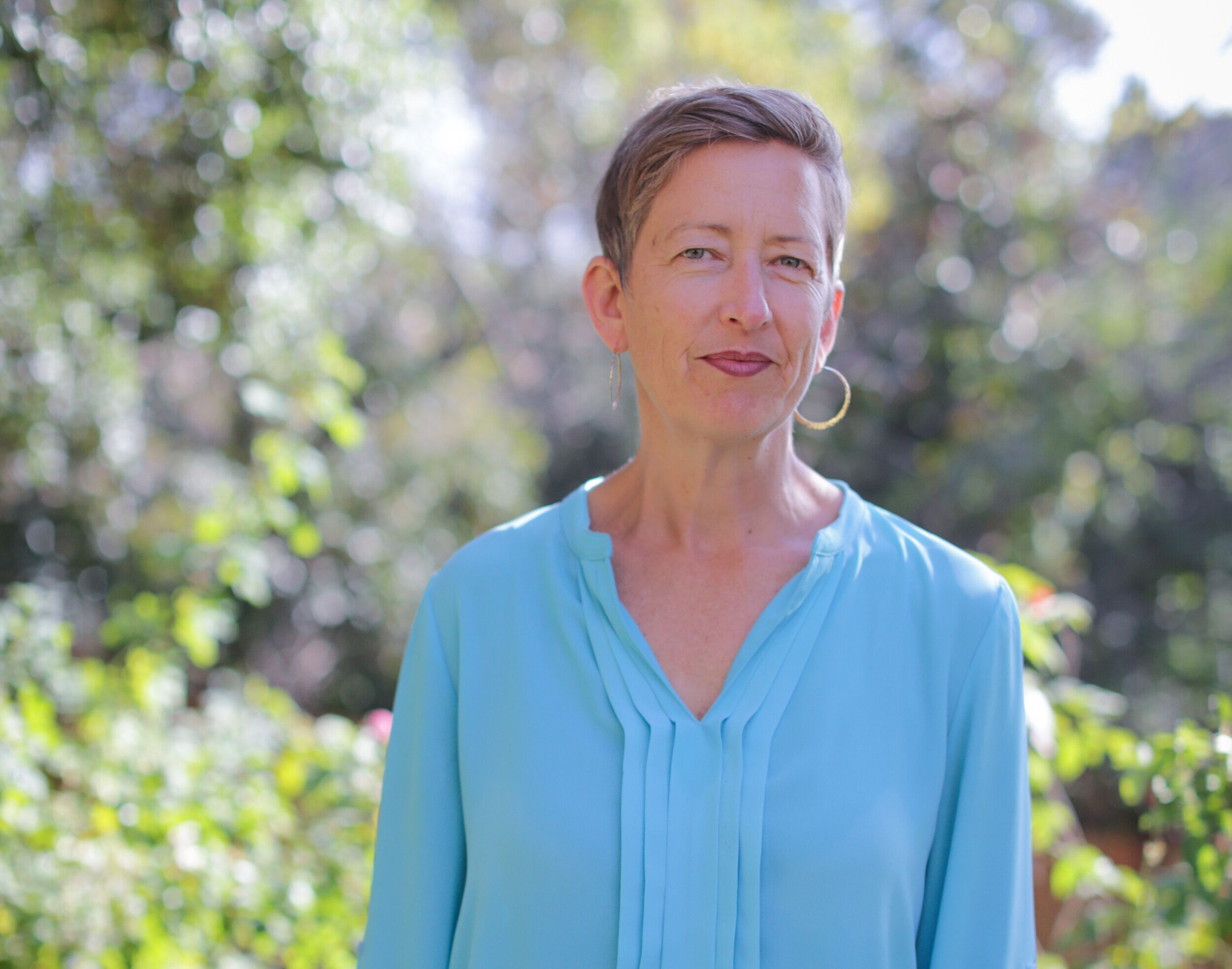
Staci Haines
[00:00:00] Charna Cassell: Welcome back to Late Open Podcast. This episode is a continuation of a theme we've been exploring all season, cancellation and how to navigate it. We first speak on this topic in episode 68, the process of repairing when you've been cancelled with Charlie Glickman, and then in episode 69, navigating call outs, cancellation, and accountability with Misha Beirich.
[00:00:23] Charna Cassell: In Charlie's episode, we discuss how he had hurt multiple people by minimizing their experience and how he discovered that his own trauma had caused him to be defensive and gaslight anyone who confronted him. He then puts systems in place to do better and prevent this behavior from happening again in the future.
[00:00:41] Charna Cassell: Misha's episode continues Charlie's story as we get a glimpse into the process of Misha's work as a sexual integrity coach. He's worked with Charlie to create an accountability pod, which we speak about. Generally, he coaches male leaders to build preventative accountability systems and with men who've caused sexual harm and want to repair their behavior.
[00:01:02] Charna Cassell: Additionally, Misha offers free resources online, which I encourage everyone to check out. My guest for this episode is Stacey Haynes, who is my personal coach and body worker for years, as well as my most foundational teacher. Stacey mentored me as a master somatic coach working with trauma. She was first my teacher at the Strozzi Institute, which trains people to be embodied leaders, as well as my trainer in Generation 5, an organization committed to ending child sexual abuse within five generations.
[00:01:37] Charna Cassell: I then trained with her for years in somatics and trauma, which focused on social justice and unwinding trauma. I think of Stacy as a resource around this topic in part because of her training and embodied leadership and her own experience with fallibility as an organizational leader, something she acknowledges in this episode.
[00:01:55] Charna Cassell: It's important to note that while she hasn't been my teacher or trainer for years, A power dynamic was established between us during the 10 years I trained with her and received therapy. I reflect after the interview in little ways I showed up differently than I would have if we hadn't had that established dynamic.
[00:02:12] Charna Cassell: I would have given her feedback about how I've seen her soften and become more human over time. These power dynamics exist long after we step out of our prescribed roles. Which also ties into the themes in this episode. I'm excited for you to hear it. So I'd like to welcome my friend and mentor, Stacey Haynes.
[00:02:31] Charna Cassell: Welcome.
[00:02:32]
[00:03:18] Charna Cassell: Stacey Haynes and I go way, way back to me. Yeah. It's kind of crazy to, you know, I met Stacey when I was 24. I had bought the survivor's guide to sex, which was, has since been renamed. Healing sex a book for survivors, , a sex positive somatic approach. And I found this book back east at my girlfriend's bookstore and took it like a little Bible moved to San Francisco. thought I was going to be teaching English as a foreign language, happened upon good vibrations. And I went in and I was asking for a directions to the grocery store.
[00:04:03] Charna Cassell: And instead, the woman behind the counter asked if I wanted an application. And I,
[00:04:09] Staci Haines: gosh.
[00:04:10] Charna Cassell: I froze,
[00:04:11] Staci Haines: amazing.
[00:04:12] Charna Cassell: I kind of froze and looked at her and then just said, okay.
[00:04:16] Staci Haines: Sure. Sure then.
[00:04:18] Charna Cassell: And so I took this application and, and then I happened to, in that store, see a flyer for your book release party. So I literally. Isn't that wild. And, and so I went to that book release party, and I
[00:04:33] Staci Haines: 1999 everybody, right?
[00:04:35] Charna Cassell: Yeah,
[00:04:36] Staci Haines: Yeah.
[00:04:37] Charna Cassell: so I was sitting at a table by myself I just moved maybe a couple weeks before, and. I remember opening the book and as I started, I was looking at it and I would, I started to dissociate and I had to put my head down on the table and some sweet woman approached me and was like, are you okay? And I was kind of like frozen, nonverbal.
[00:05:01] Charna Cassell: It was a lot! And, and then, and then I happened to simultaneously start going to an Al Anon meeting. I met Kira, who invited me to coffee and. I'm sitting in with her at coffee and she's talking to me about her therapist, Stacy, and I reached into my book and took out your book and I was like this Stacy. So, and then we spoke you had one space in your group and one space in your private practice. And so it felt very destined to me.
[00:05:38] Staci Haines: Yeah. Wow. That's amazing. And then all these years later, our paths keep weaving together.
[00:05:44] Charna Cassell: Yeah. Yeah. So you've been my, my, , my coach, my therapist, my, my trainer at the Strozzi Institute, my trainer, , and teacher at Generation 5 and somatics and trauma, which later became generative somatics. And, , I continue to feel indebted to this work that has completely transformed my life and become my path as well.
[00:06:08] Staci Haines: So happy. Thank you for reliving all of that together. That's really, I mean, that's. 25 years, huh? I
[00:06:15] Charna Cassell: Yeah. Yeah. Yeah. And, and so for you, how has your relationship to semantics shifted over the last 25 years? How has it evolved for you?
[00:06:25] Staci Haines: love that question. Yeah, I'm almost at 30 years and it's really wild. I Mean, it shifted in so many ways as I've shifted, but fundamentally I really hold somatics as a way to deeply cultivate ourselves a way to grow capacities that feel like very beautiful human capacities like holding complexity or dealing with contradictions or healing shame or just finding delight and pleasure like there's so many things we can Grow and cultivate our capacity for and then like you somatics really helped me dump just piles of trauma out of myself and out of my body.
[00:07:12] Staci Haines: So fundamentally, at this point, I hold it as a non denominational spiritual path.
[00:07:18] Charna Cassell: Yes.
[00:07:19] Staci Haines: And you know, there's this profound aliveness moving through us. And the more we can get out of the way, the more guidance there is there. And, you know, I think in my own whether that's spiritual or conditioned tendencies or personality, how we want to think about it.
[00:07:37] Staci Haines: I think on this path, I've shifted less and less from like, I still have a deep. Knowing with a lot of grounding about how healing it is for so many people like a wide wide range of people in numerous languages. Like I'm convinced about that. Once you understand how the so much transforms you can work with it instead of counter it.
[00:08:00] Charna Cassell: Yeah.
[00:08:01] Staci Haines: And, you know, I so want there to be no pain and suffering in the world, and that doesn't seem to be the direction we're currently going, which is very painful, but I think a certain, like, wanting everything to get fixed has fallen out of my relationship with somatics, even though my heart, my, my open and breaking heart might want that for the world.
[00:08:22] Staci Haines: It's just like, no, we get, we get a path to cultivate ourselves. How incredible,
[00:08:26] Charna Cassell: and that last piece is so important and I actually, you know, that, that to me is evolution because the, the notion that we can control things and that we have to fix them and we can squeeze them or grasp them is, is false. As much as me, we may default to that, like my system also defaults to action under stress versus paralysis.
[00:08:52] Charna Cassell: And,
[00:08:54] Staci Haines: it's it's thing. It's like we can cultivate ourselves. We can contribute to our families, communities and to changing the world. But it's that piece of like, influencing surrendering, making much more choices that are more informed by wisdom, which is also different than, Oh my God, fix it, fix it and make it stop, which are feelings I really also validate
[00:09:21] Charna Cassell: yeah, you know, we're having this conversation with the backdrop of what's happening in Gaza and I can feel the grief coming up into my throat and like right in my cheeks and I'm holding, I'm, I have a level of containment from all the years of meditation and somatics that I am not totally spilling open in this moment.
[00:09:45] Charna Cassell: I might in five minutes, but A big part of our conversation that I, that I want to have is about healing the collective, right? So there's been all of this healing of the, you know, I had to do a certain amount of individual healing before I could offer a grounded enough system to even sit with individuals, but then also how, how do you hold communities and then how do you hold global crisis and grief?
[00:10:12] Charna Cassell: And yeah, there's so much.
[00:10:16] Staci Haines: and intergenerational trauma.
[00:10:17] Charna Cassell: Oh yeah.
[00:10:18] Staci Haines: And I mean, it's funny, I don't know why I'm built like this, like, given the deep individualism of the U. S., given that I'm white, I think my class, you know, growing up working class has something to do with it, but my orientation is so much toward the collective. How does the collective get well?
[00:10:36] Staci Haines: How do we stop? All the unnecessary ways we hurt each other. And then of course, how do social systems change? So I just feel like I'm in this dance, this lifetime, of like, how do we do structural transformation? How do we do personal transformation? How do we do groups? And you know this, but I think for me, while I always keep a small one on one private practice, because it feels like it keeps me very, very grounded in the work, and somatic body work to me is irreplaceable. But I orient with the groups, like how do we come back together into collectives and heal collective bodies and then take that strength into wherever we're going. But you know, this moment with Israel, Palestine, Gaza, I, I think I am blown away with the level of collective reactivity and the lack of collective capacity to look at what is. Tens of thousands of people are being murdered, right? And to also separate out, we can critique a state and not be critiquing an entire people.
[00:11:49] Charna Cassell: yeah,
[00:11:50] Staci Haines: I mean, we critique the U. S. all the time. We should critique the U. S. It is a colonizer nation, and there's a lot of stuff to clean up from our own intergenerational trauma of what's happened on this land.
[00:12:01] Staci Haines: Colonization, chattel, slavery, patriarchy. But I'm kind of like, what collective capacity do we need to heal that just. intergenerational traumas and then come up with real collective solutions about what generates safety instead of reverting back to domination creates safety because it doesn't. It never creates the safety that even the people most invested in the think it's going to create
[00:12:30] Charna Cassell: right,
[00:12:31] Staci Haines: and it's no, it's, it's no solution, right?
[00:12:35] Charna Cassell: And it's, you know, and it happens on this individual level where parents who've grown up with a certain amount of violence, they're like, if I dominate you, if I, if I instill enough fear into you, then you'll behave and then perhaps things that I fear happening to you won't happen to you.
[00:12:52] Charna Cassell: Like that could be one strategy. And then it happens on this collective level. And. One of the things that I'd like to speak about on the, on an individual level relates to this, which is, you know, when, when someone, whether it's an individual or whether it's a government, um, or a whole system causing fear I mean, from their own trauma, from their own history of trauma, can't see themselves and is reactive.
[00:13:23] Charna Cassell: Right. So in the, in the case of, of genocide or war, there's, there's bombing. On the case of an individual, there's defense and a lack of willingness or ability to see their own shadow and their own behavior that's causing harm. And, and so, referring back to a podcast that I that I recorded with Charlie Glickman, who was somebody who worked at Good Vibrations with you and worked with me when he's a well known sex educator in the Bay Area.
[00:13:54] Charna Cassell: He went through this remarkable accountability process. So he was, in his words, cancelled I think it was, it may have been in 2020 or maybe even 2019, and he went through a, like, over a three year process of examining himself, and what he found through the work of somatics is that his own trauma response had him get Very defensive.
[00:14:21] Charna Cassell: And, and so once he started to unwind his own trauma through somatic work and he set, he set up a system to a pod and accountability pod. And there's a guy named Misha Burke, who is a part of that, who I also then interviewed. So, Charlie's episode was 68 and, and Misha's was 69. How perfect. And. And so what it's really opened for me is a, is a curiosity and I, I think that you could weigh in really well with this, given all your work around embodied leadership.
[00:14:54] Charna Cassell: It's like, so when, when someone has caused harm, whether it's an individual or a whole system, how does how does healing happen? And there's lots of questions inside of that larger question. aNd I, and I see how it unfolds with an individual and I've seen, I've witnessed how change occurs. And then even I feel a sense of powerlessness and heartbreak when I think about how do we come back from white supremacy when there are so many people that are defensive and in denial because there's so much shame underneath it.
[00:15:32] Staci Haines: I mean, there's
[00:15:34] Charna Cassell: I know
[00:15:35] Staci Haines: Ways to talk about this conversation. And first, I just wanna say my answer is, I don't know. actually think we just have to keep experimenting. I think that's what you're asking, I think is what so many of us are passionate to figure out. And I don't think we know because we're dealing with something very complex and I feel like I just wanna name this and then I'll go into the particulars more.
[00:15:57] Staci Haines: First we have like, social conditions and structures like we have an economy that's based on exploitation and extraction. We're all living inside of that. You know, sometimes I think some of our collective distress right now as we at a deep unconscious level feel what's happening to the planet. And I think we're just freaky freaked out.
[00:16:21] Staci Haines: Do you know what I mean, but there's structural change and there are people and forces that want to keep structures of power as they are.
[00:16:29] Charna Cassell: right? Mm-Hmm.
[00:16:30] Staci Haines: is just what is right. And that is not most everyone that is a concentrated elite, but we have to remember that's also going on. And then there's all these organizations.
[00:16:40] Staci Haines: And again, I don't know, Charlie situation. I just know mine and the people around me. But there's organizations that are trying to either do healing work or social change work that can't not embody the social conditions that we're contending with. There's no such thing as a perfect organization or like, right?
[00:16:58] Staci Haines: There's people who are better at building organizations and running them and people who are less good at it. I would put myself as like, I'm really good at somatics. I'm really good at creating stuff. My skill base is not running organizations. You know what I mean? So, you know, there's so many dynamics going on before we get to this place called like ouch or repeated ouches.
[00:17:23] Charna Cassell: Mm-Hmm.
[00:17:24] Staci Haines: And then how do we, in some ways, I don't even know , if this is true, but in some ways, those of us who care about healing and change, how do we be in learning relationship with each other, next to each other, including through the fuck ups.
[00:17:41] Charna Cassell: Yeah.
[00:17:41] Staci Haines: Including through the hurt, right? That's one level of it so that we can actually learn and keep transforming together.
[00:17:49] Staci Haines: I don't think it can happen without an embodied approach. Because that's where trauma lives. That's where privilege and oppression lives. That's where, how we've been shaped by our moment in time and history. We, all of that is living in us. No, but how do we keep transforming and be as life affirming as we can in our process of learning?
[00:18:12] Staci Haines: And to me, one of the heartbreaks about the level of polarization, whether it's within the left, whether it's within the country, whether it's growing fascism. But to me, one of the things that's so heartbreaking is it's the same dynamic of I'm going to make bad as a way to try to get something to stop.
[00:18:35] Charna Cassell: Yeah.
[00:18:36] Staci Haines: And I'm like, okay. You have, it's not working. And then we're doing it so intensely with and to each other. Like people who are basically on the same side. And that doesn't mean we all don't need to grow, change, and be better. I do, you do, I'm sure Charlie did. You know, but we learn so much better through love and connection.
[00:18:56] Staci Haines: We learn so much better through support. An individual and an organization are different things. What's the side of intervention?
[00:19:04] Charna Cassell: Well, and that piece of, you know, when you're, when you say we learn so much better from love and support. 'cause when I think about fear. And hate, and in that polarized state, it's run by fear, and there's contraction, and there's closing in the body, and from that closing, the way that I see it is it, like, pushes the button of old, unconscious, habitual belief systems from childhood and culture that then get activated and then have us react.
[00:19:34] Staci Haines: how we work.
[00:19:35] Charna Cassell: Yeah,
[00:19:36] Staci Haines: I mean, it's one of the things I love about somatics is going, how does this SOMA work? And then how can we work with it both with ourselves and with each other? And I've been pondering lately, it's like, okay, I have 30 years in, I have, I don't know, 25 years in, I'm doing this with folks who are doing social movement work.
[00:19:58] Staci Haines: What if the experiment worked and really learned and what if the experiment didn't work? And I mean, one of my dreams is to gather a crew of people together who've been doing it a long time and literally unpack that conversation and hand it back out into our moment because to me the dream of bringing trauma healing and transformation into Progressive spaces is such a beautiful dream.
[00:20:23] Staci Haines: But what I notice is how it's getting enacted is more It's almost being weaponized.
[00:20:30] Charna Cassell: Well, a lot of things are right. I mean, in terms of, like, well, I feel people will be like, Well, I feel like you're a bitch. It's like, No, no, Like, how could you do it? I mean, it's, it's how I feel, you know?
[00:20:43] Staci Haines: know. I know. Or just being like, you are traumatizing me. And it's like, you might feel, right, there is real violence, okay, right, but like the range of, you're traumatizing me, you're harming me, the range is so vast and then undistinguished. It's like, can we each tell the difference between what's getting evoked from our past or from the culture, right? Can we tell what level of transference and counter transference is going on with this person who holds some level of power or doesn't, right? Do you know what I mean? It's so complex. And I feel like we're taking really important distinctions that we're trying to learn at the collective level and then spewing.
[00:21:27] Staci Haines: And I'm like, okay, wait, where did the ground of kindness, curiosity. And being like, I'm scared and I have no idea what to do. Or I feel so much shame, I don't know where this is coming from. Like that ground. I feel like we lost it somewhere along the way.
[00:21:48] Charna Cassell: Well, and that's something that's, that's important. And I remember so When, when I was in a semantics and trauma training, this is like when you first started doing these trainings focused around how to unwind trauma and also focus around social justice. And there was a real divide between it was like social workers therapists on one side activists on the other and it was kind of like wait and I kind of saw that polarization and I'm like, how do I fit here and I'm a reluctant therapist in training and.
[00:22:22] Charna Cassell: And, and there was this real division between it's like, well, you can either focus on the I or the we, and I'm kind of like, well, what about both? And if you're not doing your individual work and haven't unwound what your own history is, you're not going to catch the transference as much, right? And when I say transference, in case people don't know what that is, it's, it's that I could be triggered I could, my nervous system could be activated by an interaction with somebody and feel the same feelings I felt by my by someone who abused me as a child and think that it's actively happening in that moment. And so that's where it's like that, the, that individual work is so important and essential to also heal the collective.
[00:23:06] Staci Haines: Absolutely. And then I keep thinking of it as a bridge. Like I think there's the I, there's the you, and there's the we.
[00:23:13] Charna Cassell: Mm hmm.
[00:23:14] Staci Haines: Can we dignify all of those components, right? Like if I look at some of my like really creative moments in leadership and some of my worst moments in leadership. It's like some of my worst moments in leadership came from exactly that contraction.
[00:23:32] Charna Cassell: Mm hmm.
[00:23:33] Staci Haines: I'm contracting. I'm overwhelmed. I just have to drive through this. I just have to get through right. But when you're leaving something, you're impacting other people with your own condition tendency.
[00:23:43] Charna Cassell: Yes.
[00:23:44] Staci Haines: But I keep going. How do we Dignify all three, dignify the self, dignify the other, the you, and dignify the we, and then stay in curiosity long enough to go, where's the right spot of intervention right now? And I also think a lot about this bridge, like how do people who spend, let's say more of their time in either individual healing or serving people in their individual healing, How do we bridge those folks over into collective action? Because I also get why organizers and activists get super fucking cranky about how individualistic therapy can be.
[00:24:22] Staci Haines: And it's just like, that is not building us a new economic system, which is causing radical amounts of violence, right? It's like trying to go upstream on prevention. And You know, how does that collective action keep coming to, like, from where in myself am I participating in collective action? How deeply connected are we as we're creating visions and strategies for the future?
[00:24:48] Staci Haines: How good are we at actually caring for each other deeply in this morass of basically trying experiments and we don't know what's going to work? Right? Yeah.
[00:24:59] Charna Cassell: well, during my training at this at the Strozzi Institute, so much of what became possible for people was because we were in community, and we had community support, and we had people holding us accountable to the things that we said we wanted to execute on, or, you know, fulfill on
[00:25:17] Charna Cassell: and when I'm working with people individually, I'm always holding , the collective and thinking about , who are the systems, the smaller systems they have in their families, and what are the bigger systems they need to connect to in order to not feel isolated to feel more empowered in order to make the difference that they want to make and, in isolation, I don't believe healing is possible I was in a group with that you led, and it was my first experience of not feeling alone, in terms of, my experience is.
[00:25:46] Charna Cassell: Around sexual abuse, which I didn't have language for and didn't understand how I felt in my body and how unsafe I felt in the world. It wasn't until I was in a group of people talking about their experience
[00:25:58] Staci Haines: Exactly.
[00:25:58] Charna Cassell: that I felt gotten and seen and understood. And I think that's so important when it comes to social justice.
[00:26:07] Charna Cassell: And I think The piece that you were mentioning earlier, which is that we're all experiencing, whether it's on a conscious or unconscious level, what's happening with our planet and like, an anxiety and a powerlessness and a, , a level of defeat at times around what can be done.
[00:26:32] Staci Haines: And then, you know, add what's happening in Gaza right now. Add what are we on year three. I mean, there's war, you know, no, I don't mean, you know, we're 60 days into Gaza, but we're three years into, Russia and
[00:26:47] Charna Cassell: in Ukraine.
[00:26:48] Staci Haines: Ukraine. Thank you. But yeah, and this is the other piece you know, we're deeply social animals. That's what we're built for. Like to be an I in the we. You know, and isolation, loneliness, all of that is just so not good for us.
[00:27:02] Staci Haines: And then it's so hard to find community amidst the polarization and chaos. But I wanted to say too, you know, part of the I go in and out of sometimes I feel very hopeful about like we're in the we're in the massive collective initiation. Cultures have rituals of death and rebirth and I'm like, okay, maybe at the biggest level we're in this profound collective ritual of death and rebirth so that we can actually come back into a harmonized relationship with the planet or else we'll kill ourselves off a harmonized relationship with the planet and a more generative harmonized relationship with each other.
[00:27:40] Staci Haines: Like, can we evolve collectively? And obviously our economies and governance systems have to be a part of that.
[00:27:48] Charna Cassell: Yeah. I feel like, you know, a lot of the times I'll be holding what's happening in the collective, whether it's a political thing or whether it's, you know, some new piece of devastating news around police brutality or whatever is going on in the world and someone in my, in my private practice will be talking about it.
[00:28:07] Charna Cassell: Yeah. Yeah. a personal experience of powerlessness, right? And then I just kind of gently thread it to recognizing that, you know, you're feeling your own experience, but we're also feeling each other and we feel the, the collective anxiety and fear, right?
[00:28:26] Staci Haines: So this is, so interesting. Obviously, we want to come into social change work because it's groups of people that create social change, not just individuals. But I also think it's empowering. It's like, oh, I'm with other people. And I'm going to do this thing together. That is for this life affirming future.
[00:28:45] Staci Haines: And, you know, in some ways, even from the Gen 5 days, we would talk about, like, how are healing and action connected, or healing and activism. And I think for me, I've stayed in this lineage of somatic so long, because there's different lineages. But this lineage always talked about, it's not just internal, it's internal and external. What future do you want to build and create? What future do we want to build and create? Who do I need to be? To be a part of building that future and to me, that's so empowering. It's so like even building that muscle of being able to vision. And you know, when I look at today, Charna, I mean, I'm 56 and I'm like, isn't that wild?
[00:29:31] Charna Cassell: I know. It's so surreal.
[00:29:33] Staci Haines: We used to be little babies, and now we're not anymore but I kind of look, I'm like, okay, let's say I live 20 more years, maybe I'll live 30 more years, but I'm clear that a lot of the certain levels, especially of climate chaos will have to happen after I'm gone, you know, it's really, really not good when we look 100 years out, right? And I just go, okay, what is now? Hours to do mine to do in this period, given the world we can keep longing for. And in this lineage of somatics, that question is just such a central question. I'm so thankful for it because I think letting ourselves long still letting ourselves find like the small joys and the small beauties of our connection, you know, it feels a really important time to feed in love, joy, care, longing. Because we just don't want to get totally fried with the level of distress,
[00:30:34] Charna Cassell: I, yeah, I, you know, I call them, I call, I, I really like to bring micro practices. Into my client's lives like celebrating because we can feel so powerless when we zoom out too big and we look at, you know, it's like this is this is ultimately what I want. It's like, what are the small things that you can celebrate each day?
[00:30:55] Charna Cassell: anD I want to get more into those practices. But before we get too far away from generation five, something that was really important that I took away from that experience that I feel like is. Forever relevant. One of the ways that we would talk about. So first, sorry, let me rewind generation five was committed to ending child sexual abuse within five generations, and we did these community response projects and and we were looking at.
[00:31:27] Charna Cassell: How do you include, how do you give resources to bystanders, how do you give resources to offenders, rather than the focus only being on how do you heal survivors, right? And so one of the things that was important, because I remember during that training, I'd be in different communities, I'd be at a wedding, be talking to people about what I'm up to, and I would Explain.
[00:31:51] Charna Cassell: Well, you know, one of the things that we're holding is the value of not putting people who are seen as pedophiles or sex offenders on an island to go and be isolated and alienated from the rest of the world. How do you actually Give people tools to respond and reintegrate them into society and give them resources to heal.
[00:32:15] Charna Cassell: Right. So conversations around restorative and transformative justice. And that was such an intense thing. people would it was I had some fascinating conversations during that time in my life, and I had people at weddings the priest, the guests, like, everyone was coming out to me as, as being a survivor, because of doing this work right. So it opened so much. It opened, it gave permission to be more open. And I continue to sit with that question. And that's where it came up with Charlie and it comes up with, it's like, okay, so when there's been harm, how do you reintegrate people, especially in the climate of cancel culture, which is so much about public shaming versus the hope that people can actually heal and come back together.
[00:33:10] Staci Haines: Totally. It's so much to me. And you know, I always want to be careful. It's like the right is using cancel culture against the progressive left. And so we always want to be careful if you see even some of the Republicans on their, you know, presidential, they'll just be like, those Democrats on the left, all they do is cancel each other and they're socialist.
[00:33:31] Staci Haines: And, you know, it's being used as a weapon. So we always want to be careful and keep giving them fodder. But to me, it is this piece about it. I feel hurt or I feel confused, or we feel hurt or we feel confused, let me build an enemy. And like that is the place where it's like, Oh, we got to do something different with each other.
[00:33:53] Staci Haines: Right. And then where are the places I would say most of us agree with transformation, or agree with even transformative justice. I mean, I think child sexual abuse is one of the most profound applications of transformative justice because you're like, holy, really? Someone who sexually abuse a kid. But then, because there's so many survivors, it's people's family members, it's people's coaches.
[00:34:18] Staci Haines: Do you know what I mean? There's relationship and we just pretend there isn't. But exactly, it's like if someone hurt someone, how do we hold the space for transformation, for growth in the context of care and connection? And we know this from all the studies around even. People who sexually abuse children in isolation, recidivism increases.
[00:34:41] Charna Cassell: Right, you take them, you just move them to another parish, and it's going to continue,
[00:34:47] Staci Haines: Right in connection is how we transform and heal. And so, yes, we just have to get through the you're bad and now you're excommunicated.
[00:34:56] Charna Cassell: right,
[00:34:57] Charna Cassell: and if bystanders put their head in the sand because they can't tolerate the notion that someone they love could do a bad thing, or a devastating thing, then that person doesn't have it. Right. Right. A lifeline to then create any change for themselves because it's just like shame begets shame and shadow, right?
[00:35:16] Charna Cassell: It's like, let's just keep this part hidden. And we all know what happens when you don't address something. It kind of like ekes out sideways.
[00:35:25] Staci Haines: Exactly. I also think part of the dynamic that's been happening around how many, let's say people have been. I don't know a better word than excommunicated because exile is too big, but excommunicated inside of different progressive left pockets is, I think the bystanders are terrified it's going to happen to them.
[00:35:46] Charna Cassell: Right,
[00:35:47] Staci Haines: And I just am like, I totally get it. Sometimes when I watch people not speak up, right. I'm like, right. They're also terrified that they're next.
[00:35:56] Charna Cassell: Well, it's scapegoat, right? It's the very typical thing. It's like, I'm going to scapegoat that group over there because I'm afraid of being persecuted here.
[00:36:03] Staci Haines: And then the question comes back to what collective capacity do we need to actually move beyond that as our collective survival strategy. And I really look at that and I'm like, okay, we need deep capacity to connect within ourselves, right? So internal family systems has a narrative for that. Somatics would call it regenerating safety from the inside out.
[00:36:28] Staci Haines: Self connection, being able to feel ourselves deeply and be self responsive, right? All of that is things we can heal our way into. And then also being brave. Like, what are the conversations where we're like, no, no, no, let's not take that path. That is going to actually hurt all of us. Let's try something less polarizing, you know,
[00:36:49] Charna Cassell: yeah,
[00:36:49] Staci Haines: lots of us have to be doing this, trying this on, growing our way into this now.
[00:36:55] Charna Cassell: yeah, yeah,
[00:36:58] Charna Cassell: You mentioned self responsiveness. And in my experience, being self responsive in, in small ways, meaning not crossing my own boundaries, being able to identify what feels good, what doesn't feel good, And following through with those things, not just noting them intellectually, but actually taking action to support those things, then developed self compassion, right?
[00:37:26] Charna Cassell: So versus like self love is like, go love yourself, go take a bath, go give yourself a pedicure, you know? It was literally these tiny actions of recognizing, no, that doesn't feel right. And very early in our. conversation, you named somatics as a, as a spiritual practice, and that's absolutely what occurred for me. Is that it's impossible to get so deeply connected internally and, and then it extends out because you've, you feel the fabric that makes your physical being up is, is not separate from nature and not separate from other people. And you just, you feel that level of connection, which is inherently spiritual,
[00:38:14] Staci Haines: Yeah.
[00:38:14] Charna Cassell: right?
[00:38:15] Staci Haines: To me, we're these living, dynamic, changing organisms that will die. That's just what it is. That's how this thing works, right? And then, like, how amazing to be in deeper and deeper relationship with that. You know, and I think about, like, I think about those early years of healing for me when I'm like, Whoa, Whoa, Whoa, there's a lot held in my legs that I didn't even know was held there.
[00:38:42] Staci Haines: You know, when chunks fall out of your body and you're like, what is happening? Right. But then to be like, you know, grounded as a concept, but when you can rest into the lower part of your body and rest into the weight of gravity, it's a totally different thing. When you can, like I remember, I don't know if you're at this course, but we needed some we're doing really deep, probably shame healing. And it was like, we collectively needed a break and the invitation was like, okay, let's all go find something that's beautiful to us. It might be the grass. It might be the dirt. It might be a tree. Be with it and let that other thing touch you.
[00:39:22] Charna Cassell: Yeah,
[00:39:23] Staci Haines: Oh, right. Like the whole thing about forest bathing, I'm like, please, that is the oldest thing ever.
[00:39:29] Staci Haines: But to me, somatically, that's what I do. Let me walk in the woods and let the forest reharmonize me.
[00:39:36] Staci Haines: Of course, reorganize me because I am off, you know, and there's lots of different ways to do that. But , the literal interdependence, of course, of every breath. But to me, once you drop deeper and deeper into the changing aliveness of being somatized, the The separation gets much thinner.
[00:39:58] Staci Haines: We still have our own accountability and our own path, absolutely. But, I don't know. There's a broader harmonizing, a broader healing, a broader, excuse me, a broader set of information available. Like, it stops surprising me these days when I will think of someone, will reach out, or it turns out they'll reach out.
[00:40:25] Staci Haines: We have not made contact for three years. And like, boom, we do it at the same time.
[00:40:30] Charna Cassell: Yeah, of
[00:40:31] Staci Haines: We don't know how to articulate what that is in Western science, but it's so no duh. Once you're, you know, more, more in and reconnected.
[00:40:41] Charna Cassell: Right. I had a, a, a very out there experience. I was in what I would call a shamanic energy bodywork training for like a two, for two and a half years. And we were, we were doing an exercise and I, I ended up having to be partners with someone that I had an aversion to for no good reason. I just, I had a judgment.
[00:41:03] Charna Cassell: It was like this big tall man. And I didn't want to partner with him, and I thought he's not aware of his, how big he is. He takes up a lot of space, whatever my projection was, right? So this was my initial like, I don't want to partner. so the, the exercise was to close our eyes and to work on the fascia.
[00:41:22] Charna Cassell: Like to work on their fascia,
[00:41:24] Staci Haines: Huh.
[00:41:25] Charna Cassell: just around, you know, around them, like to just to energetically just to feel there was no actual physically touching of their body. And so I started doing this with him and he could feel what I was doing. And at the time I was like, I was marveling over it. And then I could actually see.
[00:41:47] Charna Cassell: And, and so the phrase, you know, we're all connected. It used to be kind of like a, a woo woo hippie thing, but I had the visual and physical experience, I could see like almost like golden cobwebs in the room. Like I could feel the fascia in the room and his body was moving based on what my hands were doing and I wasn't touching him and it created this level of love and connection with this big tall man that I had, you know, it instantly my judgments dissolved.
[00:42:21] Staci Haines: So interesting,
[00:42:22] Charna Cassell: Yeah, yeah, it's
[00:42:24] Staci Haines: I mean, here are
[00:42:25] Charna Cassell: Mm hmm.
[00:42:26] Staci Haines: things. This is what's so interesting to me about boundaries. I want to unpack boundaries for a minute. Because there's a way as we can notice The impulses from our bodies, the impulses from our minds, the automatic interpretations. We, on the one hand, want to use those as information.
[00:42:46] Staci Haines: It's like, oh, maybe I do want to have a boundary and create more separation here. But on the other hand, so many at this point are habitual and inherited, right? And so it's like, well, is this, like, be a lifelong student of boundaries. Sometimes I'm great at them and sometimes I just suck at them completely, but I want to be a lifelong student.
[00:43:10] Staci Haines: And the places where it could have been just as valid for you to be like, I don't want to work with this person. There's something that I'm picking up. This is not responsive to me. Do you know what I mean? That would have also been valid and you would have missed having this experience. Like, were you harmed in that experience?
[00:43:28] Staci Haines: No. Was there spiritual learning in that experience? There was. So to me, this is the very interesting nuanced thing about like, absolutely boundaries on like, everyone gets healthy food and water. Everyone should have housing. None of us should experience violence. Like those boundaries are just, Right. But this more subtle about how we're being with each other, what we think we know about each other.
[00:43:55] Staci Haines: But I'm just like, can I to be deeply curious, available, and self responsive?
[00:44:05] Charna Cassell: Well, and at Strozzi, it really, really stretched my growing edge. I feel like I, my, I grew up there and, you know, I really went through an adolescence there and my community before, or simultaneously while being at Strozzi, I was with, you know, I identified as queer. I was working with mostly Women of color and here I was in this community of executives
[00:44:32] Staci Haines: With a lot of white suits.
[00:44:33] Charna Cassell: 40 percent or, you know, half of the people were men and I, , was so uncomfortable and I remember this really big tall man who smiled at me and I projected my stepfather and that, you know, I was like, Oh, what do you want for me?
[00:44:50] Charna Cassell: And when he shared his personal story about being bullied as a kid and cried, and this like 6'4 man, I saw men In, four dimension, I saw I could suddenly have compassion for men in an entirely different way. So it was essential for me to, to start to unravel my beliefs and my projections is being in community as well as being uncomfortable.
[00:45:15] Charna Cassell: Cause I think the concept of always being comfortable is problematic.
[00:45:20] Staci Haines: It just is not real. It doesn't exist. You know? And I think it also speaks a lot to privilege. No. I mean, it's not how we grow.
[00:45:29] Charna Cassell: You know, and when I'm doing embodied exercises with my clients, I do suggest, it's like, we can stop at any time, but discomfort, like being comfortable is not the objective. It's like, can you tolerate, can you be with a little more of that, you know, go a centimeter beyond what you're comfortable with.
[00:45:53] Charna Cassell: Right. Just slowly stretching.
[00:45:55] Staci Haines: And including for pleasure, you know, what I think about it's like with, I mean, first of all, we're very, very wired to track for fear and danger. That's just our evolutionary wiring. And, you know, neuroscience has a lot to say about it these days. Right. But like, look for what's wrong, look for what's out, which is great that's good.
[00:46:14] Staci Haines: We don't want to get rid of that, but we do want to also grow our tolerance for love, grow our tolerance to have. filled or ecstatic experiences. And again, I don't know if this is right at all right now, but I'm like, it feels like we really need to practice that stuff right now. Help do some level of counterbalance with the level of collective stress and then what level of discomfort, all these things come in, but can we hang with the questions long enough? I had this beautiful conversation the other day with someone very close to both of us. And the question I posed into the space was like, why, why be here? It's going to be a rough road on this planet.
[00:47:00] Staci Haines: Like why be here? And their response, like we both just really sat with it and their response was well, who knows what the next unfolding or adventure is going to be on my spiritual path? Who knows what's next? And I was laughing. I'm like, that is very much an adventurous response.
[00:47:19] Staci Haines: And I really sat with it too. I was like, I can feel in I think this has a lot to do with the trauma I experienced too, but I can feel in me the, how do I want to say this? Cause it feels very actually vulnerable to say this on a podcast, but you know, I've always felt very spiritually connected. And in some ways I look forward to going home, you know, I look forward to going home. So there's moments when I'm like, how soon is home this is hard here.
[00:47:47] Staci Haines: Right.
[00:47:48] Charna Cassell: Yeah.
[00:47:50] Staci Haines: But I sat kind of through that part of the fog. And then really rested in, and the answer that really came for me is really life is so sacred. Life is sacred. Like how amazing that we get this one road through. Who knows what happens next. But it's sacred, the water's sacred, the soils are sacred, you're sacred, I'm sacred. And I live more and more aligned with that. You know, but I feel like, again, transformation, somatics, living deeply inside of the aliveness lets us touch those things in a very intimate way.
[00:48:33] Charna Cassell: Yeah. Yeah. Well, and it's with in particular sexual trauma, there's a hardening, you know, there's, I, I know for myself, like someone could look at my body and think that I looked fluid and then be, feel like they were touching rock. Cause there was so much fascial hardening that I'm still unwinding, you know?
[00:48:57] Charna Cassell: And so as you were describing you know, this, this, Piece of connection to all these things. I felt so soft and watery, you know, and and so I think of it and in very vague terms as like, okay, you're given a certain experience or you have a certain experience and you've learned you've gained tools to, to soften to break up the soil to to, to aerate and, and then you're also, you Teaching other people how to do the same thing, right?
[00:49:31] Charna Cassell: And that, how can we, how can we keep how can we keep softening and reopening to remember that we are all connected and we're not these polarized, you know, isolated beings?
[00:49:48] Staci Haines: And then, you know, again, in the methodology we share, it's like there's all that somatic opening, allowing the fluidity, breaking things up as an ongoing project. It's not like it's done.
[00:49:58] Charna Cassell: No, and I think,
[00:49:59] Staci Haines: Oh, okay, the next piece. Here we go, because the world keeps happening too. And then how do we, like, I think a question I'm in with myself and I would pose is like, what is it that we want to cultivate?
[00:50:13] Staci Haines: Okay. What is it that I want to cultivate? And then our practices can be aligned with that. And I love your micro practices. I call them the small practices. You know, it's like, what are my daily practices of the small joys?
[00:50:29] Charna Cassell: Mm hmm. Yeah.
[00:50:31] Staci Haines: One of my daily practices of the small resilience or even one of my daily practices of the small boundary.
[00:50:36] Staci Haines: Yeah,
[00:50:40] Charna Cassell: work is such a big thing, like, you know, I would talk about it as microdosing. It's like, for people who can't tolerate pleasure, I used to be one of those people. It was like, how do you microdose pleasure, right? How do you microdose boundaries? If it feels too scary to start saying no with this particular person, how do you microdose it?
[00:50:58] Charna Cassell: How do you say, no, I don't want mayonnaise with my fries or whatever, you know? But I think that this is a really important question because people will often be like, well, what do you know, clients come in or people in the world, they want to be happy. This notion of happiness, as if anything like that is static.
[00:51:17] Charna Cassell: And as you said, you know, it's like you can unwind a tremendous amount of trauma and feel a level of freedom in your body. And then the next spiral happens and you're thrown right back with, with, with newer, with new resources to address, but you have the same old feelings that can come up again, or they get activated from the outside, not just from your personal life, right?
[00:51:41] Charna Cassell: Those same feelings of powerlessness. And, and so the question of how to build resilience and how to find pleasure and joy in the face of The world, what the world is always going to be doing, right? What our systems do, not just the personal deaths and losses, right? How do you cultivate joy, pleasure, and ease in the face of that?
[00:52:12] Staci Haines: And know that that's going to be right next to. Feeling impacted by the real thing.
[00:52:18] Charna Cassell: Right.
[00:52:19] Staci Haines: had a really, we have shared, I had COVID recently. And so I've been in this healing process. And one night I had this incredible nourishing sleep. I was like, Oh, I woke up and I could just feel this whole next level of healing happened.
[00:52:36] Staci Haines: And then the next night I had terrible sleep and I literally woke up. Out loud saying, stop, stop. And I was having this whole dream about Gaza. And I was like, both are what's happening. And, you know, as you know, so many spiritual teachers over time have been like, how do you be deeply present?
[00:52:58] Staci Haines: And I think those of us who are somaticists are saying, how do we be deeply present and feeling? Just not observing, but feeling amidst all of it. And then being, trying to be skillful human beings.
[00:53:14] Charna Cassell: It's, and it's a balance. See, for me, it's a balancing act. It's like,
[00:53:21] Charna Cassell: even though I'm, I would say I'm a master feeler, like an overfeeler. I'm also still masterful at dissociation, right? And that, that, that's a lot. All those, yeah, all those years of, of trauma, I inhabit, you know, and I inhabited that really well and, so, when things are happening in the world, there can be a skill level that I, I have around containing personal distress, things that are going on in my life, like the historical stuff I processed.
[00:53:51] Charna Cassell: And I find it pretty unbearable feeling the collect, I feel the collective very intensely,
[00:53:59] Staci Haines: I know, honey. It's, it's rough.
[00:54:02] Charna Cassell: It's so, because there's a, you know, it's like an opening. It's like, okay, I developed a level of physical containment. So I don't cry at everything. You know, I remember, I remember sharing that in a training with Richard and you and a bodywork training, and I was like, so I've been meditating and I notice I don't cry as much, you know, I could like feel it's like I have that little M and M shell
[00:54:25] Charna Cassell: But then. You know, you keep meditating and then you feel the collective heart and then maybe you're able to hold that even but there's a way of, I envy people who are more numb that can, can almost face things on a daily basis in a different way. Because I instantly it's so instant that I feel the collective,
[00:54:52] Staci Haines: Yeah.
[00:54:52] Charna Cassell: and it's, there's so much anguish.
[00:54:55] Staci Haines: I know. I know. Oh, keep pouring love into the anguish. I, I feel you. And it's so, it's why the both, both are so important because that can be overwhelming. It also just has me feel very honoring at this stage of different people have different lead capacities.
[00:55:16] Charna Cassell: Mm hmm.
[00:55:17] Staci Haines: And how do we be grateful for them and switch off sometimes switch off, we need to switch off sometimes, but like, honor each other's lead capacities and then give each other a break from them.
[00:55:31] Staci Haines: You know, like, I really appreciate the people who are like, no, on the street. is one of their lead capacities and they're out there and like, thank you. And I will come join sometimes and I will not join sometimes based on you know, many things. buT one other piece I wanted to say here is I've been thinking a lot about collective healing spaces and collective action spaces and that we need both, but I think they're different spaces. And I think I was one of the ones going, hey, can we just mush them all together? Let's try to mush them all together. And then realizing, I think that is, puts too much complexity into one place. Which I think I'm a little bit of the queen of. I'm like, I don't know, let's dump a lot of complexity in and see what happens.
[00:56:20] Charna Cassell: I
[00:56:20] Staci Haines: But I'm really at this place now where I'm like, collective healing spaces, healing circles, held by people who are really good at that. That really let people have that community space of healing and take that into their collective action spaces. And I really think. embodied leadership. There's so many important skills.
[00:56:41] Staci Haines: But what I think can get too complex in the collective action spaces is when we then start inviting in levels of trauma to be healed. But when we're trying to be in action together and moving toward a vision together. And then have different organizational roles. I think it gets too complicated. I actually think it's too complicated.
[00:57:04] Staci Haines: I'm like, let's have collective healing spaces. Let's practice embodied leadership inside of collective action spaces. But when enough trauma comes up, hop back over to the collective healing space. Cause it is just too much simultaneously. Yep,
[00:57:19] Charna Cassell: I I love that you're talking about this because I have a deep appreciation for complexity. I love the intersection of all the things and, and at the same time, With age what I've come to appreciate is how different like we can line up a bunch of humans and there's a way that, you know, we can say like we're all humans and different survival strategies, people really don't understand how, when we have different kinds of nervous systems.
[00:57:50] Charna Cassell: What we need is so different and then there's so much triggering. It's like what one person needs versus what another person needs. And then trying to get them all to act when one person's paralyzed by their trauma response and another person is like in a fight response and You know, I've worked with couples and when one person has a flight response, one person has a fight response, and that's complicated enough to handle.
[00:58:16] Charna Cassell: Like, how do you get them to have compassion for one another, let alone a whole group of people? Yeah.
[00:58:30] Staci Haines: We can all build a deeper understanding of strategy. We can all be like, we're committed to this together and we have other places to go to keep doing a deeper quality of healing work to show up in our collective action work as best as we can. And I think, and I understand this, but I think there is. It's an expectation that if this is a collective action space where we have a shared vision, then everything about our processes should be able to help be held with each other. And I don't think they can be, it's really the assessment I've come to at this point is like, no, we need particular spaces for that deep trauma healing work and particular spaces to like grow our strength as leaders in social change.
[00:59:21] Staci Haines: buT mushing it all together, it's. It's like what you said, something so nuanced is needed when we're healing. And it is so easy to default into triggering each other, blaming each other, or like your survival strategy is wrong because it's not meeting my survival strategy's needs, and therefore your politics are wrong because they're not meeting my survival strategy's needs, then we're just down a path that is Not good.
[00:59:52] Charna Cassell: Right. Right. It's where the, that the cycle of harm continues and the cycle of polarization continues. Yeah. Yeah.
[01:00:03] Staci Haines: Oh, our survival strategies and each other. Oh,
[01:00:07] Charna Cassell: I know. And
[01:00:08] Staci Haines: good job. And it's a lot.
[01:00:11] Charna Cassell: yeah. So much compassion for how different we are, you know?
[01:00:16] Staci Haines: And it's funny how we find our way to each other. Like I think about like, for me, if I really get triggered, I need a kind of contact. Contact is what's what meets that survival strategies.
[01:00:30] Charna Cassell: hmm. Mm hmm.
[01:00:32] Staci Haines: I just endlessly find myself to people who what they need is space. Like, oh, we're just so great. Or the folks who under a lot of pressure go into that position against that feels terrifying for my system.
[01:00:46] Staci Haines: Right. Not like I haven't learned how to play with that because there's plenty of that in the social justice world. But it is, you know, if we could pause and go, Oh, what, what is, what do each of our survival strategies really need. Let's get that need Matt, then let's continue this conversation.
[01:01:05] Charna Cassell: yeah, it's it's highly entertaining. It's like whether it's people that you're, you know, in an organization with or people you're dating, being drawn to people who have opposite survival strategies, it'd be such great shorthand if we all knew what our things were and we led with that, right? We're like,
[01:01:21] Staci Haines: totally, totally, totally, totally. And, of course, what we need to do is go, where are all the places I can meet that myself,
[01:01:29] Charna Cassell: yes,
[01:01:30] Staci Haines: resource all of that, and then be as, you know, as resourced as possible in our, in our, in our engagements. I was, I was thinking a lot too, Charna, about, you know, obviously it's been a very important next level of reckoning with white supremacy within the U.
[01:01:48] Staci Haines: S. Right. And this amazing next level of civil rights movement called Black Lives Matter, right? But I've been thinking a lot about what is the, where did ideas about white supremacy get coupled with that's how I'm going to be safe and that's how I'm going to be belong. It's like lies get woven into Safety strategies, belonging strategies, like, right?
[01:02:17] Staci Haines: And I've been like, Oh, right. It's like when groups of white people, because white people are very different, and classed, and gendered very differently, but when white folks go, Oh no, the only way to be safe is to be in a dominant position. Or the only way to be belonged is some idea of race. I'm like, man, that is all the stuff we have to pull out, but that's how deep it is.
[01:02:41] Charna Cassell: Well, and the thing that where I, because I see how change happens on an individual level, right? People are coming, they're choosing to engage and change, right?
[01:02:54] Staci Haines: Yeah, like I want to know.
[01:02:55] Charna Cassell: exactly, exactly. They see that something else is at stake. I could lose my relationship, I could lose my job, I could be a kind of parent like my parent was, or you know, whatever it is.
[01:03:05] Charna Cassell: But when you're working You want change to occur with people who don't see the problem in in, you know, psychotherapy. There's the concept of ego sin tonic or ego dis tonic, right? Sin tonic is like, there's a problem with washing your hands 17 times before you, you know, leave the house, right, but ego dis tonic is like, oh, I actually, being habitually late for things because I wash my hands 17 times before I leave, leave the house is, is perhaps problematic, right?
[01:03:34] Charna Cassell: And so when you look at, at something like white supremacy and people's attachment. and their fear of change, that's where I go, oy, you know, if the people are not willing or interested in creating change, how, how does that slowly break apart? How does that, yeah, and I know those are big questions, but
[01:03:56] Staci Haines: No, they're, they're great questions. I mean, they're the questions I think we should all be in, you know, partly, you know, and then those of us who are committed to racial justice, finding the places in ourselves where it's like, Oh, God, here's where that lie about safety or belonging lives in me. Let me unpack that the next level right back into like, really, really the week.
[01:04:17] Staci Haines: But I think and I mean, again, there is the structural level of like, how do we support lots and lots of people having really good jobs. Right. And there's the spin from the elites who might go, Oh, go blame those people over there. They're the ones taking your jobs. Like when I look at how much Trump just put in lies to fuel like a deep organized resurgence of white supremacy, right.
[01:04:47] Staci Haines: All the way to the Capitol. It was just a bunch of lies and putting the blame in a direction that wasn't toward him and toward other people making billions of dollars. Right.
[01:04:55] Staci Haines: I think like. Organizing people, you try to get to know their cares and concerns on their own terms is the first thing you do.
[01:05:03] Staci Haines: It's like, who are you? Let me be curious about you. What's happening for you? What's, you know what I mean? It's like, what are your needs on your own terms? I think a lot too about like, remember National Coming Out Day?
[01:05:15] Staci Haines: Forever ago when that launched, and it was like coming up to the people around you, you know, it was, it's really a strategy of building relationship,
[01:05:23] Staci Haines: but people know that they're actually living around gay people, right?
[01:05:27] Staci Haines: So I, I, I mean, this, this orientation, or this question of how do people who don't want to change, change? Some of them don't, right? But then I also wonder how far connection and curiosity can go once we come into relationship with each other, you know?
[01:05:45] Charna Cassell: Mm hmm. Mm hmm. But what I do want to do is come back to practices, right? Practices that build resilience and that build pleasure and joy and open our systems.
[01:06:00] Charna Cassell: Because from that place, I mean, curiosity creates openness, but also openness allows for curiosity right? When we're in that softer place, once somebody has empathized with us and asked us and gotten curious, like, well, what do you need? What are, you know, what are you so afraid of you're afraid of not having a job you're afraid of that of your livelihood being taken away and not being able to survive.
[01:06:25] Charna Cassell: So, what can be some other solutions, and how to bridge those gaps doesn't feel like the right word. I'm thinking of somebody I interviewed for my podcast who is so lovely. His name is Mr. Domestic and he's an asexual gay man. And he has a huge, he's got like over a million followers.
[01:06:47] Charna Cassell: I mean, this was over a couple of years ago, so probably millions of followers. But what I love is that he creates this connection between the queer world and conservative Christian right women. He's a, he's a
[01:07:00] Staci Haines: love this.
[01:07:03] Charna Cassell: I know, and he quilts to manage his anxiety. That's one of his strategies. He's like, I came up with that zigzag pattern because I was having a panic attack. Like he's. And so people's endlessly creative capacity, you know, and their, their, their self discovery in the process of just trying to survive, but then also the gift that he is in bridging, you know, you could say chasm, you could say gap, um, and hopefully some of those women became more curious and open to queer people, right?
[01:07:44] Staci Haines: hope so, exactly. Yeah,
[01:07:46] Charna Cassell: So how to create more of that? It's almost like, it's through the back door. We're like, unintentional, you know? But how do you do that more strategically is, is one of the questions I, I
[01:07:57] Charna Cassell: wonder about. Yeah.
[01:07:59] Staci Haines: You know, when you talk about practices, two practices that feel very with me right now. One, when, you know, my mom spent the last four months of her life, as you know, dying at my house. And one of the practices that Richard invited me into is Pretty much every day.
[01:08:18] Staci Haines: He's like, what's your small joy today?
[01:08:20] Charna Cassell: Mm hmm.
[01:08:21] Staci Haines: Because it was a lot. And, but I could find one in the midst of her dying in the midst of all the medical ridiculousness in the midst of like the shock. I could find one. I could always find one like, Oh, that plant in my living room has this new little leaf unfolding.
[01:08:39] Staci Haines: That's so green and beautiful, right? Or you stopped by with your dog, right? Or Nokia came by again, just to hang out and read my mom poetry, you know, these small joys and then letting those small joys viscerally touch me. That piece seems so important to it's like, not, it's like feel the warmth of the heart but then linger in the warmth of the heart.
[01:09:03] Staci Haines: You know, feel the like weight off the shoulders and then linger in the weight off the shoulders, you know, so it's that piece of like noticing and lingering to love that word linger.
[01:09:15] Charna Cassell: Mm.
[01:09:16] Staci Haines: And then another practice, how do I be present amidst polarization or complexity or contradiction? And, you know, this is a much better practice when you have three people. But you can just set up the polarization whether it's an internal one.
[01:09:31] Staci Haines: Like, I love this person and I hate this person. Right? Or whether it's a big contradiction of like, You know, here's my deep values and clarity around Palestine and Gaza, and then here is, on the other side, this profound pain that someone I care about is bringing from their ancestry and peoples. You know what I mean?
[01:09:56] Staci Haines: But the first round of letting those things go off at the same time inside of our bodies and minds, being impacted by the contradiction. And then round two is how do I center and expand and expand and relax and expand and get bigger than the contradiction so I can be deeply present with both sides of it. We can do this as groups too. It's such a good collective practice. But that's what I feel like I feel close to right now. Right. It's like, let me, let me not also contort into my own polarizations.
[01:10:32] Charna Cassell: Yeah, I use that a lot where being able to feel into something and then get bigger than it, you know, kind of zooming out as if you are the solar system. It's like being able to look down but just slowly getting more distance and perspective
[01:10:51] Staci Haines: More spaciousness.
[01:10:52] Charna Cassell: Yeah.
[01:10:53] Staci Haines: I don't know if this is true or not. Supposedly science says it's true, but you know, this idea that we're mostly made up of water, it turns out we're mostly made up of space. Because inside of every single cell is all this space, there's more space than matter.
[01:11:08] Staci Haines: And I'm like, oh, spaciousness. But we don't have to be like what you said, distancing or creating more space does not have to be checking out or dissociating.
[01:11:17] Charna Cassell: right, well and that's that, that's that ongoing piece of, not transcending it, it's like you can feel it and be connected to it. Perhaps even having the distance, the space, looking down at it, you can have compassion for it, a compassion you can feel if you're not just absorbed and it's the only thing you can see and view.
[01:11:42] Staci Haines: It's true. It's true.
[01:11:43] Charna Cassell: Yeah,
[01:11:45] Staci Haines: Inside out version is like being in a deep state of center and then just getting more and more and more spacious. I'm staying centered. So from staying located deep inside myself, there's all this room to be like, Oh, there's plenty of room for this
[01:12:01] Charna Cassell: mm hmm,
[01:12:02] Staci Haines: seeming polarization. There's plenty of there's just suddenly more room or space and then new option solutions or a third and fourth way.
[01:12:11] Staci Haines: Yeah.
[01:12:14] Charna Cassell: One, one of the things that as I got more into internal family systems, IFS, parts work, people know it as all these things, I would look back on our work together and think, well, it's impossible if you're doing trauma healing, you are automatically doing parts work. You know, and that also in, in the work that we were doing in somatics and trauma, you know, these polarized, again, these polarized parts that are internal.
[01:12:41] Charna Cassell: It's like, I'm always thinking about how the external mirrors the internal experience. And how, how can we be accepting, right? How do we accept all parts of ourselves? If we can't accept all parts of ourselves, it becomes really impossible to accept different parts and other people.
[01:12:58] Staci Haines: Exactly. It's funny. One thing I want to say about the parts work because trauma can be so
[01:13:03] Staci Haines: shattering
[01:13:04] Charna Cassell: Mm hmm. Mm
[01:13:05] Staci Haines: I sometimes think and I just want us to collectively be aware of this. You know, we are a whole dynamic organism interdependent with all these other. Right? Organisms, water, soil, air, right? And one of the things I see happening sometimes, I love IFS,
[01:13:25] Staci Haines: but one of the things I see happening is that people are, it's a part, it's not me,
[01:13:30] Charna Cassell: hmm. Mm hmm.
[01:13:31] Staci Haines: which is true, but then the shattering and the re coherence and the decompartmentalizing that needs mended out of trauma and oppression doesn't get to happen. So, yes, are we 3, 000 parts? We are, and we're not. It's a useful concept, but I'm always like, come back to the wholeness, come back to one piece, right? Come back to the living organism in its wholeness. So we don't end up in some ways reinvigorating a compartmentalization of parts that trauma creates anyway.
[01:14:05] Charna Cassell: Right.
[01:14:07] Charna Cassell: Oh, absolutely. And, and the way that I hold it, it's, it's rather than a, it's like examining the disowning and then gathering it back. Right? Yeah.
[01:14:19] Staci Haines: Yeah. Instead, instead of right. Exactly. Exactly.
[01:14:24] Charna Cassell: like a reabsorbing
[01:14:26] Staci Haines: Joining. Rejoining. Yeah, exactly.
[01:14:29] Charna Cassell: Mm hmm.
[01:14:31] Charna Cassell: Yeah.
[01:14:31] Staci Haines: My dear, I have a question for you.
[01:14:34] Charna Cassell: Oh, okay. And then I have one more question for you. Go ahead. So
[01:14:41] Staci Haines: in your life and in our times, what are you finding beautiful?
[01:14:49] Charna Cassell: I am blessed in that I have a garden,
[01:14:54] Charna Cassell: and that my garden is a massive, massive resource in, in perspective, in growth, because I, I have to be with so many cycles of life and death. And. and blooming and all these stages and so the metaphors that I find inside my garden and the physical experience that I get in being in my garden and the pleasure that it brings other people and the physical nourishment because I grow food as well as plants and flowers.
[01:15:25] Charna Cassell: I That's my, honestly, that's my, someone asked me, what's your meditation practice look like? And I have a variety of answers to that, but truly being in my garden is, is a meditation for me.
[01:15:40] Staci Haines: I'm happy for you.
[01:15:41] Staci Haines: That's beautiful.
[01:15:42] Charna Cassell: it's. Yeah, I feel like I mean, yeah, I have amazing gratitude for this resource and I putting a call out into the world I've been looking for someone to partner with me and share in the resource like sharing the labor and share in the harvest, and I haven't found that person yet but I really, it's more than.
[01:16:05] Charna Cassell: I want to, I want to share it with somebody, you know, and I love bringing my clients, you know, I, a client may have a flight response. And we, I literally have 180 feet, they can run my garden. I, we can walk and ground, we can go into the back of my garden at the very back is where my veggie garden is, and they can pick and eat something sweet or crunchy, you know, so like there's, there's just a very it's a very somatic experience to have a garden.
[01:16:41] Staci Haines: totally. Beautiful.
[01:16:44] Charna Cassell: yeah, so that for me is my, there's so many things because I also like to be in practices where I'm orienting to, to beauty. And I find so much to be grateful for. And but that's a really, really big one. Thank you. I, I want to know from you how, if you have anything coming up, any courses and resources that our listeners can can seek out and where they can find you.
[01:17:14] Staci Haines: Awesome. Thanks for asking. Yes, so it is I'm just finishing up a new online program that I launched in October. It'll run through February, but then we'll evergreen it. And that'll be available. And then I'll run another online program next year, but I just haven't decided the topic. So access online wise, that's there in late January through EmbodyWise, which is Manuel and Mishka Reeves organization Erica Lila and I are running a three day program.
[01:17:45] Staci Haines: So folks can find that on embodywise. org. Body wise or on my website, and you just Stacy Haynes. com. And I'll teach a number of times as Strozzi institute next year. I'm teaching both body work courses. So you can find me at up at SI, um, and. I think those are the ones I wanna tell you about. A little online, a little in person.
[01:18:06] Staci Haines: Oh, one other thing is in the online, after the launch program is done next year, I'm gonna start a monthly practice and demo group, and that'll just be free and open and pro folks to get exposed. So stacy hayes.com. You can find any and all of that.
[01:18:23] Charna Cassell: Beautiful. Thank you so much. So
[01:18:27] Staci Haines: Delighted. It's so good to see you too. And so great to be on path together all these years later.
[01:18:34] Charna Cassell: Truly, you know, grateful to call you a teacher.
[01:18:40] Staci Haines: Thank you, Charna honored. Thanks for having me.
[01:18:45]