Show Notes
Charna Cassell: [00:00:00] Hi everyone. Welcome back to LaidOPEN Podcast. This is your host, Charna Cassell.
I always do this. I wish my podcast could be a three hour conversation over tea because the longer that I'm talking to my guests, the deeper we go and I love depth and this young person, she's only in her late twenties, but she has such a wealth of experience and depth to her. It's really beautiful and it shows up in her book and the depth of research in her book and her background as a doula, her relationship to plants and herbal medicine, and her own exploration.
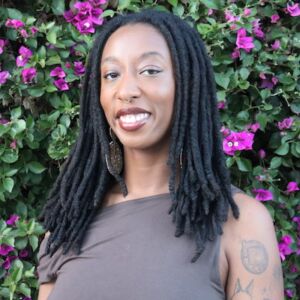
And I can only imagine what a profound human she'll be in her fifties. Anyways, what I wanna say about our guest is she's written a book. Her name is Gabrielle Felder. [00:01:00] She's a writer, a data analyst, and aborisa, she's the author of the new book, "The Five Blessings of Ifá: Reclaiming Black Futures Through Afro-Indigenous Spirituality."
And this is a book for everyone. It's something she emphasizes repeatedly. It's not just for people who are black, it's for anyone who wants to understand a greater context and anyone who's had the experience of, being disconnected from their, their ancestral land, their ancestors. And the wisdom that comes with and through that.
And so I hope you read this book and that you use it as inspiration to connect to your own ancestry and have some important conversations.
Welcome, Gabby.
[00:02:00]
Charna Cassell: I'm so, I'm so glad to get to have you here and dive into your book. Congratulations.
Gabrielle Felder: Thank you. Thank you so much. I'm really excited to be here. But yeah, it feels crazy to write a book. I feel like people that it hasn't really in yet. Mm-hmm. It kind of feels like I just did a really big homework assignment and I'm like, oh, just turned in that essay. But it's much much, more than that.
Charna Cassell: No, it's massive. I mean, I'm, I'm, I'm [00:03:00] actually curious how long you spent, because there's the actual writing, but there's the inspiration for the book itself. Mm-hmm. so it was gestating in you, I imagine, for a while before you decided this was a project that you needed to take out into the world. And so how did that unfold for you? Yeah,
Gabrielle Felder: I the whole process was like, probably like a five year long process. And then in terms of the actual like, okay, like I'm actually in a conversation about writing a book and turning this into something tangible. Probably about a three year process from there.
Charna Cassell: Mm-hmm. And
Gabrielle Felder: actual sitting down hardcore, like focused.
I would say like eight months because i'm like a procrastinator. So I feel like I was collecting information over the years and writing like little essays and writing different things down. But putting it all together into like a fully fleshed out book that flows from [00:04:00] chapter to chapter. I
I did like the majority of that and like. Eight months. It was like a big push.
Charna Cassell: Almost like the, the length of a gist of like a, you know, a birth, a pregnancy. Yeah. Right. I mean, but even so eight months is like nothing.
Gabrielle Felder: Yeah.
Charna Cassell: The things
that you share in your book is that you started writing this, and you were keeping the writing from your family. And the, the topic of the book and you know, that you were raised in a very Christian household. Mm-hmm. And that you were in questions around your own sexuality.
So there was a certain amount, it sounds like, that you had to hide.
Gabrielle Felder: Yeah.
Charna Cassell: And that you weren't sharing and and being celebrated inside your family.
And if you could share more about what that was like and where you're at now with your family in the book.
Gabrielle Felder: Yeah, so I didn't tell my family I was writing a book until. [00:05:00] I had submitted the final manuscript for it, and it was like, basically it was done. It was just like, we're gonna work on the cover art and put it out.
So it was like, I don't know, six, eight months before the actual book came out, but all of the writing was done. It was already turned in.
I mentioned it and I, I think I downplayed it a lot. I was like, oh, you know, I'm kind of writing something and they know that I write, and so they're like, okay, like cool.
So I don't think they really realized and until things started coming out more like, until like the book was posted online and like I had events that I was gonna do, and so then I feel like it started to hit them that I actually like wrote something, I guess legitimate to them for lack of a better word.
But yeah, that was an interesting time in my life and I think honestly. Part of the reason why the writing process was so sporadic is because I had a lot of like anxiety about writing it in general. I was like, I know these [00:06:00] things to be true to me. Like this is my experience, my perspective. Like I've done a lot of research like well as I try to make sure that everything I'm putting in the book is as accurate as I can get it be, but having caveats where it's necessary to have those.
But I had so much anxiety because. Of a lot of different factors, but I think the main one was like, I don't know how my parents are gonna respond, and not just my parents, but like my extended relatives as well. Mm. Because I think that my parents ultimately, I think my parents are used to me doing things that they don't necessarily approve of, and they're like, okay, I guess this is just like what be like.
There's like a period of time where they're upset and then they'll kind of get over it.
Charna Cassell: Mm-hmm.
Gabrielle Felder: My extended family is where things get more messy and complicated because I think that. My parents care, obviously a lot about what my extended family thinks, and so if they're saying information about me, [00:07:00] it's gonna reignite the sort of like anger that my parents feel about the decisions that I make. So that whole. Family package altogether. I was like, it's stressful, but there's like a difference between my mom and my dad and how both of them approach different things. They're both very, very deeply religious Baptist people, but my dad is much more like. Interested, I think in just African culture generally.
So I feel like from that perspective I was like, I think he's gonna connect to this anyways and I think he's gonna be interested in general.
Charna Cassell: Hmm.
Gabrielle Felder: Because he is kind of like the family historian.
He's the one who would go through and he got like the ancestry.com subscription like way, way early, and he would like map out all of our family trees.
And he's always sending me pictures of different relatives and buying different books. And he's borrowed some books from me. So he's like very much interested in like black general. Mm-hmm. So I felt like, [00:08:00] okay, he's gonna have something in this book that would be of interest to him anyways. My mom, not as much.
And so that was like a little stressful but they came to an event that I did at a
bookstore in Los Angeles at Reparations Club and this, the conversation partner I had for that event, was like going very in on like, okay, we're gonna talk about Marxism, we're gonna talk about colonialism, we're gonna talk about queerness.
And luckily where my parents were sitting in the audience, I couldn't see them. They were right but they were kind of off in my periphery. So I was like, if I just pretend like they're not there, then I think I can speak the way I would speak. And I've, I've spoken at different events and things like.
That in the past for a variety of different things besides this book. But my parents had never me speak before.
So it was like a weird combination of things. But afterwards, they were very, very excited, very proud. My dad was like I told you about Denmark Vessey and all [00:09:00] these other historical figures like I mentioned this, I mentioned that.
So. I think they're happy ultimately because I think they're happy that I've written a book and I think they acknowledge that that is like an accomplishment. I don't know if they will read it. I think my dad has like read sections of it. I don't know if my mom will read it and I don't know if anybody else in my family is gonna read it.
Charna Cassell: Wow. It's, you know, I have, so many friends that have grown children that they just promote and celebrate and, and it, you know, it moves me to tears every time I see it. Because it's tricky when, you know, I write memoir and and yeah, I don't think my parents will read that material or have, they haven't taken, they haven't responded, they don't listen to my podcast, that kind of thing. And it, it matters to have the support of family. And at the same time, especially when you're queer, there's chosen family, right? [00:10:00] Mm-hmm. Chosen community. So you have your actual, biological, extended family, but you have, I hope, a bigger family as well. And so are are, do you feel like you're being celebrated by your people?
Gabrielle Felder: Yeah, I, I definitely think I am, and I, I feel like everyone else is reminding me how big of a deal it is to write a book, because I think that, like, I, I feel like I blacked out almost during
the writing process. 'cause like I said, I did a lot of it in like a kind of short
timeframe, and so I feel like I was just in this like flow state, for lack of a better word.
Mm-hmm. I was just writing, writing, writing, and then I was done. And then I was like, okay, like. Yeah, what that sort of thing. And so my friends are very much like you wrote a book, like
Charna Cassell: huge.
Gabrielle Felder: Secret for from a lot of people. I didn't really tell, I only told three friends until basically the book was about to come out and I worked [00:11:00] at two bookstores doing events.
And so my coworkers at bookstores were like, Gabby, did you write a book? Because seeing your book, like in this catalog, like, what is going on? And I'm like, I forgot to mention, I did write a book. So it was, yeah, it was crazy. So my friends were like, how did you keep this from us?
Charna Cassell: But I think it, I mean, it's really and I can't help but ask, you know, how does that mirror your coming out process. Mm-hmm. Around your sexual identity? And the reality is that writing a book, the writing process versus the like, reading publicly or speaking publicly, there a coming out.
Gabrielle Felder: Yeah. That,
Charna Cassell: you know, is, is a physical experience in the body. I mean, you know, like. That that's a lot. It's a lot to process. It's a lot to feel.
Gabrielle Felder: Mm-hmm.
And it was very vulnerable. And I think that that is like a, actually a very good analogy for my [00:12:00] coming out process because it, it was very similar where it was like I told only a few friends and then eventually other people knew and some people found out and like more, I don't know the word for it, but more like.
Oh, okay. Like, shocking, I guess, sort of ways. Mm-hmm. Mm-hmm. And then I told my parents way, way, way later on, so it was like kind of a very, the same sort of pattern. Mm-hmm.
But yeah, writing something. So vulnerable. And I think especially when you're writing about spirituality and when it's like a not organized religion as well, where it doesn't have this sort of text the way that, like Christianity for example, has the Bible and you can just reference the Bible.
And I know that's lots of interpretations, but. It is written down essentially when it's something that is much more amorphous, it felt more stressful because people are gonna be like, well, my Elay does it differently, or, I was taught differently. And so I was trying to [00:13:00] reference as much information as I could to give like a full picture, but to also say like, there are gonna be cultural and geographic differences to help
Charna Cassell: absolutely
Gabrielle Felder: practice this. Because this is, it is something that I think has been. Misrepresented so much, and I wanted to make sure that I didn't contribute to any sort of misrepresentation.
Charna Cassell: Yeah. It's so tricky, right? I mean, I was telling you offline that one of my first spiritual teachers was a Yoruba priestess, and she, but she's Cuban, she's coming. Mm-hmm. You know, she's coming from a, different geographical location. Mm-hmm. And so Puerto Rican and Cuban, and. And so I, you know, this like, to be clear, you've written a very specific book, researched around a very, you know, certain continent and working with it in a certain context, and your teacher, just like so many things depending on like how
something has come down from the person you're working with versus someone else is working with.
It's, [00:14:00] also a verbal, it's an oral tradition. Yeah.
Right? So it's like, it's not like there's something that's like, wow, this is what you.
How you do it.
Gabrielle Felder: Mm-hmm.
Charna Cassell: In, in terms of reference. One of the things that I'm very curious about is how you're, how writing the book has evolved your own relationship to your ancestors.
Gabrielle Felder: Yeah. I think that that process was something that kind of also delayed the, like, the finished product of the book too.
Because as I was, as I started on this entire spiritual journey, I had a lot of like gaps.
I feel like, at least in my own understanding of my own family background as it ties to the United States.
So both of my parents are African American and both of their parents are originally from the south. So that essentially means that there's no one in my family that has any memory or knowledge or connection to anyone outside [00:15:00] of the United States. So I don't have. Relatives that I can look to in West Africa or the Caribbean or some other place that's not located within the us.
And I think that growing up that that was really tricky for me to deal with because I think being a black person in the United States, you have such a complicated relationship with this country. Also specifically growing up where I did in Orange County, it is a very not diverse place at all.
boy. My cousins and I were essentially one of the few black people at our schools growing up for, from elementary school through high school. So. I think that when I was writing this book, I wanted to make sure that I dedicated time to go to the south and visit the south. And I went to Louisiana and I just did like a lot of historical stuff there. My dad's mom has relatives from Louisiana. So that kind of helped me [00:16:00] see the place a little bit more and like visualize it because up until that point the south was just like. A concept in my head. Mm-hmm. So it was nice to actually physically be there and see what it was like, like feel the climate.
I got to tour Whitney plantation which is like a black owned plantation now. And they have like a very honest perspective of what enslavement looks like in the south. So I got to do a lot of things like that. And then. Right around the time that I was finishing up the book, I went to Alabama.
And Georgia, and I visited my mom's side of the family for the first time. And have, so my mom is one of five siblings, and my grandmother, I want to say is one of eight, I wanna say. So they're, it is just like a really large family. So there were cousins that I had met a couple of times, but it had been like 15, 20 years since I had seen a lot of these people and it was just like so much food and so much and like just. Cool to actually like put names to faces and everybody [00:17:00] knows who I am, but I don't know who any of these other people are. And so it was a really fun experience and I'm glad I got to do that as well with my brother. But that like being actually tied and located into a place where I'm like, okay, this is where my grandparents lived and their relatives and like specifically in Alabama, my both sets of my grandparents, my mother's mom and dad I should say.
Grew up in the same town and were neighbors, like basically their whole lives. And so seeing that town and like the amount of history that my family has contributed to it,
Charna Cassell: mm,
Gabrielle Felder: was like important for me. To be rooted and located like geographically in a place that's tied to my ancestors. And I think it's given me a better appreciation, I think, for the specific Black American experience because I think that, like I said, growing up it was. Challenging to feel rooted or connected to that because I didn't live in a place that really had any tie to my family in, in [00:18:00] any way. Like my parents grew up in Los Angeles, but I wasn't living in Los Angeles. Like we didn't visit the south where my grandparents were from. So it was nice to kind of go and like trace that journey back
Charna Cassell: Thank you. And the other thing that, that I share with you is I, I'm a gardener love anything, plants and herbs and food and, and so I was picturing you visiting. Family and also, you know, and you mentioned the climate there. And so I was curious about that, about your how it felt to be physically like on the land if you a experience of connecting, even though that was not necessarily like, you know, like deep, deep, deep ancestral, but you know, that's, you said your family contributed to this town and so what, what was it like to put your body there?
Gabrielle Felder: Yeah, no, I think it was, it was very interesting. [00:19:00] I think, so first in Louisiana, when I went, I was struck by how sticky and humid it was, and I, I love the humidity, but I was like, oh my gosh, I can't imagine like living in Louisiana, on a plantation sharecropping in this humidity, like mm-hmm. Made it much more. Tangible to me to be like, okay, this was like, obviously it was a difficult labor, but like just the heat alone, like the air doesn't move. It was just like sticky and like, it just kind of set. And so that was an eye-opening experience for me. And then when we went to Alabama and Georgia, it was like, I wanna say it was like March, maybe.
Charna Cassell: Hmm.
Gabrielle Felder: So it was kind of spring, kind of muggy, gray, wet, damp. But I was like, just looking out it like we were driving around a lot and it's so much like flat land. It's so much trees. Like you could just, it [00:20:00] just was stretched out for miles and miles and miles, which I live in Los Angeles right now.
You don't see just a lot of trees and land just stretching out like far, and it wasn't being in California, you just, there's hills everywhere. So it was so flat. It was just, yeah, it was a very interesting experience to be like, okay, this is like this is the country that my family is from. Like it's
Charna Cassell: mm-hmm.
Gabrielle Felder: It feels like a very completely different place. And when I was in louisiana, I was in New orleans, so that's like a very specific type of cultural experience.
It's like a lot of food and city life and a lot of other stuff. But when I was in Alabama, we were in a teeny, teeny tiny town of Union Springs, Alabama.
It was like really, really small. My brother was like, there's nobody here. Like we went to a church service and everybody at the church was just my relatives. Like there was basically nobody else in the town. It was, it was so bizarre to see that. So I would, talking to my cousins who were around [00:21:00] my age, and they're like, where do you live?
And I, at the time, I was like, oh yeah, I kind of, I live in this part of Los Angeles. And they're like, you're like in the city.
Like I was like, yeah. So it was just different experiences, but it. I felt like I was able to like put faces to names a lot too. And I able meet my, one of my grandmothers, one of her brothers who was like 90 at the time. Remember hearing stories about him as so putting all of that together and being like, okay, this is where my grandmother would get the that her family would send her. 'cause they would ship her peanuts and snap peas and then I would like sit on the floor with her while she would like roast the peanuts and, and snap the peas and things like that for dinner. So it was like, okay, I can see where things are coming from. It just, it came, everything became like actually tangible and not just like a story in my head.
Charna Cassell: Yeah. And there's something so important, like the between reading a book about something and then [00:22:00] putting your body into the practice of it.
Or hearing about a place and putting your body in the, I mean, when you described the air. And the reality of like, okay, so slaves were working in this oppressive, so not only was it an oppressive system, but it was like oppressive in terms of the climate.
Right? Like there was a lot of struggle in a variety of different ways. Mm-hmm. There's wisdom that comes from it in a way that you can't get from just reading a book or hearing a story. Yeah. Yeah.
Gabrielle Felder: Mm-hmm.
Charna Cassell: I also, as you were, as you were that I was thinking about, just the, so we haven't, I'd like to get into some of the material about, about your book and about Ifá, and, and one of the things that, you know, the, the notion that Godliness is inside of us and runs through everything.
Right. Mm-hmm. Versus this notion that there's like this part, this singular being that rules and tells you what to do or something. Mm-hmm. And I wasn't raised with with religion [00:23:00] and
so I have very little experience with that, but I would, I used to go to a non-denominational church mm-hmm. That was very queer and very black and metaphysical. Basically just like we would, we acknowledged that energy ran through everything and everyone. Mm-hmm. And so for you taking that, like, i'm imagining you're already in this practice and you already have you know, you're writing this book and you're, you're on this land, and then how did that inform what you were witnessing and what you were experiencing?
Gabrielle Felder: Hmm. I think that the, the like land and the people specifically was, I'm trying to think of like the right way to phrase it. Like, I think that there was something like electric, I would say about the whole
Charna Cassell: Mm-hmm.
Gabrielle Felder: Because yeah, I'm, I think that my perspective in general [00:24:00] is to start with the land like that.
That's, that's where. Where you start in terms of understanding and when you are someone from the United States, you're always on indigenous land. So from that place alone, coming to this understanding of like there were people who lived here even before my ancestors.
Lived here and they still live here. So thinking about like the connection between indigenous American history and black history and then colonialism and how all of that specifically to the land was like very powerful for me. And I tried to do as much information, get as much information to do as much. As much. Research on that as possible, especially while I was in Louisiana. So I got a chance to look and visit the Mississippi River while I was there and that. River is so massive, it's so big, it's so powerful, and it has transported so much like goods, people, information, [00:25:00] resources, just like back and forth for thousands and thousands of years and. In Ifá, the river is OsOshun.
So I remember I went to the Mississippi River, I sang a song for OsOshun, but then I also just thought about like, okay, Mississippi's an indigenous term. Like this river was used to transport enslaved people up and down the coast. Like people also used it to escape. Like, how much has this river seen of like American history, you know?
So the place where I too. It had like a plaque talking about all of the different indigenous tribes of African peoples who came to the Americas as part of enslavement.
And so they named some of the various tribes. And so just thinking about the rich cultural diversity that has, like just in the American south alone, I think is not something that.
Maybe it's not something that we don't talk about, but I wish that we like highlighted it more. Mm-hmm. Such there's so much cultural depth there. And then of course when you're in the [00:26:00] south, you're going to eat food. So like that's also very much tied to the land. So like gumbos and, and fried fish and jumbalaya, like all of that comes from West African cuisine.
But then they have ingredients that are mixed in from the americas. So it's like. The very, it's like a very perfect representation of this sort of like the cultural diversity that is born from this place. And I think that sometimes in the uS we kind of do like a cultural flattening.
Charna Cassell: Mm-hmm.
Gabrielle Felder: It seemed like the south is all one culture and that black culture is like all one culture in the United States, but it's very regionally specific and it has so much influence from Europe and indigenous American culture as well that like you can't. You can't flatten it or separate them. It's all sort of like intertwined. And I think that specifically being at the Mississippi River was like a very visual representation of that for me.
Charna Cassell: When you were started talking about the river, [00:27:00] I mean, I'm still feeling it. My whole body, I'm like getting all these shivers, like you were, you were transmitting how moved you were. Being in the presence of that river. And I know also from your book, your connection to ocean, like, is is that the the, the God that feels the most resonant for you or that you like what's. Do you wanna say more to that?
Gabrielle Felder: Yeah. So my, the elay that I'm a part of specifically Oshun, is sort of, for lack of a better word, the patron of that Elay.
The Orisha that owns my head would be the term is Obat law, which is the orisha of like knowledge and creativity. But they're obviously very
interconnected in
a lot of different ways,
especially
because water is. Sort of like an element of creativity. It's the thing that creates life. And so even though Obatala is over my head, OsOshun is definitely a part of like, or, or like a representation of creative energy as well.
Charna Cassell: Mm-hmm.
Gabrielle Felder: But yeah, I think there's a, a huge, huge [00:28:00] connection
to ou specifically because my elay. Focuses a lot on ocean as well. The, the sort of baba of the eile and a lot of the people in the eile are children of sOshun, so there's a lot of ocean energy.
there's
a lot of ocean songs that we learn and things like that.
So yeah.
Charna Cassell: One of the things I, I, I really appreciated your chapter on. the as they relate to, gender queerness and talking about that that notions of OsOshun or, or notions of from a Western might be more thoughts and on be like beauty and love goddess versus actually, she's a protector goddess.
Gabrielle Felder: Mm-hmm.
Charna Cassell: Right. And that, that is, that's a deep, that's deeply resonant for me.
Gabrielle Felder: Mm-hmm.
Charna Cassell: And if you could go get into Oya as well. And the, and the, you know, the the gender neutrality and the, you know, and how important that Like it's a neutral language.
Gabrielle Felder: [00:29:00] Yeah. Yeah. That I think was really fascinating to me in my research as well, and something that I like. people talked about in general, because yorba is a gender neutral language, but there's a lot of in West that are gender neutral and there's a lot of languages around the world that are gender neutral too.
And so I think like as we're having this conversation in the West about like how do we use gender neutral language? Like how do we incorporate gender inclusive pronouns? Other old, old, old languages have already done that. Mm-hmm. It's sort of baseline how it is. And like to the point where I have friends whose parents are from West Africa, and they'll be like, my mom will mix up pronouns because just, it's not it's not, something that feels innate to them because it's not part of their language.
Charna Cassell: Mm-hmm.
Gabrielle Felder: So, yeah, that I thought was like very interesting and I think that it's a very, like you lead with like the person, it's a very person, centered way of viewing the world and [00:30:00] language definitely shapes how you see things. Like whatever language you speak informs the world that you're living in and the world that you see.
Because if you don't have words to explain then it almost exist to you. So. If you don't have words that are always denoting gender, then it's something that is like of lesser important. So it's not like it wasn't important. And it's not like there weren't gender divisions within West African Society, but it wasn't like primary way of organizing groups of people.
And then it's not something that like takes, it's not something that was seen as like as tied to biology as well, the way that it is in the west. It's more like. You have a particular role during reproduction, and that's kind of it. The rest of your life is kind of up to interpretation, so think you can see that very clearly within the orishas as well.
So Olo, Ari, the creator, is. Gender neutral Olo [00:31:00] Demari doesn't have a gender, and I think that sometimes in the West when people have like artistic representations of old Demari, they might gender old Demari at that point, but there's no gender tied in the word or the meaning or any element of Olodamari.
So the creator itself is this like gender neutral--
Charna Cassell: mm-hmm.
Gabrielle Felder: concept. And then when you get into like Oshun and Obatala, and Oya
specifically, like all three of them have these sort of non western traditional concepts and modes of gender. Obatala specifically, there's two paths to obatala, like a and a feminine path. So essentially Obatala could manifest as or
the other.
Oshun is a warrior. A lot of women goddesses, female goddesses and Ifá are warriors. In general. Specifically because motherhood is seen as kind of like a way of ushering you into like a type of warrior role because you become a protector [00:32:00] of your family, of your children, et cetera.
So Oya specifically, she goes into battle a lot, and when she battles, she transforms her gender. And she will put on the beards and the clothes of men to go into battle. And so it's like gender is used as like a tool for her, specifically for like wartime. It's, it's interesting
because she in different and in different, stories. She's also helped transform her partner's gender. Shango and disguised him as a woman by braiding his hair at certain times. So there's like, there's this kind of gender like ambivalence that happens. And even if the Orishas are, or even if people feel that the Orisha are more rooted in a particular gender, countless stories of them
putting on the clothing of another gender for X, Y, z purpose or doing something to like hide in this way. So they're going to transform their gender. They to [00:33:00] use this as a tool, et cetera.
And so it's not something that is like, it doesn't have like the connotations that we have in the west where it's transgressive to put on the clothing of another gender or to step into another gender momentarily.
It's just part of life and it's part of play. Developing a better understanding of yourself and other people. And just like generally like the world around you. And I think that is a huge part of Yorba spirituality in general. It it, even during spiritual possession, for example, so when trans and possession happens during ceremony, whatever, Orisha comes down and takes over your body.
During those moments, you become that Orishas gender. You get to transform into another gender and. That, I think that is like, it provides an opportunity for that, sort of gender play and that gender ex expansion and experience in a, like, in a controlled setting as well, and like a very [00:34:00] socially setting.
And so that's also just baked in to like Yorba life and culture is like the ability to have these moments where you get to transform into different and try different things on.
Charna Cassell: Yeah. There's even pragmatism in it. Mm-hmm. You're like, this is what would serve this moment.
Gabrielle Felder: Right.
Charna Cassell: Right and, and, removing the fear and the judgment. Is a quote that I wrote down and. Oh yeah. Nina Simone saying freedom is that absence of fear systems that reduce anxiety and bring inner peace. And, Wrote that, I wrote that down. I thought that was a, a potent I'm trying to remember where in the book that that was coming. Was that when you were talking about acts of rebellion. Do you recall?
Gabrielle Felder: Yeah, I, I think that it is.
Charna Cassell: I really appreciated that section. 'Cause I think I I talk a lot with my clients about micro practices. Mm-hmm.
Micro celebrations.
Mm-hmm. You know, and talk [00:35:00] about small victories.
Gabrielle Felder: Yeah.
Charna Cassell: You have a whole chapter on victories and, and so of rebellion, and I'm thinking about that it relates to what's happening world and all, like big acts of rebellion, but also how can we do it in small ways?
Gabrielle Felder: Mm-hmm.
Charna Cassell: Whether it's church or whether it's spiritual practice, that has really served to create
inner solace and inner peace. Mm-hmm. In the face of oppression and fear. And how it helps people manage that.
Gabrielle Felder: I'm glad that you bring that up.
'Cause I think it's, it's incredibly timely to talk about small acts of rebellion and that chapter. I like, I think all the I wrote were honest, but I think that chapter I felt like, felt very vulnerable to me as well, because I, in, in my own process of. I like, I don't know the word for it.
Social justice, for lack of a better word, social activism. I feel like there has to be a better word than that [00:36:00] at this point. But on my journey of being someone who is like involved politically and informed politically and trying to figure out what my role is in society, I definitely hit a point sometime in like maybe 2022.
Feeling very low and very depressed and very like hopeless because I think this was like a couple years after George Floyd's murder where we had the sort of quote unquote racial reckoning. And I think I was in my early twenties at point, like just coming my first master's program. And so I feel like.
I had this still kind of like young student oriented brain where I was like, we're gonna change the whole world. Like right now. Like everything's gonna be different. And then feeling like things kind of just went back to normal was demoralizing. And so I didn't really know like, okay, well I feel like I spent all of this time and mental energy and I [00:37:00] think it didn't help being in the pandemic and being glued to your phone during that time period either because.
You're just consuming so much violence through the phone and feeling like this weird
but it's still emotionally like hitting you. It just like a very chaotic time. And then coming out of that to feel like, okay, it's, you know, the pandemic quote unquote over, we're going back to how things were, it felt very demoralizing and I was like, I don't really know how people deal with.
Going through these sort of social movements and then feeling like they're not going anywhere.
Like I don't know how, this is like a sustainable practice. And I read a book that I think really helped me. Reframe that perspective called Joyful Militancy by, I wanna say Nick Montgomery and Carla Bergman.
I wanna, I think, are the authors.
And that was specifically about leaning into community and leaning into the joy in co-creating a [00:38:00] new world together.
Like you have to find joy and it can't just be these large moments. And these large acts of protests because there's all of these other little tiny things that you're doing along process.
And at the same time that I read that book, I read "This Nonviolent Will Get You Killed." Um, I'm forgetting the author's name, but it's a really, really great book that talks specifically about the civil rights movement within the us. The author whose name is escaping me, he played a huge role in the civil rights movement, so he was like actually there himself and getting that perspective, you see like, okay, so you had the nonviolent coordinating committee doing this, and you had core doing that, and then you had these black families in the south doing this. But then you had people, university students over here doing that. And so everybody was doing something different.
And it was all very coordinated around like voter registration, getting people into the doing sit-ins, like they had specific things that they were like. [00:39:00] That their, their goals were, but the tactics varied and were different, and people had to celebrate like, okay, we got like X amount of people registered to vote in this town, or we had like a successful sit-in mm-hmm.
At this counter. It wasn't like this huge, like The March on Washington for example. It was a lot of really small things that happened. Coordinated efforts across the south and across the north that like brought about change. And it was like all of these tiny little battles that people were doing. And then outside of the actual, like the sit-ins or the voter registration, it was a lot of just like relationship building.
Like people are in relationships with each other and so that perspective is like, okay, these are all little acts of victory. Like it doesn't have to, you don't just have to focus necessarily on like winning this larger battle or seeing, having like this huge culmination of all of your efforts that be like the goalpost for victory.
There [00:40:00] are little slave rebellions that are acts of victory. There are large rebellions that are acts of victory. There are small things like more people exploring their spiritual traditions like a little act victory. So I think right now in the, in the current political moment that we're in, it's important to remember that like the small things count because that's what adds up.
And also you never know, like through that relationship that you're building with someone through that, that's maybe what you feel is like a smaller act. You don't know what the people that you're impacting are gonna do with that energy that you're also transmitting out. So. I'm, I'm a knitter and a crocheter.
There's a lot of inherent political crafting practices that people are doing where people are like knitting and crocheting hats and things as acts of protest. And so you don't know what sharing a pattern or sharing a hat with someone is gonna do like where they're gonna take that energy once you've passed it on.
So I think that is what [00:41:00] keeps us mentally and emotionally sustained when it feels like things are insurmountable and it feels like you're getting drained and bogged down. It's like, what's like a small thing that I can do to like work towards creating the world that I would like to live in.
Charna Cassell: There's so much that you have like, oh, we could go in like 17 directions right now.
Oh man. That last piece, what's interesting is I thought you were gonna go somewhere else with it, but then you specific, you made it very concrete. 'Cause there's the energetics, right? It's like what we put out into the world. It can be about a private practice that we're doing at home.
Gabrielle Felder: Mm-hmm.
Charna Cassell: And shifting our energy and then how do we energetically show up and how do we then ripple out?
And you know, the morphic field around our hearts impacts people, right? Yeah. It calms people. It activates people. But then. [00:42:00] The reality is like we can concretize our intentions and our energy into food, into hats, into art, right? And yes, all of those, remembering the difference.
It's hard. I think I, to not get defeated. You, one of the, the things that you shared that I thought really, I appreciated the honesty is when you got burned out doing DEI work.
Gabrielle Felder: Mm-hmm. Yeah.
Charna Cassell: And I, really thought, I, I, I, I was very curious about your process of self-acceptance through the process of writing this book. You know, and the process of it, takes a lot of vulneraility self-acceptance to acknowledge, like, you're, like, I don't identify as an, as an activist.
That's not necessarily who I figured out that I am. So your small of rebellion may come in the form of making a hat and putting it out into the world or researching and reading and putting this out to educate people. And I think it's important to not like, you know, [00:43:00] I'm someone who feels everybody through my own physical body and it's very intense and a lot. So to put my body, I used to as a, as a younger person.
And I've come to realize, like even just sitting in a small group of people, I'm processing what's happening in the room through my body, whether I it or not, it just still happens, you know? And so recognizing what are our strengths? What are our edges? What are, what do we want?
Like how do we want to give back and be of service?
Gabrielle Felder: Yeah, I think that's incredibly And I think that. Really easy to feel like there's only one forward. Like there's only one role that we can do and everybody has to do the exact same role, and just not true.
Back in my DEI trainer days, there was this chart that people were using in training spaces, and it was basically like. It was like a circle with a lot of other circles attached to it, and it was like a bunch of different roles. could be like [00:44:00] storyteller or a weaver or a this or that and that.
That's kind of how I see myself fitting into the political landscape and like what I feel like my gifts are and how I can contribute. Mm-hmm. I also to watch a lot of interviews and documentaries with people that I think are incredibly intelligent that I look up to. And one of those people is Toni Morrison, and there's a really, really great documentary about her life.
I, I wanna say on Hulu or something like that. And she's in the documentary speaking as well, she talks about how she was working in publishing at Penguin Random House, and she decided to reach out to Angela Davis to publish her autobiography. And she was like, I'm not necessarily gonna be the person that's going to be like on the front lines of a protest, but this is how I'm going to contribute is in my role at Penguin Random House.
I'm going to get. Angela Davis's autobiography, I'm gonna encourage her to write this and I'm gonna [00:45:00] acquire this book. And so through her work at Penguin Random House, she helped usher in so many black authors, like so that we're able to now read those stories today. And so I think that was really inspiring to me because I'm like, there's other things that I can do.
There's other roles that I can play where I don't have to necessarily, there's more acts of protest than the traditional form of protesting, I guess. So it's not like, it's not a protest, it's just in a different form. And so when I was writing book, I was like, I'm trying to bring more healing and understanding to a, a, a specific group of people that has been denied access to their traditional religions for thousands and thousands of years at this point.
And.
Regardless of what it, it was never meant to encourage people to practice eFA or anything like that, but so that people have more understanding of how all of this plays a role in our lives culturally. And I [00:46:00] want not just black folks to read it. I want everyone to want people to like the beauty of African traditions and how they're impacting all of us. If you live in a place with black people, this, these are rippling out, influencing all of us. And so I was like, that's the role that I can play. I can be like one voice that hopefully people who are on their own spiritual journey will find this book and, take something from it.
Charna Cassell: Oh, thank you so much.
That was beautiful. Feels like we're in an era of sh go. In terms and destruction rebuilding. And hopefully different than what happened with cOVID which is like, I think we, a lot of people had that hope of like, oh, it's gonna be different when we come out.
We're gonna be more sensitized, we're gonna be more connected, we're gonna care about each other more. And then it, things just kind of went back to, to normal in a weird way. And it feels like we're on the precipice of complete destruction.
Gabrielle Felder: Yeah.
Charna Cassell: [00:47:00] For, for lack of a better word, but, you know, the creator, destroyer and, in an ideal world, we'll see. I mean, we'll see what happens. Mm-hmm. But kind of rebuilding post-colonial. Yeah. And more, more in a more era.
Gabrielle Felder: Mm-hmm.
Charna Cassell: And and like a power with era.
Gabrielle Felder: Mm-hmm.
Charna Cassell: Versus this kind of structure.
Mm-hmm. And so what are your, what are your thoughts as you're watching what's happening in the world and with your knowledge and awareness from a spiritual perspective?
Gabrielle Felder: Yeah. I think that. have to, it's, it's hard, but I think that you have to remind yourself that empires are made to fall. They don't last forever.
Nothing lasts forever. Even if it's not gonna happen right now, it will happen at some point because that's just the natural order things. Societies rise and they fall. Like people come into power and they come out of power. Systems will change and I think. In parable of the So, or Octavia Butler very, [00:48:00] very clearly hammers home the point that the only that you can count on is that things are gonna change.
Charna Cassell: Mm-hmm.
Gabrielle Felder: Like that is what is evident is that things are gonna shift and I think that that. Rains true in as well. Like there is deep understanding of like the constant flux of nature and things shifting and things changing, whether it's cyclical or whether it feels kind of sudden. like you can expect that after spring will come summer, but you might not necessarily expect when like a hurricane is gonna come or a wildfire like that.
That's just kind of nature of the world that we live in is that things are going to change and be disrupted, and that that's an uncomfortable process. But the best thing that we can do for ourselves is to be that. So I think that obviously as humans, we have a natural tendency to want to be comfortable and to seek comfort and to kind of put the blinders up and be like, well, I have like my little [00:49:00] house and I have my job, and like I, all I need to focus on right now. But all of those things are in flux and all of those things can change at any moment. And that's not to be afraid of it, it's to be like, okay, well then how do I prepare myself if, if X, Y, were to happen? What is my contingency plan? And I think that as people, were really bad with coming up with contingency plans.
And I think that even in Ifá, we try to use divination as a way of coming up with contingency plans of getting more insight into the future of like, okay, well if I don't do X, Y, Z, then maybe, you know, I might have like this certain misfortune or something might hit my life, so let me take heed and you know, with Babalawos for divination. It's like, it's a way of trying to set up contingency plans and to try and like figure out I think that right now we're in the like the, the, like, the eye of the storm, [00:50:00] essentially, like the collapse of empire is like happening around us and not just in the United States, but all around the world.
Mm-hmm. Mm-hmm. Old systems are falling and it's our job to figure out what's gonna take its place because just because something falls, it doesn't mean that the thing that takes its place is better necessarily. So there's, there's this tension in this battle, I think right now. For like what is gonna take the place of the old system?
Because the way that the United States is running currently does not feel like the United States of my childhood, and I'm in my late twenties. So it really hasn't been that long to see this amount of change happen. And so I think that. Those of us who care deeply about community and being in community with each other and building a world that is like truly just and welcoming for everyone.
We have to be much more organized and much more strategic about the [00:51:00] roles that we're playing and how we're going to usher in like a new world. And I think that that's the part that sometimes gets lost in, in this political moment is I think that sometimes we're too reactionary and we're not as thought out about like what's the strategy?
And I think that in reading that book, "This Nonviolent Stuff Will Get You Killed." You see the amount of organizing that people to do to create the civil rights movement. Mm-hmm. I think we hear about like the Montgomery Best Boycott. We hear about the March on Washington, but there was so much political organization that was happening across the country.
A lot of it led by students and church leaders and community members, but it was so much political organization. And so much education too, like people were really dedicated to learning from Dr. King to learning from the Black Panthers to like reading information, whatever, like whatever strategy or tactic that [00:52:00] they believed in.
They were invested in learning about the principles of that. And I think we have to get back that where we're focused on how much information can we absorb and then how can we. Organize ourselves together and then prepare ourselves emotionally, and spiritually for whatever change is gonna come.
Charna Cassell: Absolutely. And along those lines, are there any specific energetic. Or spiritual protection rituals that you engage in or that you would, you know, that you can offer? There's so many.
Gabrielle Felder: Mm-hmm.
Charna Cassell: Right. obviously not everything is for everyone. But I think that a lot of people feel very unsafe and afraid.
And, I mean, there's getting physic. Them being physically paralyzed, but then also just like how, how to feel safe enough inside and in your realms that you can step outside of yourself and support [00:53:00] others.
Gabrielle Felder: Yeah, I think that, that's a great question. I feel like one of the main things that I try to do, and I kind of think of it as like spiritual hygiene is cleanses like regular, like energetic cleanses, because also a person that like. Gets very emotionally like, like bogged down by other people's energies. Like
I can feel it, it almost feels like tangible to when I'm in a room with someone else. If like they're in a good mood or a bad mood, I just, I pick it up and so. If you're going to a protest, if you are like, even if it's like a book club, any sort of like meeting with other people and you're talking about like really heavy topics or dealing with really heavy energy, you're gonna carry that home like on your body.
And sometimes you can channel that into something else. Like you can use that energy propel you forward, but oftentimes it bogs you down and it feels really draining. And so. Typically I'll make like spiritual baths and I'll [00:54:00] take spiritual baths regularly. In e fob there like particular herbs and things that like will be part of spiritual baths, but sometimes you can just, like, if you wanted to do like a really, really quick, simple one, like a little bit of Florida water and some water and like maybe some white flowers and rinse it over your head.
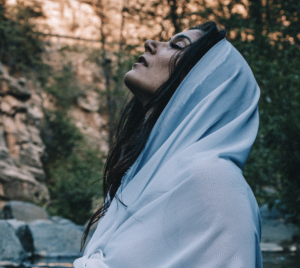
Another thing that a lot of in West African spiritual traditions will do is wear white. Like you wear a very, like, reflective color, so it also helps like bounce energy off of so that you're not holding stuff. Then wrapping your head. Wrapping your orie because your head is like a ch a sort of channel where a lot of things can like come into your head physically. So if you're going through a really emotional time, or like I said, you're trying to protect your energy, wrapping your head up a lot
So like if you wanna be like cute with it, like wear like a bandana or like a cute little head wrap or something. And then not letting everybody touch your head or your hair in general, because that's [00:55:00] also just like energy of people.
So protecting like your physical. Space too. And then, yeah, wearing colors, that helps like bounce some of that back so lighter colors can help a lot.
Charna Cassell: I mean, there's so much that we didn't, we didn't get to talk about, about herbal medicine and food justice and so many other things that are in book.
I really recommend that people read this book. It is chockful. It is so well and so much heart in it and it's really beautiful. Anything else that you wanna say before we wrap up and before you share how people can get in touch with you?
Gabrielle Felder: Yeah. I guess the last thing that I would say is I, I would encourage everyone, regardless of their backgrounds, to do some digging into their family history and just to learn more about the practices of their ancestors just in general.
I think that a lot of [00:56:00] times in the West we can become really disconnected from our roots, especially in the US because. The sort of myths of subtler colonialism ask us to kind of recreate ourselves as American, but. All of us, unless we're indigenous American, came else. And so if we can connect back to what those practices were, whether they're spiritual traditions or cultural traditions, that is the thing that gives us our sense of humanity and ties us back to people for generations.
So I would encourage everyone to do into their own family histories. And their own cultural practices and to see what things resonate with you and what you might wanna bring forward and carry on today.
Charna Cassell: Beautiful. Yay. Thank you. And how can people find you?
Gabrielle Felder: You can find me on Instagram.
My Instagram is at @gfx_prints.
P-R-I-N-T-S.
That's the only social media that I'm active on. I'm trying to
Charna Cassell: Good for you. Stay [00:57:00]
Gabrielle Felder: off apps. Yeah.
Charna Cassell: Oh, boy. And yeah, so thank, thank
you so much.
Gabrielle Felder: Yeah, thank you.
Speaker: Thank you for joining us. If you appreciated this episode, please like, rate, and review it, and share it with your friends. And if you would like to stay connected, you can find me on Facebook and Instagram @laidopenpodcast L-A-I-D-O-P-E-N-P-O-D-C-A-S-T. If you go to charnacassell.com you can join my newsletter.
Where you'll get discounts as well as find additional resources, and you'll be the first person to find out about upcoming events. Keep your eyes peeled for some workshops that I'll be offering monthly at passionatelife.org You can get more information about my private practice and my approach to healing.
This has been LaidOPEN Podcast. I'm your host, Charna Cassell We all have different capacities, but I believe in our capacity to grow and [00:58:00] change together.