Cancel culture is public shaming with the hope that those who are canceled will lose their power and position. As a society, we are struggling with how to hold people accountable. Often, they regroup anyway and do the same thing again in a new place and a new community. This is the cycle of abuse at play.
The black-and-white thinking behind cancel culture that someone is all bad and can simply be disposed of exists on the same continuum as the death penalty. It supports a level of denial, turning away from systemic problems, rather than being with them and addressing how abuses of power are perpetuated.
Because of Cancel Culture we are failing people at large.
Prisons don’t function as a place of rehabilitation. Cancelation does not give people new tools to navigate relationships and act humanely. There is no emotional rehab where canceled people go to look within and seek treatment to deal with their behaviors. Only those who have the resources and care enough may seek out solutions to be better—if they want change.
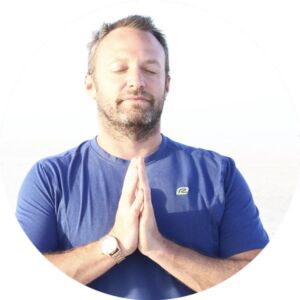
Someone can be a highly educated master at their profession, in the sex and gender, and mental health world, like this episode’s guest, Charlie Glickman, and still not be aware of their blind spots or how their nervous system reacts under stress.
We need to take a look at how to help people rehabilitate themselves. Charlie’s community cared enough about him to confront him, even when—from a dysregulated state—he repeatedly defended and minimized his behaviors. They stood by him as he felt through his own powerlessness and fear and he was able to begin to take responsibility for his actions.
Charlie is a case study of how we can approach people whom we need to hold accountable. He also models what can be expected when someone addresses their own trauma.
Inside an ever-increasingly polarized world, how do we understand forgiveness and ask for it? How do you come back from causing harm or recover from conflict and misunderstanding? What is accountability?
These are topics we will begin to explore in the next few episodes, and possibly beyond them. Can we evolve past an eye-for-eye mentality and support people in healing to end cycles of violence?
In an interview on KQED about her new book “We Will Not Cancel Us,” Adrienne Marie Brown asks, “What would actually create the boundaries and the spaciousness that we’re trying to give to survivors for their healing, while also helping the person who has created this offense to break the cycle of harm within them?”
As you listen to this episode I encourage you to reflect on a truth that Rich emphasizes, “We are all harmed and we all cause harm”. You may have the impulse to defend yourself and rank the degree to which you have been harmed as much greater than any harm you’ve inflicted. The harm may not be to the same degree. Can you still breathe through these questions and be present? Pay attention to your thoughts, emotions, and your bodily experience.
How do you feel after reading this? Are you willing to practice something? You can read through this exercise here or you can try the one at the end of the episode.
Cancel Culture Exercise; Try this:
Consider a time when you intentionally or unintentionally hurt someone and they brought it up with you. How did you respond?
Did you get defensive and think of the way you are the victim and feel attacked? What is happening in your body as you recall this? Does everything get tense? Does your breath stop, do your shoulders curl forward around a collapsed chest when you think of a time you caused harm, or perhaps your chest puffs out and your thoughts go to justify or minimize the event?
Do you feel shame, fear, grief, or anger? It is common to move to anger when you feel powerless. There is no right way to feel. Ask yourself if you have felt this way before. Try to remember when. Can you turn towards this part of yourself with compassion? What did this part need? what do you want to say to it? what do you want it to know?
Want to stay up to date with the latest news, blog posts and promotions?