Show Notes
Charie Glickman
[00:00:00] Charna Cassell: Welcome back to Late Open Podcast. During my hiatus from recording , I've been building an online course on how to live the passionate, pleasure filled, peaceful life you want, reduce self sabotaging behavior, and gain control over your nervous system.
[00:00:14] Charna Cassell: Creating courses for people around the world to understand the impact of trauma on their nervous system and relationships, and how they can heal is something I've wanted to do for over a decade. I'm thrilled it's finally happening. I'll keep you posted as to when it's launching. For now, you can also sign up for my newsletter, read my blog, or send questions to be answered at charnacassell.
[00:00:38] Charna Cassell: com.
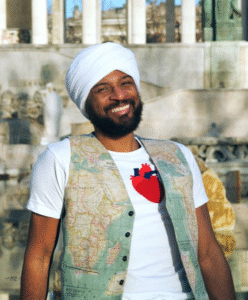
[00:00:39] Charna Cassell: Today's guest is charlie Glickman. He has a PhD in somatic sexuality and is a relationship coach in Seattle, Washington. In February 2023, he completed an accountability process. Hi, Charlie.
[00:00:55]
[00:01:39] Charlie Glickman: Hi, Chyna. It is lovely to be here.
[00:01:42] Charna Cassell: Yeah. It's so good to see you. So, for the listeners, I just want to give a little context. Charlie and I worked together at Good Vibrations when I was in my twenties. And Charlie was I was going to say the king of ceremonies. He, he headed the, the sex education program there. I don't know what your official title was, but how I saw you was you know, being the grand master educator.
[00:02:08] Charna Cassell: And you organized court, you know, trainings and on all the subjects you could possibly imagine. Think of all the products that we have at Good Vibrations and then think of Charlie. So,
[00:02:19] Charlie Glickman: it's true. Yeah, I was an education program manager
[00:02:22] Charna Cassell: Huh,
[00:02:23] Charlie Glickman: time, and yeah, I... I did all of the training on all of the products and how to talk about them and how to help customers with them. And yeah, it's been a nice change as much as I loved being very dialed into the sex toy world all those years. I have to say in the 10 years since I left Good Vibrations, it's been kind of nice to not be So focused on that world, just to get a little break from it.
[00:02:54] Charna Cassell: Well, I mean, and you and I have stayed, we've stayed in contact. I've seen you as a resource over the years around a variety of things. And I, you know, I know that you taught at CIS. You taught sex therapy there. And I taught at, at Marin City College. I taught a sexuality and gender class.
[00:03:13] Charna Cassell: And I remember having a conversation with you as I was planning my curriculum.
[00:03:17] Charlie Glickman: I do remember
[00:03:18] Charna Cassell: Yeah. So I've really, I've been grateful for, to maintain our very loose connection over the years. So thank you for that.
[00:03:25] Charlie Glickman: Me too. What a, what a lovely thing to hear. Thank you, Trina. It's lovely.
[00:03:30] Charna Cassell: yeah. And so, you know, it's, I, I can't even remember what exactly, maybe I reached out to, to talk to you about podcast guests and found out that you had gone through this process, which I didn't know you had gone through.
[00:03:43] Charna Cassell: And so if maybe we could start by creating the context for that so that people even know what's an accountability process and what exactly occurred, what were the things that occurred that led to this?
[00:03:57] Charlie Glickman: There's a lot of backstory to that, so I'll keep it concise. But my accountability process was rooted in practices and methods of restorative justice and transformative justice. And this is not a topic that I'm an expert in, so I can speak today about my own experiences and what I've learned. But What really made this possible was having my accountability pod.
[00:04:28] Charlie Glickman: which was a group of people who I recruited to help sort of shepherd this process along, and a consultant who had more personal and professional knowledge and expertise. The reason why I recruited so many people is that at the time of The span of time when I was doing hurtful and harmful things to folks, I had a pretty big public presence.
[00:04:58] Charlie Glickman: You know, I've been in the sex education world since the early 90s, right? I've been doing this longer than some people who are currently doing it were even alive.
[00:05:10] Charna Cassell: Mm hmm.
[00:05:11] Charlie Glickman: So what that meant was that I had this very broad reach and it meant that there were a lot of people who witnessed what I was doing or who heard about what I was doing.
[00:05:23] Charlie Glickman: There were a lot of moving parts and so I really wanted a very strong container. to help guide me through this. One of the things about restorative justice is that everybody's situation is going to be unique. So you have to take the principles and practices and apply them to your specific case. So I don't think everybody needs to do it the way that I did.
[00:05:52] Charlie Glickman: But I do think there are some folks out there who would really benefit from having that level of support.
[00:05:58] Charna Cassell: Yeah. So,
[00:06:00] Charlie Glickman: so in terms of what happened though
[00:06:02] Charna Cassell: well, let me pause you for one
[00:06:04] Charlie Glickman: yeah, sure.
[00:06:05] Charna Cassell: to say, I want to underscore that the reason I, I wanted to have you on was we had a very compelling conversation about this. And I thought, Oh my god, what incredible modeling, like, you know how you've, you've taken this experience. And also the systems that were, the structure that was set in place, people don't know what accountability is necessarily, or what it could look like if intentionally created.
[00:06:32] Charna Cassell: And so, I love that you said this is one example, and so, you know, people need to obviously do their own research and figure out what's specific, what's specifically going to be enough for them and the people in their community need to weigh in on that, for people who may be tuning in and then tuning out, it's like, that's what's coming is, is if there's somebody in your community that you feel like is causing some harm, or maybe you're the one who's causing the harm this is going to be a, a blueprint for one way of how it can be mended, how it can be approached.
[00:07:08] Charna Cassell: Okay.
[00:07:09] Charlie Glickman: And one of the things that took me a lot of work to wrap my brain around is that everybody causes hurt and harm to other people, frequently without us even noticing it. It's sort of... Like how, you know, you, if you go camping, no matter how much attention you try to pay to leave no trace, people inevitably leave little bits of trash behind at minimum, even when we're working really hard not to, you know, we don't see the impact we have on other people or not the full impact of it.
[00:07:50] Charlie Glickman: So accountability, you know, and hardship. Did a revision of the Love Languages,
[00:07:56] Charna Cassell: hmm.
[00:07:59] Charlie Glickman: ModernLoveLanguages. com, I think is her website, I should look that up. But she expanded it from 5 love languages to 18, which I love, it's fabulous. But, the reason why I mention her is that she lists both accountability and personal growth as love languages.
[00:08:17] Charna Cassell: I will say she, I have had her on my podcast, and accountability is one of my love languages. Go ahead.
[00:08:23] Charlie Glickman: yeah, well, to be able to say to somebody, yes, I did this thing and this is how it affected you, without defensiveness, without making excuses, is huge. And this was one of the reasons why my situation escalated was because When people first tried to call my attention to what I was doing, I got defensive, I got argumentative, I became emotionally controlling, and I did a DARVO, which is an acronym for a constellation of behaviors people do when they've been called out or called in.
[00:09:06] Charlie Glickman: It stands for DENY attack and reverse victim and offender. So that's what I was doing. I was denying the truth that people were telling me I was attacking them because I didn't want to hear what they were saying. And I was presenting myself as the victim rather than as the person who had initiated the harm or caused the harm.
[00:09:31] Charlie Glickman: You know, these defense mechanisms, everyone has a version of it. I'll, I'll say almost everyone, if only because I try not to say everyone, but really everyone has some version of these patterns and the way that they show up for cisgender men and other folks socialized as boys and men, you know, we get trained to go on the attack.
[00:09:58] Charlie Glickman: Oh, you're telling me I did something wrong? I'm gonna get really aggressive and yell at you and maybe threaten you in some sort of way. And so there's a way in which. These defense mechanisms that are just part of the human experience do come out through our gendered and racialized training. The way that I, as a cisgender white man, defended myself very parallel to the ways that lots of other white dudes have defended themselves when, when somebody calls them out.
[00:10:34] Charlie Glickman: And that's a hard thing for me to admit because I've been trying to change these patterns since I was 19.
[00:10:42] Charna Cassell: Mm-hmm. .
[00:10:44] Charlie Glickman: but, What really changed it for me was the somatic work.
[00:10:49] Charna Cassell: And what I think is really important about what you just said, Charlie, is that. You are someone who has put your attention on this subject of gender, gender role conditioning power, all of that. And so you, that's something that you were already conscious of and chipping away at and trying to dismantle and work around and you were educating other people about how to do that.
[00:11:19] Charna Cassell: And it doesn't mean that things are always in our consciousness, that we all have blind spots. And so you could be out there doing gender equity training or sexuality training or whatever it is, and you still have blind spots to work on.
[00:11:34] Charlie Glickman: Not only that, but for those of us who work in these realms for, well, I'll talk about me. For me, the fact that I have been talking about these issues for so long, in some ways made it harder for me to acknowledge what I had been doing, because I had a certain amount of self image and identity.
[00:11:57] Charna Cassell: Yeah.
[00:11:58] Charlie Glickman: Right?
[00:11:58] Charlie Glickman: And so, I do see people in these sort of helping professions doubling down for that same reason. And I think it's a real tricky thing when somebody is telling you that you're doing something and it conflicts with your self image.
[00:12:18] Charna Cassell: Well said. It's people's identity gets so invested and it's, you know, they get , somewhat rigid over time, you know, and it's like, this is who I am, and there's an over identification with a role. And if, if someone's giving you feedback and there's dissonance with you're like, well, wait a second, that, that, that's not congruent with how I see myself.
[00:12:40] Charna Cassell: It's, it's becomes harder to see it and people will get defensive and, and justify. I've seen this in other, you know, healing communities where there's been assault or different things where people are justifying their behavior. And that's, yeah.
[00:12:54] Charlie Glickman: Yeah. And to add another layer to it too I do think, it's not just what comes. Internally around that, but also, you know, I had people, and I've
[00:13:05] Charna Cassell: Mm hmm.
[00:13:06] Charna Cassell: Mm
[00:13:07] Charlie Glickman: have this happen, I had people trying to defend me or argue on my behalf
[00:13:13] Charna Cassell: hmm.
[00:13:13] Charlie Glickman: because what they were hearing about me was conflicting with their image of who I am.
[00:13:19] Charna Cassell: That's right. So just to go off roading for one moment ISTA, are you following what's happening in that world right
[00:13:28] Charlie Glickman: Oh yeah, very much so.
[00:13:30] Charna Cassell: Yeah, so it's an interesting, like, whether, I watched a documentary about Bikram Yoga, or like all these different things, right, where there's communities, where there's teachers that maybe people have gotten benefit from and the ISTA, the, I can't remember what ISTA stands for
[00:13:45] Charlie Glickman: International School of Temple Arts.
[00:13:48] Charna Cassell: Right. And so there's stuff coming out and there are people who've had benefit and so that they're defending and getting defensive and justifying and And so even if there's, there's a community, a learning community that has offered healing for 85 percent or even 99 percent and 1 percent is experiencing harm, it still needs to get looked at versus
[00:14:13] Charna Cassell: defended, right?
[00:14:15] Charlie Glickman: much your, your good work does not erase your harm and your harm does not erase your good work. But we have to hold both of these simultaneously. You know, and, and one of the things that I've been noticing with the, the situation with ISTA has a parallel to my experience. And this is the challenges, the confusion, the lack of clarity, We have, particularly in sexuality circles, around power dynamics. There's a marvelous book by Cedar Barstow called Right Use of Power, where part of what, what's, you know, talked about in the book is that When there's a power dynamic, the person who's in the up role, whether it's the parent, the teacher, the boss, the coach, the therapist whoever is in the up role, it is frequently invisible to them that they have power because of that role.
[00:15:19] Charlie Glickman: But for the person in the down role, it is absolutely obvious.
[00:15:24] Charna Cassell: Mm hmm.
[00:15:25] Charlie Glickman: And this was something that I was doing at the time. I wasn't recognizing the, the social capital that I had and the power that came with it. Because I didn't have any institutional power. I wasn't hiring and firing anybody. I wasn't managing an event space or community.
[00:15:44] Charlie Glickman: So I was willfully ignoring the power that I did hold as an established professional with a lot of contacts. Thanks for watching! Right. And, and so what happened was when some of the people who I harmed started talking about it, they had to strategize based on what I could do, not what I said I would do.
[00:16:08] Charlie Glickman: And I'll tell you what I mean by that. If I have a job where, you know, I show up 10 minutes late for work. My employer, the manager or the owner of the company might genuinely say, Oh, I would never fire anybody for being 10 minutes late. But the person in the down role, the employee has to behave based on what the manager could do, right?
[00:16:36] Charlie Glickman: My boss. could fire me for being late. So that's what I have to make my decisions on. Whether it ever occurred to me to retaliate against someone or not, it was very smart of people to strategize based on the fact that I could have.
[00:16:55] Charna Cassell: hmm. Mm hmm.
[00:16:56] Charlie Glickman: And this is the kind of power dynamic that is often ignored in sexuality circles.
[00:17:02] Charlie Glickman: You know, when, when teachers hit on students. Ignoring the power dynamic that's at play or you know, when when a teacher says, you know, let's say I market towards a specific community ecstatic dance community is a popular one, right? If I'm promoting to this community that I'm a member of, I may go to a dance event and genuinely believe like, Oh.
[00:17:30] Charlie Glickman: I'm not Charlie the coach, I'm just Charlie the person. I've taken off that hat. But the people in the community are used to seeing me in that role and it's not reasonable for me to just expect that they understand that now I'm here as a civilian and not a professional.
[00:17:48] Charna Cassell: Mm hmm. Mm hmm.
[00:17:49] Charlie Glickman: Once you step into that power role, you don't get to put it down as easily as you would like to be able to.
[00:17:57] Charna Cassell: hmm. Mm hmm.
[00:17:58] Charlie Glickman: And I didn't understand this at the time, and so that was an irresponsible use and abuse of the social power that I had. And I think this is something that we need more discussion around in these circles. I think this really has a lot to do with what's going on at ISTA. Mm
[00:18:17] Charna Cassell: right. It's a, this is, it's, you know, it's very relevant to being trained as a psychotherapist, right? There are certain rules around fraternizing with clients. You know, if I see a client out, I won't acknowledge them until they acknowledge me just to give them that confidentiality and privacy in case they're not wanting to be vulnerable in that way.
[00:18:41] Charna Cassell: You know, and, and so those, those. What some may see as rigid boundaries have, I really got to see because I was a coach before I was a psychotherapist and my. My somatic coach, Stacy Haynes, was also my trainer. She was my, my group leader, my, my quote unquote therapist, coach, person, my trainer, and my teacher, right?
[00:19:02] Charna Cassell: So there were, I, I know how to hold dual relationships, and yet it does get much more complicated, you know?
[00:19:10] Charlie Glickman: Yeah, well, and and you might know how to hold dual relationships, but there's also the question of optics and perception.
[00:19:19] Charna Cassell: Well, right, and so that's the, that's the thing, right? Like I could, even years after seeing a client, if like having a client actively be my client and they maybe, they want to be friends. And, But if I still see people in their life as a, as a therapist, there's suddenly a dynamic of like, who likes, who does she like more?
[00:19:41] Charna Cassell: Like there's all sorts of stuff that's getting played out that I could minimize, but really I need to take responsibility for because I'm in that power position. Right?
[00:19:52] Charlie Glickman: yeah, and so during this span of time when my nervous system was all over the map, I was in a functional freeze for a span of that time. And there were these power dynamics that I was Ignoring. I think that's probably an accurate way of saying it because people did try to bring my attention to it.
[00:20:16] Charlie Glickman: And I was ignoring them. And that combination made it real easy for me to do things that caused some real hurt and some real harm to folks. You know, one of the other things that I learned through this... Is that you know, I used to have the idea that it's only abusive when it's deliberate.
[00:20:40] Charlie Glickman: When someone is consciously making a choice to hurt somebody. And I believed it because that was the excuse people had given me about the abusive things they did to me. Both as a child and an adult. And I have seen many, many people excuse their own behavior by saying, Oh, I was triggered.
[00:21:02] Charna Cassell: Mm.
[00:21:02] Charlie Glickman: That may be true. What that did was it made it easier for me to try to use that as an excuse.
[00:21:13] Charna Cassell: Yeah. Right. Well, it was norm, it was,
[00:21:16] Charlie Glickman: It's normalized.
[00:21:17] Charna Cassell: yeah, it was normalized.
[00:21:18] Charlie Glickman: Normalized. Right? And so, there was a couple of years there. Well, really from start to finish, it was about a... three or four year time span, but the second half of that year and a half or two years was when it was being more public. And you know, I did things that were emotionally abusive because I was trying to get.
[00:21:42] Charlie Glickman: control of a scary situation, and that's the thing that I think is missing from a lot of our discussion about abuse is that there are some people who don't care about causing harm, and there are some people who cause harm because of the power that they feel in that, but most of the abuse that I have experienced and witnessed because somebody felt so triggered, so scared, so out of control, unsafe within themselves that they tried to create safety by controlling the people around them. It's like the man who says to his girlfriend, instead of saying, Hey, I feel insecure when I think that you're checking out other men. Instead he gets jealous and controlling and violent because he's trying to manage her.
[00:22:37] Charna Cassell: And, and so what I was, where I went in my head, and I think it would be useful for you to be even more transparent and explicit about some of the things so that people aren't running away imagining what occurred, because here's the thing, someone who, like, you know, I grew up in domestic violence, and I do believe my stepfather was triggered when he would beat my mom.
[00:23:00] Charna Cassell: Right? That was I feel powerless. I'm going to regain power by brutalizing you or trying to control you. And he felt incredibly justified every time. So you know, that's, that's on one, if you take the little slider and you slide it to one side, that's what it can look like, like what you just said. But so can you be more specific about what originally occurred and then the ways that you say, like you were hurtful or you know, emotionally abusive?
[00:23:29] Charna Cassell: Mm
[00:23:29] Charlie Glickman: sure. And for folks who are interested, there's a very detailed list on the My Accountability Pod's Medium account. We have everything documented there. You can find it by going to my website, MakeSexEasy. com, and there's a link right there in the nav bar. So I'll give an overview, but for people who are wanting more detail.
[00:23:55] Charlie Glickman: That's where to go. So, I was dating somebody and when things started to, what's the word I'm looking for, go bad in that relationship. And I'm being vague there because I'm being mindful of my former partner's privacy. So, I'm, I'm not dodging, I'm being, I'm trying to be respectful of their privacy.
[00:24:18] Charlie Glickman: But when, when, you know, I got really triggered. And I went into fight flight mode. And fight was all about blaming them, yelling at them, telling them it was their fault. Flight was trying to get away from the situation. So, gaslighting them by telling them, Oh, it's not such a big deal, you should just get over this.
[00:24:42] Charlie Glickman: And everything that is, like, on the list of what not to say to people who are in emotional pain.
[00:24:48] Charna Cassell: Mm hmm.
[00:24:50] Charlie Glickman: And mostly it was private for that first year and a half, just between the two of us. But I took it to Facebook. I wrote a blog post that was very... manipulative and defensive. One of the exercises my pod gave me was to actually revise that blog post and like, make a note of all the defense mechanisms that you see here.
[00:25:15] Charlie Glickman: And literally every paragraph, half of it was highlighted. And when people tried to talk with me about what they were seeing and what they were hearing I would get defensive, and I would yell at them, and I would tell them they were wrong, and I stopped listening and started, like, attacking. There would...
[00:25:40] Charna Cassell: I'm sorry, I don't mean to interrupt, but if you can be even, I know that like a more, yeah, yeah. Because I, I actually think that there is a lot of language, like, like people throw around the word manipulative, people throw around the word abusive, people throw around the word narcissistic and people don't actually know what that means.
[00:26:02] Charna Cassell: Until they're in it and so to just identify to be able to be like, Oh, I say that or Oh, I do that. That's that. Oh, okay. It's just helpful. Mm hmm.
[00:26:11] Charlie Glickman: Sure. And I, I will say just on that word narcissistic, I think it's fascinating that when you know, women and AFAB folks are triggered, y'all get called borderline. And when men and AMAB folks do it, we get called narcissistic.
[00:26:26] Charna Cassell: Mm hmm.
[00:26:27] Charlie Glickman: So I just want to acknowledge the dynamics there. But so, so for example I would be talking with a colleague who was trying to Help me see what I was doing and you can hear my tone of voice here and i'm very relaxed in this moment I'm going to switch and role play a little bit how I was talking to them because it's easier than describing um I mean, and I'm going to pretend, Charna, that you're one of these folks, because that way I can talk to you.
[00:26:58] Charlie Glickman: So you're talking to me, and all of a sudden I switch modes, and suddenly I'm talking really loud, and Charna, no, you've got it wrong, and if you just understood how bad I feel here, you would see that I'm the actual victim, and can't you see how much worse you're making this?
[00:27:15] Charna Cassell: So you would say you literally say those words. Yeah.
[00:27:18] Charna Cassell: Okay.
[00:27:19] Charlie Glickman: words along those lines. I don't, I actually, I honestly don't remember the exact words that I used, but that was the gist of it.
[00:27:26] Charna Cassell: Got it.
[00:27:27] Charlie Glickman: And it's easy to understand why somebody who is assumed female at birth, or particularly cis women, would hear that as incredibly threatening. Because that's the kind of behavior that men do.
[00:27:46] Charlie Glickman: right before they start becoming physically violent. There, there's nobody more dangerous than somebody who has up power who feels like a victim. And in male female dynamics, the man has the up power because patriarchy.
[00:28:05] Charna Cassell: Mm hmm. Mm hmm.
[00:28:06] Charlie Glickman: Right? So, Not only was it really shitty behavior and abusive and controlling in and of itself It was also very evocative and triggering of all of this wounding That people experience under patriarchy.
[00:28:27] Charna Cassell: Right. Right. So you're re, you're reactivating that, that language can suddenly push the button from the past and activate all those previous moments that were like alarm bells for this danger is going to escalate. And then what happens is that person who's triggered goes, when they become dysregulated, they can't tell the difference between you and they're a past.
[00:28:52] Charna Cassell: Offender and they suddenly could potentially even project more onto you than is actually occurring. So then you're both these dysregulated humans. Go
[00:29:02] Charlie Glickman: Yeah. Yeah. exactly as one of my teachers puts it I'm in by a trigger to hurt Inner Child, you're in your Triggered Hurt Inner Child, and all the grown ups have left the building.
[00:29:14] Charna Cassell: Mm hmm. Mm hmm.
[00:29:17] Charlie Glickman: And yeah I also, I also want to acknowledge that there are some other ways in which I did some harmful things to folks that I don't want to get into in detail out of respect for people's boundaries.
[00:29:33] Charlie Glickman: around what is shared about them. But if you do go to that piece on the POD's Medium account naming my harms is the one to look for. And everything that's there is within the boundaries and consent of the people who reported to the POD.
[00:29:51] Charna Cassell: hmm. Mm
[00:29:52] Charlie Glickman: That would, that was one of the tasks of my pod was making sure every time we communicated publicly that the people who we were referring to consented to that disclosure,
[00:30:07] Charna Cassell: Yeah.
[00:30:08] Charlie Glickman: Because and it made for a really tricky.
[00:30:11] Charlie Glickman: Dance because there were times when we were vague,
[00:30:14] Charna Cassell: Mm hmm. Mm hmm.
[00:30:17] Charlie Glickman: you know, but Supporting people's agency outweighs disclosing everything to the curious.
[00:30:25] Charna Cassell: Yeah. And what's important there is, is, is the ongoing consent dialogue, right? It's not just a one time conversation that you had. It was a repeated check in.
[00:30:38] Charlie Glickman: Yeah. Yeah, because people's needs around that change. Or they could be comfortable with a certain level of disclosure in this document, but a different level of disclosure in that one.
[00:30:52] Charna Cassell: Right.
[00:30:53] Charlie Glickman: So, so there was a lot of caretaking of the people who I harmed by the pod as much as they possibly could. They did an incredible, at least my perception of it, is they did an incredible job.
[00:31:08] Charna Cassell: Yeah. Yeah. And, , I do want to come back to what you started to talk about was your own unwinding and awareness of, of your own trauma and how that impacted your reactivity, what you learned about yourself through this process. Why don't we actually address that first, we can come back to your, your, your pod.
[00:31:32] Charna Cassell: I wanna talk about that in a moment. Mm-hmm.
[00:31:37] Charlie Glickman: I, so I'm incredibly grateful for the development of somatic nervous system healing practices. Because. I have been in therapy off and on for 30 years. Talking about this stuff can only get you so far. It wasn't until I had the support to feel through it
[00:32:02] Charna Cassell: Mm-hmm.
[00:32:03] Charlie Glickman: that any of this could change. And I say that because, you know, a lot of people out there have kind of given up on therapy because it, it only took them so far.
[00:32:14] Charlie Glickman: But really, The, the, the new developments in the last decade or so change everything around this. So somatic practitioners, heck yeah, that was the way to go. One of the things that I learned through this is actually how Sensitive, sometimes to the point of reactivity, my nervous system is. I carry some developmental trauma that's literally from the day that I was born. Medical stuff from, from, you know, my very, very early life. And because it is from a pre verbal phase of my life, talking about it could not access it.
[00:32:58] Charna Cassell: Yes.
[00:32:59] Charlie Glickman: Those early experiences that continue to ripple through our lives, we have to engage with them through the body because that's how we experience them at the time. And one of the things that I didn't know how to do was how to feel my, my nervous system activation.
[00:33:22] Charna Cassell: Mm
[00:33:23] Charlie Glickman: Partly because I've been experiencing it, like I said, since day one, so I'm kind of numb to it. You know, I, I, sometimes I can have like an intense stress headache and everybody around me can see it because my eyebrows and my eyes are doing like the squinchy
[00:33:42] Charna Cassell: hmm. Mm hmm. Mm hmm.
[00:33:44] Charlie Glickman: but I will swear up and down and genuinely believe it when I say no, I don't have a headache I don't have a headache while I'm being angry and reactive at everybody for like Oh you you set a glass down on the counter a little hard and it made a loud noise And I like freak out about it. I didn't know how to feel those things because they're so old
[00:34:13] Charna Cassell: Mm hmm.
[00:34:14] Charlie Glickman: They're so old in my system.
[00:34:16] Charna Cassell: and, and so what I hear in that is that it, it's, it's, it's so, it's such a familiar perhaps level of pain that you were numb to it
[00:34:26] Charlie Glickman: yeah, exactly.
[00:34:27] Charna Cassell: you know, and it shows up in the body. Let's say if you see a massage therapist or you go to, If you are a massage therapist, you know, you, you'll know that the area that One side of the body could feel a lot of pain and maybe the other side is actually more bound but it gets so bound that the nerves are, everything's numb. But just because you don't feel it, it doesn't mean that, oh my gosh, there's so much bound up in there.
[00:34:50] Charlie Glickman: Yeah. You're still reacting to it, you know, in, in the same way, if you have a rock in your shoe, but you're too busy to stop and take it out, by the end of the day, you might not even notice that it's there anymore. But every time you put your foot down, you limp
[00:35:07] Charna Cassell: right, exactly.
[00:35:09] Charna Cassell: Yeah,
[00:35:09] Charlie Glickman: just ignoring it. You're, you're just not seeing it.
[00:35:12] Charna Cassell: But, but after a while, that, that subtle pulling up creates a tension pattern in your body that then creates a whole other set of, of, of pain and tension, and you just, you're just so
[00:35:24] Charna Cassell: used to moving
[00:35:26] Charlie Glickman: ripples out. It
[00:35:26] Charna Cassell: yeah, exactly.
[00:35:27] Charlie Glickman: out. There's another piece here that I think is specific
[00:35:31] Charna Cassell: Mm hmm. Mm
[00:35:32] Charlie Glickman: uh, I'll say cisgender men. I
[00:35:34] Charna Cassell: hmm. Mm
[00:35:35] Charlie Glickman: folks who are assumed male at birth or transgender men will probably have different experiences of this, so I don't want to speak for them. I don't want to speak for other cis men either, but this is a pattern I often see.
[00:35:48] Charlie Glickman: Which is that Boys, young boys start getting shamed and abused and traumatized out of their emotions Sometime between three and five years old. Why are you crying? I thought you were a big boy,
[00:36:03] Charna Cassell: Mm hmm.
[00:36:04] Charlie Glickman: right
[00:36:05] Charlie Glickman: and What that if that does a few things one is that it teaches us to become numb to our pain, the other one is that stunts us emotionally, which is why so many men, when we get triggered, turn into toddlers,
[00:36:23] Charna Cassell: Mm hmm. Mm
[00:36:24] Charlie Glickman: right? But here's the thing, when a five year old is angry and he throws his toy across the room, the toy is a stuffed animal or it's made out of plastic. Nothing is likely to break because you've probably childproofed your living room anyway. When an adult man does that, Suddenly, he's picking up the, the coffee table and flipping it,
[00:36:47] Charna Cassell: Mm hmm. Mm
[00:36:48] Charlie Glickman: right?
[00:36:48] Charlie Glickman: It's the toddler emotional reaction coming out through an adult man's body.
[00:36:54] Charna Cassell: That's right.
[00:36:55] Charlie Glickman: And it's terrifying,
[00:36:57] Charna Cassell: Mm hmm.
[00:36:57] Charlie Glickman: because there's no self control happening there.
[00:37:00] Charna Cassell: Yeah,
[00:37:01] Charlie Glickman: And then the last piece is that because boys are not, generally speaking, are not given access to the self regulation tools, it means that they get triggered so easily. You know, there's so many men walking around with these hair response triggers, and everybody in their life either has to choose to back away or comply with it somehow. You know, oh, my boyfriend doesn't like it when I look at other guys, so I'll just stop looking at other guys.
[00:37:35] Charna Cassell: yeah
[00:37:35] Charlie Glickman: Every time I'm five minutes late coming home, my dad yells at me, so I better be home on time every time. It's manipulative, it's controlling, and very frequently becomes abusive.
[00:37:51] Charna Cassell: right.
[00:37:51] Charna Cassell: I can also hear some listeners going, but it's useful. It works. I want my kid to come in on time.
[00:37:57] Charlie Glickman: Yeah,
[00:37:57] Charna Cassell: know, I mean, that's the, that's the tricky, that's the way the system perpetuates itself.
[00:38:02] Charlie Glickman: well, and here's the difference. It's one thing to say to someone, Hey, you know, you were late for our appointment, and that feels really disrespectful, and I'm angry about that.
[00:38:13] Charna Cassell: Mm hmm. Mm hmm.
[00:38:14] Charlie Glickman: It's very different from, and I'm gonna roleplay this a little bit, You were late, that was the worst thing ever, you're the terrible person, you're so disrespectful.
[00:38:24] Charna Cassell: Mm hmm.
[00:38:25] Charlie Glickman: Right? It's a question of how do we talk about our feelings without getting lost in them. And that's a really big ask for somebody who has never been given access to emotional skills.
[00:38:42] Charna Cassell: Absolutely.
[00:38:44] Charlie Glickman: This is a call to action for all of the, the cis dudes in particular out there. Really, truly. Learn about your feelings, learn about your emotions, learn about the act like a man box and patriarchal trauma because your life is gonna get so much better when you do. It really does. To be able to actually talk to someone about how you feel rather than blaming them for Quote unquote making you feel that way. It's a game changer, dudes.
[00:39:19] Charna Cassell: Yes. Yes, agreed. I, I, you know, I don't need to underscore it because I feel like every episode of Yeah, Fawn supports that. Absolutely.
[00:39:29] Charlie Glickman: Yeah, but I but I think there's a particular call to action for men around
[00:39:34] Charna Cassell: Yeah. To men, men to, to call and support one another.
[00:39:39] Charna Cassell: 100%. It's the era of, of women doing all the emotional labor. Hopefully it's, it's a bygone era, you know, it's it's exhausting. And I think that yeah. That people, lots of systems are hopefully breaking apart and that's, that's one of them.
[00:39:56] Charlie Glickman: Yeah, well and and this is a very challenging thing for parents and I always want to put a disclaimer in because I'm not a
[00:40:02] Charlie Glickman: parent
[00:40:03] Charna Cassell: yeah,
[00:40:04] Charlie Glickman: So, but you know, when you have a puppy, right, there's things that are cute for puppies to do that you really don't want an adult dog to do. Like, it's really cute when the puppy nips at my fingers when we're playing.
[00:40:19] Charlie Glickman: But when you're a 60 pound pit bull nipping at someone's fingers, even if you're not going to break skin, it's still scary. But we have to think about how this behavior translates into adulthood. When a 5 year old boy doesn't get his way and he throws a tantrum, and then you give in and give him what he wants because it's easier than dealing with his tantrum, you're training him be a 25, 35, 50 year old man who throws a tantrum in order to manipulate people.
[00:40:58] Charna Cassell: You're also training your child to do that if you do that yourself. So I mean, that's the other, that's the thing, right? I have a, you know, I've worked with parents where they're, where they start to see, oh my God, I, behaved badly when my child was younger, and through my work with you, I've, of course, corrected, and I don't have the angry outbursts I once had, but can't they get it?
[00:41:21] Charna Cassell: That, like, well, why are they blaming me now? It's been 10 years, and I'm like, yeah, but in that little, that person's nervous system, every time your voice escalates, their body remembers being that five year old and feeling you yelling and blaming them, and... Speaking in this certain tone and way, and now you're getting it fed back to you.
[00:41:40] Charna Cassell: They were conditioned into that. Right.
[00:41:43] Charlie Glickman: Yeah. And, and animals do this too. It doesn't surprise us with animals. You know, my, my mother adopted a cat earlier this year, and we're pretty confident that this cat had been abused because every time my mother raises her arm above her head to get something down off a shelf, or, and this is particularly heartbreaking, Picks up a clothes hanger. The cat runs and hides.
[00:42:07] Charna Cassell: Oh, oh, yeah.
[00:42:08] Charlie Glickman: Right? That's exactly what you're describing with kids. And with children or with animals, you can't just say to them, Oh, I'm not going to hurt you when I do this.
[00:42:20] Charna Cassell: Yeah. No, no. There's an, there's an automatic, I remember years ago I was in a somatic bodywork training and Stacy was, was one of the teachers in it. And Richard Strozzi Heckler was doing bodywork on me. And. I love them both, right? I, I felt like I'm safe in this community, but I automatically flinched.
[00:42:41] Charna Cassell: And, and I remember Stacey pointing it out for everyone to notice when Richard like touched my, my shoulder or my face or something, right? So there are these, these automatic responses that are in our, our system.
[00:42:54] Charlie Glickman: And, and here's one other layer of complexity, and I want to be real clear that this does not excuse anything that I did. But or and I grew up with a mother who carries some pretty significant trauma, including living the first five years of her life in a war zone. She was born in London in 1940 and lived through the Blitz, right?
[00:43:16] Charlie Glickman: So some real significant trauma there. That trained me as I was growing up and starting to date people, particularly when I dated women. If a woman starts to get triggered and go into a trauma reaction, it's real easy for me to go back into that hurt little kid space. And that's one of the big motivators for me behind the rescuing patterns that I have.
[00:43:45] Charlie Glickman: Like, oh Charna, you're really upset right now. What do I need to do to make you feel better? How do I calm you down so I can feel safe? And maybe I'll mansplain to you why you shouldn't be upset.
[00:43:59] Charna Cassell: Just the added cherry. Thank you,
[00:44:01] Charlie Glickman: Right? Maybe I will try to explain to you why this isn't such a big deal, because I'm actually trying to take care of myself. And so we get these patriarchal trauma wounds bouncing back and forth between people.
[00:44:18] Charna Cassell: Absolutely. And I want to add another little twist to that, which is, you know, what you just described, you could be someone assigned female at birth doing that, right? I could do that. I could have that same exact pattern and I'm impacted and shaped by patriarchy in the same way, right? So,
[00:44:41] Charlie Glickman: Yeah. So, so a lot of moving parts. And that's one of the big reasons why my accountability process took as long as it did. That's not the only reason, but a primary reason was that it took, it takes time to do that kind of. Deep somatic nervous system healing. And so, you know, people, you know, the pod would, would bring my attention to something, sometimes I would get defensive and react to them and then we had to repair that and sometimes it took me three, four, five months of working with my Practitioners to work through it that's some deep magic right there.
[00:45:25] Charna Cassell: You know, what I think is so important about that, Charlie, is it's, it's not, you know, people might go, Oh, okay, I have, I've set up a structure. All right. I have these people that people can filter through and you know, share their complaints about me and but what you're talking about is. It's about taking, doing the internal unwinding to actually be able to feel your impact, not give lip service to your impact, not do a big financial payout because of it or something, not go to, you know, but just to actually do the internal unwinding to feel it and to prevent future harm and to create change, not only for yourself, but for everyone in your intimate network.
[00:46:16] Charlie Glickman: yeah, there, there's a big barrier to bringing that kind of compassion and empathy, which is shame, right? How can I acknowledge how my behavior has hurt you while I'm stuck in my own shame reaction
[00:46:38] Charna Cassell: Yes.
[00:46:38] Charlie Glickman: around that? And shame resilience is It's deep.
[00:46:43] Charlie Glickman: It's really deep because shame connects to so many aspects of our lives. So, yeah. There was a lot there. There was a lot of deep work there. And you know, I'm that I did it. I wish that I had been able to come to it. On a path that did not involve hurting so many people,
[00:47:10] Charna Cassell: Yeah. Yeah. Absolutely. I would hope that everyone would, would wish that,
[00:47:18] Charlie Glickman: I hope so.
[00:47:19] Charlie Glickman: Yeah, Yeah, I think so, but, but really, you know, this is, this is this is soul work.
[00:47:24] Charna Cassell: Mm hmm.
[00:47:27] Charlie Glickman: And again, I want to be real clear that, that I'm not sure that everybody needs to dig that deep to address things they do that cause harm. I think a lot of people do, and I think it's connected to it for a lot of people. But, but maybe not everything for everybody, because sometimes it's simply that we didn't see the impact of our behavior.
[00:47:52] Charlie Glickman: Sometimes it is a matter of having it brought to our attention and we can respond to it. So, what I would say to the people out there who are maybe considering doing some kind of accountability work, whatever shape that takes, if there are places where you're noticing A desire to say, Oh, no, no, I don't need that or, Oh, wow, that's way too big.
[00:48:18] Charlie Glickman: I could never do that. Those are probably pointing you towards the things that you need to work on the most. I would have sworn up and down that I didn't need to take a look at power dynamics and how they play out in my work and in my relationships. I would have thought I was being accurate when I said that.
[00:48:42] Charlie Glickman: But the strength of my defensiveness is how the pod knew that they needed to keep pushing me.
[00:48:50] Charna Cassell: Mm hmm. Mm hmm.
[00:48:52] Charlie Glickman: So, just a thought.
[00:48:53] Charna Cassell: Absolutely. And, and here's, here's the thing, right? So you, you have you're well connected. You have certain, I'm imagining financial resources. You're, you have the social resources to build this pod, to get the somatic body work. I mean, this is where it becomes tricky is that there are so many people, some people are resourced and other people aren't right.
[00:49:14] Charna Cassell: So how does someone in Wisconsin create this pod? You know, any, any thoughts there?
[00:49:20] Charlie Glickman: Yeah, actually I think that if you are doing prof particularly professional work that involves holding space for people's emotions, traumas, pains, wounds, if there is any way for you to do this, With professionals, I think that's the most ethical way to do it. At the other end of the spectrum, I'll talk about the middle range, at the other end of the spectrum, you know, if it's, if it's more about things that happened in a relationship or maybe a few relationships you've been in, you can do a lot of really good work around apology and repair.
[00:50:02] Charlie Glickman: There's a book that I love called I love you, but I don't trust you.
[00:50:06] Charna Cassell: Mm.
[00:50:07] Charlie Glickman: Which, you know if that book is relevant for you just based on that title. The same author also wrote Too Good to Leave, Too Bad to Stay, and you know if that's the book for you. Just, she's got great book titles. But I have found that book to be the, for me at least, the most useful perspective on how to do...
[00:50:29] Charlie Glickman: Relationship repair. I will acknowledge the author is focusing on, you know, monogamous, heterosexual relationships, but I have used the tools with all kinds of folks. They, they work. So don't let that stop you. But learn to do repair. And, you know, there are some people out there who could support you.
[00:50:52] Charlie Glickman: Misha Bonaventura's website, clearingconversations. com is a really fabulous resource. For people where there's, you know, a person I need to apologize to or clear things up with. So you can scale this up or down as you need to. I will suggest though if you want to go with a pod, I've, I've seen it work really well.
[00:51:20] Charlie Glickman: I've also seen it blow up because nobody in the pod had any experience with it. If you can find at least one person. With some degree of expertise it'll save you a lot of trouble. And then there's all of the folks in the middle who you know, there are some real logistical barriers to doing this.
[00:51:46] Charlie Glickman: I don't know if I could have done this if it wasn't through the COVID lockdowns because I suddenly had all of this time. That slowed things down too, for obvious reasons, right? But what I would tell people is, Take it slow. Take it as slowly as you need to in order to stay in your window of presence, which is a term I prefer to window of tolerance because I don't want anyone to tolerate.
[00:52:12] Charlie Glickman: I want presence.
[00:52:14] Charlie Glickman: As slow as you need to, and you know, and, and keep moving as best you can. You know, this is, this is a marathon, not a sprint, so slow and steady is going to get you there fastest.
[00:52:28] Charna Cassell: Beautiful. Do you have a little five minute exercise, some kind of practice that you could guide our listeners through, either around this topic or something related to accountability and presence?
[00:52:46] Charlie Glickman: yeah, think back on a time when... You can acknowledge that you did something that hurt somebody else. It could be something minor. I'm not going to label minor or major.
[00:53:01] Charlie Glickman: It could be something like forgetting it was their birthday. It could be, you know, borrowing money and forgetting to pay it back until they reminded you a bunch of times. It could be, you know, borrowing their car and returning it with a dent. Whatever, whatever it is. Right? Reflect back on that time and really, like, lock it in the story.
[00:53:29] Charlie Glickman: What happened? What was going on for you? All of that. And now take a moment and take a breath and do a scan of your body and notice what sensations you have in your body. So not the feelings. I don't want you to focus on, I felt angry or I felt scared, but what were the sensations in your body? Were you clenching your teeth?
[00:53:59] Charlie Glickman: Were you wanting to close your eyes and look away? Were your shoulders up around your ears? Were your hands sweaty? Did you notice an impulse to like talk really fast or run away? What were the sensations? And the reason why I'm asking you this is those sensations are probably the information that you've been tuning out. And the sooner you can allow yourself to feel them, what I mean by that is if you can feel them when the volume knob is at a four instead of a nine, you can actually address the situation from a more grounded place. And if you wait until you're at a nine, you're already triggered. You might as well just, you know, go home and take a nice warm bath because no good conversation is going to come out of it at that point. So so what I'm asking folks to do here, and this is part of my path, is identify what your body is telling you when it's in distress and start to pay attention to that. Even though you have however many decades of disavowing it. That's, that's the place to go. You need to turn towards that discomfort enough that you can bring some empathy to the situation, but not so much that you're outside your window of presence.
[00:55:40] Charlie Glickman: And that's why you should contact folks like Charna for support around learning those skills. I can support people through that, but that's not my main area of expertise, right? For folks who are really looking at this, find a somatic practitioner. Because you can't hold space for yourself when you're starting out doing this.
[00:56:03] Charlie Glickman: Somebody else has to hold the container.
[00:56:07] Charlie Glickman: But the way to do it is start to feel the discomfort.
[00:56:12] Charna Cassell: That's beautiful, Charlie, and, you know, there are times where I absolutely hold that space for myself and there are times where I need still to be held because the more work you do, you, there's this spiral and you get closer and closer to the center and the core wounds and the core trauma, the young, you know, younger and younger parts, more vulnerable parts get revealed.
[00:56:35] Charna Cassell: And so at, at any time in a. You know, 20, 30 year period of healing, it's useful to have external support, but yes, it's so beautiful when you start to be able to hold yourself as well.
[00:56:49] Charlie Glickman: It's a skill to build.
[00:56:50] Charna Cassell: Yeah. Yeah. Always building.
[00:56:52] Charlie Glickman: And one thing about that, I don't want to get sidetracked, but I think it's worth mentioning. There is frequently, maybe not always, but a majority of the time, there is a relationship between our core wounds and our hottest sexual desires. Thank you, Dr. Freud. He really got that one right.
[00:57:12] Charlie Glickman: As much as I resent having to acknowledge it. But as one of my teachers points out when we've done enough of our healing work, playing with those core wounds erotically can be really hot and sexy. It's kind of like when you have a bruise on your leg, and even though it hurts, you keep pressing it, because it kind of feels good to press. Right, you know what I'm talking about. When we haven't done enough of our own healing work, pressing on that wound is reopening the wound. So not only does it help you be accountable to yourself and others to learn how to feel your own discomfort and move through it, will also have the potential to make your sex life better because You can then play with the bruise rather than reopening the wound.
[00:58:07] Charna Cassell: Totally. I love that. And it's such an important, this kind of overarching truth, which is as big as your capacity is for pain, it's that large for joy or for pleasure. And so that's what you're really pointing to.
[00:58:23] Charlie Glickman: Yeah, it's it's really fascinating how it all comes together And I guess just the last thing I want to put
[00:58:30] Charlie Glickman: out in this is that you know, the the thing that I found most interesting as I've moved through this accountability process is How people have reacted to it, responded to it. I've had people tell me, Oh wow, that's such a terrible thing you went through.
[00:58:50] Charlie Glickman: You really got raked over the coals. And I've had people tell me, Oh, I could never do anything like that. You're so brave and you're so wonderful. And I've heard everything in between. In some ways, this was one of the hardest things I've ever done, and that includes going to grad school. But in other ways, it's one of the best things I've ever done, because, you know, I've come to this place of more integrity, more alignment within myself. There are definitely some things, if I could go back in time, some things I might have done differently with the pod.
[00:59:33] Charlie Glickman: But I have absolutely zero regrets about doing this process, and I have an immense gratitude for everybody who helped me through it. So, I want to put that out there, because I, I've, like I said, I've had people, Particularly men tell me like, Oh, wow, you really, you really got hammered through all of this.
[00:59:55] Charlie Glickman: And like, no, I really didn't, dude. I really didn't. Step away from that mentality.
[01:00:02] Charna Cassell: Thank you for saying that.
[01:00:04] Charlie Glickman: Yeah.
[01:00:04] Charna Cassell: Yeah. Would you like to reiterate how people can find you if they want to receive some coaching or if they want to understand more about your process?
[01:00:12] Charlie Glickman: Totally. Thank you. So, my website is makesexeasy. com. You can also go to charlieglickman. com and it'll just redirect you. If you're interested in reading more about my accountability process, right up there on the nav bar, there's a link. that will take you to a blog post with pointers to all the information.
[01:00:34] Charlie Glickman: So folks are welcome to check that out. And if anyone is interested in doing some coaching or some consulting work with me, I always offer a free 60 minute get acquainted call because I like to make sure that I'm the right fit for you. You can contact me through my website. , the contact page goes right into my inbox and you know, if I'm not the best person for whatever you're dealing with, I am always happy to suggest one of my colleagues.
[01:01:05] Charlie Glickman: I love connecting people to people. Even if you know that you don't want to work with a man, or a white man, or a cis dude, whatever, you don't want to work with me for any reason I would be happy to help you find one of my amazing colleagues who might be a better fit. So please do not hesitate to reach out.
[01:01:25] Charna Cassell: Thank you so much for this conversation, Charlie. I really, I appreciate your, your vulnerability and this continued integrity that you're evolving into. And yeah, it's so important that we have male role models out there
[01:01:40] Charlie Glickman: Thanks,
[01:01:41] Charna Cassell: who are doing this.
[01:01:42] Charlie Glickman: Thanks for having me. This is a real valuable topic, and I'm grateful that you're out there on the very cutting edge talking about these things, so thank you for bringing some light to it.
[01:01:55] Charna Cassell: Absolutely. And may there be more and more light. And may there be more and more accountability.
[01:02:00] Charlie Glickman: Heck yes.
[01:02:01] Charna Cassell: that's, that's my prayer for the day. Um, Hallelujah.
[01:02:05] Charlie Glickman: Heh, so mode it be.
[01:02:09] Charna Cassell: All right. Lovely. Thank you so much.
[01:02:11] Charlie Glickman: Thank you.
[01:02:13] Charna Cassell: Was that as good for you as it was for me? If it was, we'd love it if you'd please rate and review it and share it with your friends so others can find us. If you have additional questions about living a vibrant life after trauma, we'd You can submit them at charnacacell.
[01:02:29] Charna Cassell: com. Follow me at Laid Open Podcast on Instagram and Facebook and read more about my work at passionatelife. org. You can also sign up for my newsletter to stay informed. This has been Laid Open Podcast with your host, Charna Cassell. Until next time, keep coming.