Show Notes
Adrienne Shamszad Episode
[00:00:00] Charna Cassell: Welcome back to Late Open Podcast. During my hiatus from recording , I've been building an online course on how to live the passionate, pleasure filled, peaceful life you want, reduce self sabotaging behavior, and gain control over your nervous system.
[00:00:14] Charna Cassell: Creating courses for people around the world to understand the impact of trauma on their nervous system and relationships, and how they can heal is something I've wanted to do for over a decade. I'm thrilled it's finally happening. I'll keep you posted as to when it's launching. For now, you can also sign up for my newsletter, read my blog, or send questions to be answered at charnacassell.
[00:00:38] Charna Cassell: com.
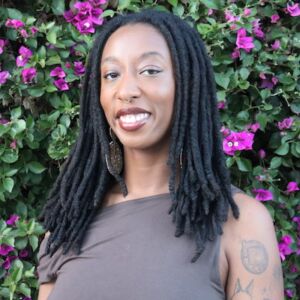
[00:00:38] Charna Cassell: Today's guest is Adrian Shamzad. She's a singer, songwriter, and teaching artist from the Bay Area. Welcome, Adrian.
[00:00:48]
[00:01:35] Adrienne Shamszad: Hi. Thanks for having me.
[00:01:37] Charna Cassell: I am. I want to give our listeners a little context for how I got to experience you.
[00:01:43] Charna Cassell: We have a mutual friend Ned, who hosts an open mic. You're going to die, which is a space to talk about grieving and death and loss and life and celebration of life. And you were one of the primary performers or singers inside this open mic that I went to one night and I was captivated,
[00:02:08] Charna Cassell: I was curious how you got connected with Ned and how you started that relationship.
[00:02:16] Adrienne Shamszad: Well it started for me. Like a couple of years before I even met Ned, my friend, Chelsea Coleman is a big part of You're Going to Die and is part of the nonprofit and works with Ned for many years. I just remember seeing You're Going to Die, like just that phrase, and then the way that it's spelled on social media, he spells it.
[00:02:40] Adrienne Shamszad: Y E R going to with the number to die. And it's just like super silly and funny. And I like making death sort of like a funny joke, you know, it's just it's like this, it's just true. Yes, I am going to die. Thanks for the reminder, pal. So I had this kind of relationship with Ned as the organization for a couple of years, and then eventually it was so funny.
[00:03:09] Adrienne Shamszad: I wanted to be a part of it for so long, but. Then it just all coalesced and Chelsea, like they asked me to come and be one of the musical kind of anchor guest for one of the open mics. So I came, I think it was like the month before you saw me, I came as a, just to do the open mic and met Ned and was blown away by his. Just like charming, funny, unique charisma and like, constant tears and just total access to like, the crying place and just like,
[00:03:48] Charna Cassell: Welcome to the crying place.
[00:03:50] Adrienne Shamszad: yeah, welcome, which is my face. Like, it's just so amazing. I was like, who is this guy? He's so tall and he's so loud and booming and then he's like, you know, crying non stop and making me laugh.
[00:04:03] Adrienne Shamszad: And it was so, I just, I was kind of like in, I'm like, all right, I want to be your friend. So that's how I met Ned. And that's how I got into your going today.
[00:04:13] Charna Cassell: It's you know how how tragicomedies are, they just work. It's like, oh, when you can laugh, it's such a, it's a great doorway in to dealing with tragic things and I feel like he really is a master of that and You know, the, a master of permission to let emotions run freely through your system,
[00:04:35] Charna Cassell: He could be a commercial for cleansing tears.
[00:04:39] Adrienne Shamszad: You don't need face creams, just cry. He's like him.
[00:04:44] Charna Cassell: let it rain. And then he like holds up, he's like, he sells, Oh my God, he could actually. Sell bottled tears. I could be one of the products that they sell like a buy, you know, for 25. You could buy a little glass bottle of his tears.
[00:05:00] Adrienne Shamszad: Ned's tears.
[00:05:04] Charna Cassell: You know,
[00:05:05] Adrienne Shamszad: really intense. Yeah, totally. Like a little vial.
[00:05:08] Charna Cassell: exactly. But so actually, it's funny, a book that I found to be so beautiful and magical to magical realism book written by a Persian author. Gina high. Have you heard of her?
[00:05:21] Adrienne Shamszad: No. I love magical realism.
[00:05:23] Charna Cassell: There's oh my god, what is the title, Rox, Roxanne of the Angels,
[00:05:30] Adrienne Shamszad: Ooh.
[00:05:30] Charna Cassell: to remember the title of the book Sunday's Silence is one, a different book of hers, but there's a character, I think her name is Roxanne of the Angels, and it's a mother who has flown away,
[00:05:41] Charna Cassell: And I'm gonna give away the ending, so
[00:05:43] Adrienne Shamszad: Wait, don't.
[00:05:44] Charna Cassell: little bit,
[00:05:45] Adrienne Shamszad: No, I don't want you to spoil it. I want to read it. It sounds really
[00:05:49] Charna Cassell: but it's totally, all right, now
[00:05:51] Adrienne Shamszad: till I leave and tell them later after
[00:05:53] Charna Cassell: the whole set, it relates to what we were just talking about.
[00:05:56] Adrienne Shamszad: Okay, fine. Okay, fine. Okay, fine. Will it really ruin the whole book if you tell me it?
[00:06:01] Charna Cassell: It's not going to ruin the whole book, but it is like the last scene in the book and it relates to Ned and his tears. Okay, then I just won't do it.
[00:06:10] Adrienne Shamszad: Okay we're all gonna, okay let's everyone who's listening right now, let's all promise to read the entire book and go to You're Going to Die so that it all makes sense. This is just like a, you should keep this in the episode so that people have like a, an assignment.
[00:06:25] Charna Cassell: oh, people love, some people love a good homework assignment. My, I have certain clients that are really eager to, they love to be good pupils. They're like, give me homework.
[00:06:34] Adrienne Shamszad: Actually, that's not me at all, but I'm going to do it, not as an assignment, but as like, just because that sounds amazing.
[00:06:41] Charna Cassell: It's a beautiful I really, if you like magical realism,
[00:06:44] Adrienne Shamszad: Love it. Okay,
[00:06:46] Charna Cassell: I enjoyed her book.
[00:06:47] Adrienne Shamszad: maybe I'll do it like right after I get off the call with
[00:06:49] Charna Cassell: Ooh, so, can you share a little bit about your background and what music like how music has been a resource for you?
[00:06:59] Adrienne Shamszad: Yes yeah, because it's,
[00:07:02] Charna Cassell: Well, I was just gonna say that, you know, given that I was introduced to your music in the context of You're Gonna Die, which I think of You're Gonna Die as, he's very intentionally curating and bringing certain artists.
[00:07:17] Charna Cassell: And then he creates space for anyone to get up there and to talk about their feelings. And so your music is very evocative and Then it makes me curious about how it served you, what it's evoked in you, and what kind of practice singing and playing music has been for you?
[00:07:40] Adrienne Shamszad: Thank you. Well, when I first started making music, I was a teenager and I mean, I was a kid. I started playing music when I was a little kid and I was always singing and I was in musicals and I played piano and I have, you know, a very instinctive natural role. Musicianship that I've carried now as an adult, I can look back and recognize my child self was like, you know, already had a lot of the ingredients to be a musician.
[00:08:09] Adrienne Shamszad: And but when I was like 14, I started taking formal guitar and songwriting lessons. And I just have these memories of sitting on the floor of you know, my home bedroom as a kid and, , writing all my feelings and songs, you know, I mean, I love to learn songs. I love to learn covers. I love to play other people's songs, but I just, my favorite thing is just always to try to. Musicalize and poet of poetify my experience and I'd say at that time in my life, I Definitely had a lot of depression. I had a lot of anxiety. I had a lot of kind of family turmoil and it was like the Healing it was my focus. It was my like I would spend hours On the floor of my room with my guitar or on my bed or whatever, and just play and play and play and play and just disappear into my guitar
[00:09:14] Adrienne Shamszad: And trying to write lyrics.
[00:09:17] Adrienne Shamszad: I didn't try very hard. I will say, actually, it was like the experience of writing songs. It was like, just like a channeling, you know, and the songs would mostly be healing songs when I was that age. And for me, you know, I was like talking about stuff with my family and some of them would be funny, like goofy songs.
[00:09:41] Adrienne Shamszad: Like I made a song about, there's always something that gets on my nerves, like the wait in the line at the grocery store when you open up the ice cream and there isn't anymore. Like I used to write funny songs too. So, humor. Deep like processing and just the pleasure of music moving through my body and the pleasure of songs and my voice.
[00:10:07] Adrienne Shamszad: And,
[00:10:08] Adrienne Shamszad: Yeah. And then as I got older, like I stopped really being interested in, I was always in plays. I acted a lot and I just kind of. I thought I wanted to do that. And I just kinda, you know, it felt very out of reach and impractical to want that. But then I wanted singing more. I wanted to be a songwriter more than anything.
[00:10:27] Adrienne Shamszad: So I just kept doing that instead. And it just, yeah, it carried me through. It's carried me through my whole life. It's my, it's like my friend, you know, songs, being a songwriter, being a guitar player, I may play piano, I play a bunch of instruments, but. Playing guitar and writing songs is like, it's like the superhero origin story or whatever it's where I like, you know, got all my powers from, um, it was just the floor of my bedroom as a kid.
[00:10:57] Adrienne Shamszad: And yeah, I mean, obviously I could take that question and run with it for an hour and have my own podcast.
[00:11:02] Charna Cassell: Yeah, no, beautiful. Well, there, there are two things that I want to go a little deeper into that you mentioned.
[00:11:09] Charna Cassell: I wondered about, I know that as teenagers, you know, there's, there can be this conflicted desire to be seen and to also be invisible,
[00:11:23] Adrienne Shamszad: my God. So smart.
[00:11:24] Charna Cassell: it's so uncomfortable to be in this changing body. And then there's, so there's just like being that age, but then there's also being in whatever your family is.
[00:11:36] Charna Cassell: And so. You said, you know, music is your superpower. And I literally, so I just had the sense of like, wow, like, well, is it like Wonder Woman where it was a way and to have a voice, but then to also just disappear the feelings or disappear yourself.
[00:11:54] Adrienne Shamszad: Yeah. Wow. Thank you. That's so beautiful. How healing for my little adolescent self to hear you say that. It's so loving because that's totally what was happening. Wow. I never really put it in that perspective before. And yeah, I mean, I used to, I don't experience this really as much as an artist now many years later.
[00:12:16] Adrienne Shamszad: But the feeling of like, just. Dissociating from my body when I would play or when I was in a play when I was played a character, I was like, you know, become I was like a method actor without even meaning to just completely. And I have that ability to dissociate. And in some ways, it's like this incredible.
[00:12:36] Adrienne Shamszad: Empathic thing of just really being able to kind of travel in between souls and kind of
[00:12:43] Charna Cassell: Yeah.
[00:12:44] Adrienne Shamszad: everything and everybody in shape shift. And I think part of my upbringing my way of responding to difficult. and hard experiences was to just disappear, you know, just dissociate. And I, it took me many years to get into my body.
[00:13:04] Adrienne Shamszad: It took me like, and I'm such a physically present person. So. I don't take it for granted now, you know, but it was such a, you know, and now music and singing after many years of like actually studying the voice and being a voice teacher, my approach to singing is such a somatic, like embodied coming home to the self experience.
[00:13:30] Adrienne Shamszad: So it's like actually drawing in that energy that used to just kind of take over my consciousness. I mean, I would do a concert and I would just. started and then end it and was like waking up from a dream. I have no idea what just happened. I would just completely, like, I remember being in college and performing at our local coffee shop and having a concert and just not remembering anything.
[00:13:54] Adrienne Shamszad: And that happened so many times, you know, in a play and people come up to me like, whoa, I have no idea what happened, but I need to go to bed immediately. But now my experience is like, I'm aware of what's happening while it's happening. And I'm more, it's more, Of an intellectual experience sometimes happens and I have to pull myself out of my head and back into my heart or my body because I have so much information now, but the feeling is of being in collaboration with that force with that creative presence, the muse, you know, it's like you and me, kid, like, let's do this.
[00:14:33] Adrienne Shamszad: Let's go for it. So it's and then when I, you know, I can feel it when it's drifting away and I'm in my head and then I bring it back. And so it's a. Yeah. It's just a more embodied and like present and mature relationship.
[00:14:46] Adrienne Shamszad: And I think that's true with, for artists. I mean, I wonder if this is true for all artists of any age that we are in this.
[00:14:53] Adrienne Shamszad: You know, kind of, or all of us in whatever we do, whatever's interesting to us. Like we want to be seen and we also want to be, have privacy. I want to have this sacred thing that I'm doing that's just for me. And then I also really want to share it. I also really want it to be released into the world, you know?
[00:15:14] Charna Cassell: Absolutely. There's so many, there's so many more threads that we get to follow, and I want to come back to this piece, and you started to speak to it, but the other thing about voice, right, and making sound is that it can be an it, It is a way to, as you create vibration in your body, and that sounds like you've moved more towards that place of it being an embodiment practice.
[00:15:40] Charna Cassell: And I know for me I was in college and I took a voice class and I hadn't healed somatically yet. And I had to drop the class because. Making vibration just making sound. I was having flashbacks and I was having panic attacks. And I just without any explanation, drop the class because it was inviting me into feel something that I wasn't, I couldn't even tolerate just sensation was unsettling for me.
[00:16:10] Charna Cassell: And so on one hand, I look and I picture you again, as this young self, having this wise resource, Which on one hand could, it could ultimately lead you to embodiment. And then the other, singing and chanting and do it and making sound also helps us go into altered states.
[00:16:33] Adrienne Shamszad: Totally.
[00:16:33] Charna Cassell: And that sometimes dissociation is what we need to do.
[00:16:37] Charna Cassell: And so again, the wisdom of that as a path for you.
[00:16:41] Adrienne Shamszad: Yeah, I think that's beautiful. Yeah, it's amazing to just like having that experience of I can't do this, you know, you're in a singing class and then you're This is way too much. It's like, you're rattling things, you know, when we were vibrating, we're rattling stuff off the shelves. We're like, we're cleaning ourselves.
[00:17:01] Adrienne Shamszad: I mean, singing, humming, making sounds, even just like sighing. It's a signal to our nervous system to like, let go to like, let the guard down. You're safe. But if your internal reality is not safe, it's just like. You know, that's not, that's a different experience. And I know that there, you know, you can sing and be, have a lot of trauma and not be totally healed.
[00:17:29] Adrienne Shamszad: And it can still be amazing and beautiful and wonderful. And I'm, but for, I guess my journey with it is that like, Over time, I claimed the practice, because I used to lose my voice a lot. I used to lose my voice when I would sing, or at the end of a show, or a play, and I would just be exhausted, you know, like I, and then I couldn't just sing, you know.
[00:17:53] Adrienne Shamszad: I remember it, and I started teaching voice. I used to teach guitar since I was in high school, so I always did that. And then when I was, like, maybe, I don't know, 26 or 25 or something, I started teaching at a, like, little music school in a mall in Hayward, California. And I had all these students that I had inherited from the previous teacher, and I had, like, 10 students a day, like three days a week or something like that.
[00:18:23] Adrienne Shamszad: It was a lot of students and I lost my voice.
[00:18:28] Adrienne Shamszad: On the first week, then I got it back, then I lost it again on the third week and I was like, I don't know how to teach voice. I don't know how to sing, you know, I was like, I'd been singing my whole life and had all this like, you know, felt that I was a pretty good singer and was teaching voice and asked to do that.
[00:18:47] Adrienne Shamszad: But then I just realized I didn't have any real technique. It was all intuitive. It was all this like, Yeah, this adolescent process. And so that experience led me to my voice teacher Zachary Gordon, who's a baritone and like just incredible healer through teaching voice through teaching Western classical vocal technique.
[00:19:12] Adrienne Shamszad: And a little informed by Alexander technique and stuff like that. So it was like the experience of being able to just come back into my body with every inhale and not be chasing my breath for an entire song healed me. And it took many years actually to fully internalize that practice. And it is now woven into me.
[00:19:39] Adrienne Shamszad: And I'm able to actually have a methodology to teach people, which is really amazing.
[00:19:47] Charna Cassell: That sounds incredible. I'm like, Ooh, sign me up.
[00:19:50] Adrienne Shamszad: Yeah.
[00:19:53] Charna Cassell: and it's, you know, I can't help because I'm always with myself and with my clients helping translate what the body's communicating
[00:20:03] Charna Cassell: Is a heavy handed communicator, right? Through these metaphors. And so I'm, I can't help, but get curious again about those moments when you lost your voice.
[00:20:13] Charna Cassell: Because we literally say, you know, I not just physically lost my voice, but then what were the moments where, what were you wanting to communicate that didn't get to be spoken? Or what were the emotional or spiritual things that were occurring in those moments when your voice was lost?
[00:20:31] Charna Cassell: Beyond technique. I just,
[00:20:33] Adrienne Shamszad: I love that question. Nobody's ever asked me that. I've thought about it a lot back when it used to happen all the time. Because it used to happen a lot. And, what I'll, I think the overarching theme is that, you know, when we quote, lose your voice, you're losing a part of your access to a part of yourself and a part of what keeps you safe.
[00:20:55] Adrienne Shamszad: And grounded in this life, our voices are our, you know, there are vehicle or a vehicle, you know, there are like our protection and there are communication, there are expression. And for so many of us, and I think my when I would lose my voice, I had a few times, like a few kind of places where it would happen and was usually talking like I don't think it was the combination of like.
[00:21:26] Adrienne Shamszad: You know, poor breath control, you know, while I'm singing and like my voice, like just beating on my vocal cords without grace and connection. And then also just the talking after shows or the talking while I'm teaching and what happened to me while I was in that talking place was physically like.
[00:21:48] Adrienne Shamszad: Having my head like far forward of my neck and reaching, extending, overextending myself to try to get people to listen to me, to overly connect with people that are like not getting it because for whatever reason, or I think that they don't get it.
[00:22:04] Adrienne Shamszad: So I have to over overexert myself, you know, like after a concert, for example, like. That vulnerability after exposing oneself or myself is just so raw that I feel like I would need the contact with people and to kind of just dissociate from my body and from my feelings. And so the practice of just oversharing or talking really loud and then you're now in a bar and or a club or something and everyone's loud and you have to talk over people and that's just not good.
[00:22:38] Adrienne Shamszad: And then even with teaching, I remember feeling like such, like having so much imposter syndrome. And like, part of the thing with imposter syndrome for me or just self deprecation or feeling less than, you know, it's the protection the shield of that, or like how would I move through the situation where I feel like I don't belong?
[00:23:00] Adrienne Shamszad: I would be arrogant. I would be full of myself in order to just try to survive. Like, Oh, I know what I'm talking about. Let me tell you all the things that I don't know what I'm doing, but I'm never going to say that because that would make me, you know, it's like, Holy shit. And then I'm like, basically just a fire is growing up up, and then gets trapped in my voice, in my throat.
[00:23:18] Charna Cassell: Yeah.
[00:23:20] Adrienne Shamszad: I forget to breathe and yeah, and I, you know, grew up in a house where I was the youngest and I had to, you know, claw my way into the central focus. So it involved a lot of loud, fast talking. Yeah.
[00:23:34] Charna Cassell: Well, you know, and again, there's two things there. The way that I think of physical pain or dis ease in the body often is that It's like, oh, I've dissociated from an emotion, from something, a need, from something that needs to get expressed in a different way, and my body is calling me back. And this idea that you're over efforting, like, like, oh, I want you to hear me.
[00:24:03] Adrienne Shamszad: Yeah. Yes. See me, hear me, know
[00:24:06] Charna Cassell: hard to be known and seen and heard, and then your voice goes away, and it's like, listen, like, listen really quietly. Like, you just have to, you know, you, and people actually, you don't get to do that anymore.
[00:24:20] Charna Cassell: Your body's saying, stop. You don't have to do that. You don't even get to. We're taking that option off the table.
[00:24:27] Charna Cassell: Which is so brilliant.
[00:24:28] Adrienne Shamszad: Of the body. Yes.
[00:24:30] Charna Cassell: absolutely. Like, I think our bodies are so exquisitely wise when we can receive what they're communicating to us and actually turn towards it and ask it questions and, you know, like literally turn towards your throat and you're, and, you know, and be like, what do you want me to know what's happening here?
[00:24:50] Charna Cassell: And that, yeah. , you got to be in a deep relationship with, you know, with this part of you that over efforts and learn
[00:25:01] Adrienne Shamszad: I had such a deep, it's so cool to hear you talk about this and to share about this because it's not something that really I've experienced or anymore, which is so amazing because so much of healing is like in having trauma, which, you know, or just being a human is Like really getting locked into the thing that we're struggling with and getting like, you don't totally know, I think for so many years, I didn't fully, how can you believe that you will get better or you will heal or you will be able to move forward when you're so in it?
[00:25:41] Adrienne Shamszad: How can you even have the vision of being transformed in a new reality? When you don't know what that even looks like. And we can have all this imagination, look at other people and then place that on ourselves. But that's not usually what ends up happening. What I usually, what I've noticed happens is the slow, steady drip.
[00:26:04] Adrienne Shamszad: Of melting, melting old ways melting, melting with the gentle or four firm hand of, you know, could we call it God? You could call it spirit. You could call it your own higher self. You could call it your deeper self or the wisdom of the body or all these things, you know, it's like there is support when we're going through these transformational journeys and.
[00:26:29] Adrienne Shamszad: I just feel like the laryngitis thing for me was such a huge part of my reality because it impacted my creative expression, which was tied to my income, which was tied to my, just my identity.
[00:26:47] .
[00:26:47] Adrienne Shamszad: Think it's so beautiful to like, Examine that now and see how, you see how things change? change in their own time.
[00:26:54] Adrienne Shamszad: You just have to keep on it. And like, just the entering of like this, exactly what you said, like, okay, I lost my voice, what do I need to do now? You know, what are you telling me, body? What do I need? You need help. You need to have, you just need to stop doing this all by yourself. You need a teacher
[00:27:11] Adrienne Shamszad: That for me was like the unlocking of all the other things that I then needed and found.
[00:27:17] Adrienne Shamszad: And yeah, in and out of some weird relationships that like took my voice away, I needed, I've needed to have that experience of being silenced by, you know, whatever oppression or whatever thing that was like silencing me internalized. You know, approval seeking or just. Ignorance, not listening to others, not listening to myself, you know, needing to take up so much space when actually it would be cool to just sit back and listen to people. So those are all the things that I think have been part of
[00:27:58] Charna Cassell: Yeah,
[00:27:59] Adrienne Shamszad: my process as an artist as well too. So that's really cool. Thanks. Thanks for being so smart and asking such beautiful questions and noticing things. Wow.
[00:28:07] Charna Cassell: noticing things. Yeah.
[00:28:08] Adrienne Shamszad: amazing therapist. People are so lucky to have you.
[00:28:11] Charna Cassell: Aw, thanks. I, you know, it's it has me think about, When I've lost my voice too and I think that it's such a interesting, even when we get a cold, right, there's a communication that's happening. Our,
[00:28:25] Adrienne Shamszad: Mm hmm.
[00:28:26] Charna Cassell: Or physical immune system has been run down and we've been overextending.
[00:28:29] Charna Cassell: We've been putting energy, too much out and we need to like gather it and regroup and have that alone time and grounded time. And the most dramatic, funny. The first moment where I lost my voice was I was in a acting class and I had to prepare a monologue and I was writing a monologue.
[00:28:52] Charna Cassell: I was, you know, I was 20 years old, and it was the first time that I vocalized and I set out loud so I wasn't raised with my father, and in the monologue I said something like, you know, I want to have a dad, something like that. And as I was practicing it, I lost my voice. So I couldn't, so I couldn't actually do it for the class, right?
[00:29:15] Charna Cassell: And it was the first time, at the time I was also introduced to the Mind Body Connection. I was reading a different book. And so I registered it as, I was like, this is curious, right? Like, it felt so vulnerable and so uncomfortable to claim that as a fact.
[00:29:35] Charna Cassell: To be fathered, that I wanted to have a dad. And to give voice to that publicly felt, I think, too excruciating for me to go through with it.
[00:29:46] Adrienne Shamszad: Yeah. Wow. You weren't ready to state that. Yeah.
[00:29:51] Charna Cassell: not at all. And then, and so I just have to, I'm going to be fully transparent, which is so I, you know, I think because of what's happening in the world, as well as the fact that I was having a conversation with someone I'm dating today, this morning, I woke up at four in the morning and I couldn't go back to sleep and I my voice. Like, you know, lack of sleep, you could just write it off, but it's not an, it's not a coincidence
[00:30:15] Adrienne Shamszad: Yeah.
[00:30:16] Charna Cassell: I sound a little bit like Peppermint Patty today.
[00:30:19] Adrienne Shamszad: Interesting.
[00:30:22] Charna Cassell: and that my Things were squeezing, right, that there was just a, there was like a raspy, like, oh, you're giving voice to needs, you know, you know, obviously that's not it feels like it's there's more lubrication and fluidity in my throat now, and the conversation went well, but I was very aware of that, and so it's fascinating that we're in this conversation.
[00:30:49] Adrienne Shamszad: That's really cool. It's so deep. Like, so interesting too because over the weekend. I woke up with like a really burning throat and I've been getting acid reflux. Hey, everybody, I have acid reflux. That's like one of the gifts of the pandemic time for me. I started getting acid reflux and so then I'm having like burning in my throat, which is so scary for me.
[00:31:11] Adrienne Shamszad: But the other day I'm like, Oh, is it just acid reflux? But then throughout the day, it just got progressively worse. And I realized that I was sick. I took a COVID test. It was negative, but I just like maybe had a cold, but I remember feeling like, I can't like the feeling of when your throat shuts off, you know, when your throat closes
[00:31:28] Charna Cassell: totally had that
[00:31:30] Adrienne Shamszad: When you're sick, but it didn't happen. It kept almost happening, but I just kept breathing and noticing and putting my hand on my throat and like trying to voice my needs to the people I was with and just be present and like, be playful and be sad and all the things that were coming up being not feeling well.
[00:31:50] Adrienne Shamszad: And like, and also just recognizing like. You know, there was so much going on, like you're saying, there's always so much happening emotionally. It's like, I could have gotten sick somehow else, but it all landed in my throat, you know, like it could have gone into my lungs or it could have been body aches or it could have been a sinus issue, but it was my throat was burning and it was starting to close.
[00:32:19] Adrienne Shamszad: You know, so interesting, like how beautifully communicative our bodies are with us and how they it's not, it's like really important to remember for me that it's not a punishment, I'm not doing something bad. And then my body's punishing me and my body doesn't like me. It's like my body pain isn't like a punishment necessarily in all cases.
[00:32:42] Adrienne Shamszad: Suffering is like just this incredible portal sometimes in life, you know, to move us forward into some awakening or some awareness.
[00:32:51] Charna Cassell: That's absolutely how I hold it. You know, I have to. I don't think I could do what I do if I didn't hold it that way, and my body is a very loud communicator. You know, like some people are physical empaths, and I would
[00:33:03] Adrienne Shamszad: Right.
[00:33:04] Charna Cassell: put myself in that category. And, you know, it brings me back to a question for you regarding.
[00:33:12] Charna Cassell: When you're, you know, when you're creating, when you're writing and when you're playing, I know this for me through writing, I could do timed writings and not remember what I've written at all. And you could say it's dissociation, but there's also going into an alpha brainwave state. So you're in the same brainwave state that you're in if you're meditating.
[00:33:31] Charna Cassell: And so it's this intuitive wellness. When you're in a creative zone, you're seeking wellness and, you know, consciously, unconsciously, right? You're processing, but you're also sometimes channeling, and so I was curious with you around writing and singing as a spiritual practice, if you would call it that, and what that's been for you.
[00:33:56] Adrienne Shamszad: Absolutely. It was a spiritual practice for me. Yeah, like, for me, it's like, I don't think of it as channeling because it is, but also that word is if like, whatever, it's a word that people have a lot of associations with, you know, but for me, it's really like a combination of like a conversation and a receiving,. Like the idea of songwriting as channeling, right. As like, if we replace the word channeling with receiving
[00:34:34] Adrienne Shamszad: And for me, it's really about having a conversation with. I use the word God because I like it, you know, but not everybody likes that word. But it really just, when I say that, I really just, I really mean the, you know, the cosmic force of love and guidance and presence, that's very much a part of my life and my reality.
[00:34:58] Adrienne Shamszad: And I have the experience of like receiving songs. Here's a song, you know, and I have the experience of being on a long journeys with songs where like starting one you know, a year ago, and then it kind of comes around again and then, oh, suddenly there's like a reason to finish it, you know, and then I finish it, you know, those, and then there's songs where I'm just sitting at the guitar at the piano and, or at my, with my setar or whatever, a drum, and I'm just, In deep communion and conversation with source or with the muse, you know, and those moments are the times like I'll have times when I'm writing a song where time really does stop, you know, or just it just, I lose it, I lose access to it.
[00:35:52] Adrienne Shamszad: You could call it ADHD or you could call it spiritual experience, either one, both and, but that's like one of the beautiful things that I feel about my life is that I get to go into these sort of time capsules with my creativity and have a conversation with myself or with God. hAve a song to share, you know, like there's a song that I had this experience.
[00:36:24] Adrienne Shamszad: I hadn't done a lot of late night songwriting for, you know, a while. Cause you know, you get older and you're like, this isn't good for my body. I should go to bed and wake up early. But like. You know, it's really fun. I think, Oh, I love staying up late and writing songs. Like I write some great songs at two in the morning.
[00:36:42] Adrienne Shamszad: You know, it's just so much fun to start playing at like 10 30. And then all of a sudden it's 3 AM. You know, that's just like such a joy. I just, I can't do it very often, but I did it this last album I made. This particular song ended up going on the album, like after I'd already started recording the album.
[00:36:59] Adrienne Shamszad: So it was cool. It just kind of snuck its way, but I just sat down at the, it was like, I'd written this song called river ocean song, which was a song that I kind of channeled or received for, and taught to my students during the pandemic, I had an online. Vocal class every week, and I would write new songs for them every month and teach them to them.
[00:37:22] Adrienne Shamszad: It was so joyful and special. It was called Sing and Surrender, which ended up being one of the songs on my album, actually. And so, River Ocean Song was one of those songs that I taught to my students. And it's just a really simple and sweet song, and I got it. I got the song. And then. all about waiting in the water and letting the water, aka the rhythm of life, you know, the force of life, guiding us and moving us forward. So if we wait in that water and we don't act until it tells us to act, you know, we'll get to where we need to go. Sometimes we're in a rush, right? And we think we need to force things.
[00:38:11] Charna Cassell: Over efforting, right, that theme of over efforting and revisiting that place of patience and allowing and receiving.
[00:38:19] Adrienne Shamszad: Yes, exactly. Yeah. And like the healing of just water, you know, like the water is such a theme for me as a songwriter, you know, it's like all about the water. And so I taught this song to my students and I, you know, teach it to all my students and everybody sings it. And I just noticed one day, like whatever, two years later, like, I never just sing that song to
[00:38:40] Adrienne Shamszad: I gave it away, you know, I gave it away and it's not mine, but like, I wonder if there were ever any other words that wanted to come or if there was anything else, cause I just rushed to teach it, you know,, I just like, Was whatever one day just doing my laundry and I asked that question.
[00:38:56] Adrienne Shamszad: I just posed it, you know, just pose the question. Then I started humming to see if anything might kind of catch. It's like, you know, you start humming, singing, playing something, and then like, you know, you're creating a pathway or creating a a river or you're creating like a little tributary, you know, and then the muse might like drop something in on that channel.
[00:39:18] Adrienne Shamszad: And then if you can tune in, you can. So I got something, I was like, huh, there might be more to this song actually. And then that night I'd forgotten about it. I like had the moment moved on and then sat down at the piano, like whatever at 10 o'clock thinking I'll just do a little dilly dally before bed.
[00:39:38] Adrienne Shamszad: And then 3am came along and I had this beautiful song that for me is like, just, it's so, it was so nice. It's one of my, it's one of the sweetest songs for me that's on the album which just came out, called Wash It All Away and the song's called Let It Go.
[00:39:57] Adrienne Shamszad: Unfortunately.
[00:39:58] Charna Cassell: I have to tell you, so I'm so excited about you talking about this song. I just made an overly long, like it's too long. It's three and a half hours long, , a playlist.
[00:40:10] Charna Cassell: Inspired by water.
[00:40:13] Adrienne Shamszad: that's awesome.
[00:40:14] Charna Cassell: So I'm so excited. And I had also wanted to talk about washed all away and want you to talk more about your album and perhaps the themes that are in that album.
[00:40:23] Charna Cassell: And so the fact that water is a theme and I happened to make this playlist
[00:40:28] Adrienne Shamszad: That's
[00:40:28] Charna Cassell: last week was really,
[00:40:30] Adrienne Shamszad: We're totally like zip zap like on the level here
[00:40:33] Adrienne Shamszad: So let it go Came from that and it's let it go And Wash It All Away and River Ocean Song are all kind of like the watery songs, you know, it's just. just the best. It's just the best, like, right about water and like,
[00:41:00] Charna Cassell: It's so good. We love water.
[00:41:03] Adrienne Shamszad: I love water. But no, I just, this song is like, one of those cool moments for me of just like, just tuning in. And to tuning out and tuning in, you know, so it's so healing, you know?
[00:41:19] Charna Cassell: so much water,
[00:41:21] Adrienne Shamszad: Yeah. We're like, it's 75%.
[00:41:23] Adrienne Shamszad: We're like water. We're just like, we're just basically sloshing around. We're just basically like little water sacks. They're just like slot, like sloshing, right? Like I, I, one of the other things I teach is yoga. I'm a private yoga instructor, I'm not like a. You know, doing public classes really but like, there's this really cool image when you're like laying on your back and you can just kind of just imagine yourself laying there and like slightly moving and just feeling the water inside of your body.
[00:41:52] Adrienne Shamszad: Just like, like just sloshing around and it's wild how watery we are. Cause you can actually feel it when you get into it,
[00:42:03] Charna Cassell: Oh, yeah.
[00:42:04] Charna Cassell: Are there reoccurring themes in, in your songwriting? Like, you know how some authors feel just so compelled to get to, to process a particular story or theme of their life that it shows up in each book.
[00:42:16] Charna Cassell: And I'm curious about your songs
[00:42:19] Adrienne Shamszad: Yeah the whole album is sort of like a story from beginning from like a kind of love story of two souls finding each other and fighting to be together and then finally getting to be together. And then the enjoyment of that and the next song of everlasting love.
[00:42:37] Adrienne Shamszad: And then the song. Then it kind of moves into more gets a little bit more. just darker, not in a, not in like a scary way, but just like, it goes from the blue sky to the night, kind of coming into the night sky. And then there's a lot of themes that kind of keep recurring, you know,
[00:42:59] Adrienne Shamszad: the main theme and sort of central focus of the album and of multiple songs on the album is about bringing myself into the present moment, pulling myself out of a state of a lot of sort of fantasy about what my life should look like. And then within that fantasy.
[00:43:26] Adrienne Shamszad: Just so much feeling of like self betrayal that I didn't create the fantasy that I wanted. I wanted to be a famous musician, like just that feels full, transparent, vulnerable. I wanted it to be like a superstar and totally famous. And I mean. I just, that's my adolescent longing, you know, that longing of I want to be, have this secret private thing to myself, but I also want everyone in the world to tell me that I'm great.
[00:43:51] Adrienne Shamszad: Please tell me. So there was a lot of like, it took me a lot of songwriting and soul searching and tears to kind of get to the deeper, the grief in that, cause it's not just about wanting to be famous and then not being famous. It's about wanting to be someone other than what I am, wanting to, thinking that who I am, what I am and where I am is not and never will be enough. That, that is the pain that I carried for many years, for many reasons. And the fame thing was sort of like a veil, sort of a shroud of this is what this is about. But when I hit 35, for me, that was like my, Kind of, breakdown year, like all this horrible shit happened and all this beautiful stuff happened.
[00:44:43] Adrienne Shamszad: And, you know, I had a lot of health issues. I had a lot of like, just scary things that I don't even need to talk about. But I. I broke open and I could see that what I had been holding onto for my whole, like, kind of adult life was this idea that I did not belong anywhere and that I was fundamentally and in every way, and I'm not exaggerating, a failure.
[00:45:12] Adrienne Shamszad: I felt so convinced of my own insufficiency, and like, I felt so unwanted. I felt like I wasn't doing a good job. All the time and you know, I, it hurt so bad, you know, I was in so much pain about that and I didn't really know because I didn't know that I was in pain because I just believed that I believed it so fundamentally.
[00:45:48] Adrienne Shamszad: It was such a huge part of my unconscious identity,
[00:45:51] Adrienne Shamszad: And
[00:45:52] Adrienne Shamszad: When that, it sort of snapped, like, all these sort of external things happened, and it like, it snapped me open, and I turned 35, and it was like the symbol of I was supposed to be this and this by five years ago, and it never happened, you know, just that thing that happens, especially to women.
[00:46:12] Adrienne Shamszad: It's like, Oh my God, you're supposed to like, be everything for everyone and everywhere by the time you're 29 or you're a loser. It's just so stupid. But like, it's also just symbolic. It's also just a symbol of like, How freaky it is to age and be moving day every day, closer and closer to death, honestly.
[00:46:38] Adrienne Shamszad: And that was a big part of the revelation for me too, is like a lot of this like longing and you know, stuff was just about like, I'm going to die and I'm scared. I'm scared to not leave my legacy behind. I'm scared to not put my mark on the world. And there's like. It's song after it's like from sing and surrender, it takes what it takes, let it go, wash it all away to river ocean song.
[00:47:04] Adrienne Shamszad: Those central songs on the record are the soul, the character and the story, because this is a very, I feel a pretty universal experience that anybody could apply your own. Process to, you know, your own thing. It's like a marriage that's not working out or like, you're trying to get your PhD and then you just keep failing all your class or whatever, you know, it's like whatever thing, you know, or.
[00:47:26] Adrienne Shamszad: You're losing, you know, your home or just it's big. It's big stuff. It's everything. It's like what we can't hold on to because actually Life has a plan, you know, the river is taking us somewhere. I want to take, get off the river and go build my house in this place and get everyone to see, look at my cool house I built.
[00:47:45] Adrienne Shamszad: But the river is like, what are you talking about? You need to keep going. We're not done yet. I have more for you child.
[00:47:52] Charna Cassell: Yeah. Agreed.
[00:47:53] Adrienne Shamszad: about this. Yeah. So that's, that is the recurring theme. And like, it's just one of. Me letting go, me accepting myself, me releasing this, you know, wash it all away is like the moment of like kind of coming through the battle and being like all covered in just and destroyed.
[00:48:17] Adrienne Shamszad: by the fight and being like, you know, pardon my swear, but just being like, fuck it. I'm done. I'm done fighting. I'm done trying to make myself something I'm not to please people I don't know and that don't care or myself that doesn't know any better. Like God, life, just I'm ready. Take it. Wash it all away.
[00:48:38] Adrienne Shamszad: Wash all of this false bullshit away. I want to have a real life as a real person. I want to be a real human. I want to write about real shit. I want to Like make a life for myself in the here and now and that's what I was not really fully able to do that for many years, you know, just living on the outskirts.
[00:48:58] Charna Cassell: Well, and to come full circle back to our conversation about dissociation, right? I almost heard what you just said. Did as an invocation and as a prayer, and as a calling your spirit yourself, your everything back into this physical body like concretizing yourself, going like, I wanna exist here and now.
[00:49:19] Charna Cassell: Like this is actually a safe body for me to be in.
[00:49:23] Adrienne Shamszad: Yes, a safe life for me to be in. Yeah. Yeah. Beautiful. Thank you for that reflection and let the songs are that prayer and that invocation. The songs are like, they're for me to listen to again and remember. And ever since I made it, it's incredible. Like the level of stress that I experienced through the process and this panic, like I'm never going to finish it.
[00:49:49] Adrienne Shamszad: I'm not going to do it. I'm so scared. This isn't going to happen. And just the anxiety that sort of surrounded the whole experience, you know. It was really intense and I lost hair and I like, you know, it's just like a whole mess. I mean, not to brag, but I do have enough hair to lose a few handfuls. It's fine.
[00:50:06] Adrienne Shamszad: But I just like, it was just kind of stressful. I was just under like so much self imposed pressure. Oh my God. And I just, now it's over. Like. I'm like trying to, yeah, like get people to hear it. And I still want people to hear my songs, but I'm just like, I just don't feel that same sense of desperation because I hear my songs.
[00:50:31] Adrienne Shamszad: I'm not dissociated. I'm listening and I'm hearing my own truth and what I've gone through as a human to get to the point where I can actually write song after song of, I love you and you are loved. You know, and I don't write songs about unrequited love anymore. I don't write breakup songs anymore.
[00:50:52] Adrienne Shamszad: I don't write, not yet. I mean, I hopefully, you know, my husband and I are doing good, but I'm just saying like, I'm not, which is, I love those songs. And I loved writing those songs. The fact that I can turn towards myself and write a love song for myself, like I want you to live a good life. What?
[00:51:10] Charna Cassell: Yeah.
[00:51:11] Adrienne Shamszad: That was not part of my worldview, you know, 10 years ago.
[00:51:16] Charna Cassell: And, you know, there's one of the ways that I work with myself, I work with my clients is you may have heard of parts work, right, that we have all these different parts inside of us and you even were saying earlier, like, Oh, how healing for this adolescent part of me to be seen in that way. And so I just, again, I think of that, it's like this this part of you that is a good parent that was able to turn inward instead of having so much attention focused outward, being able to, you know, write these, receive these songs for all these younger parts that Came up with this.
[00:51:53] Charna Cassell: They wrote contracts. They decided they you know, they started believing for whatever reason I'm not enough and you got to Be this good parent and share these songs with those internal parts and be like, yeah, I'm totally enough.
[00:52:07] Adrienne Shamszad: that's so great. You're like amazing at just saying everything back to me in like two sentences and making me feel really seen.
[00:52:14] Charna Cassell: Oh, you're so
[00:52:15] Adrienne Shamszad: Best podcast
[00:52:17] Charna Cassell: Oh
[00:52:19] Adrienne Shamszad: No, it's so nice. It's so beautiful. Yeah, that's what it's about. And I want to see other people like I'm my prayer is also that others can feel seen by these songs, you know, I think that's what we all want.
[00:52:30] Adrienne Shamszad: And I think as a younger person, I misunderstood that as wanting to be famous, but it's actually just wanting for this gift that has been given to me again and again to be a value to anyone else, you know, and I feel that it is. It's a value to people and so I feel relaxed, you know, it's like I don't need whatever I thought I needed, you know,
[00:52:56] Charna Cassell: right? To have that ease in your system. And and so I would love now for you to share a song with our listeners.
[00:53:05] Adrienne Shamszad: well, I want you all to hear, let it go, it's really for anyone who's ever just tried to hold onto something that's just life is pulling it out of your hands and you're really trying to stay gripping around it, but you know, . We are being asked to let go of that thing.
[00:53:21] Adrienne Shamszad: And I think that's happening to all of us all the time. So here's let it go.
[00:53:27]
[00:57:41]
[00:57:41] Charna Cassell: Ah, thank you. And now where can our listeners, if they want to either do yoga or take singing classes, like what, what are you offering and,
[00:57:54] Adrienne Shamszad: I have space in my schedule, in my life, my studio for more voice students and songwriting students. I teach from, you know, in El Cerrito from my home and I also can do online. And I have a website and you can listen to all my songs and my music on my website. You can reach out to me through my contact page. And. I know I'll have some shows coming up soon, I do teach yoga as well. And I love doing that. And I do, I kind of, I'm just doing privates right now. It's the yoga practice at Asana practice, but it's like with my voice lessons and with my yoga practice, it's like a portal for the kind of healing, the healing vibes that I want to bring.
[00:58:43] Adrienne Shamszad: And I, you know, that is a time where I do kind of. Feel like I get into a bit of a channeling state because I get to, you know, you know, it's like you connect with somebody's soul and then we get to have a conversation on that soul level. And as the yoga teacher, the singing teacher, I get to just open up and say like, what is this person trying to tell me on this big level?
[00:59:04] Adrienne Shamszad: What does this person's soul trying to tell me that I can say back to them? You know? So that's kind of what happens, but we do, we can sing and do yoga and it can all happen at the same time.
[00:59:13] Adrienne Shamszad: Anything's possible.
[00:59:14] Charna Cassell: It was awesome having you on Adrian.
[00:59:16] Charna Cassell: I really enjoyed our conversation and
[00:59:18] Adrienne Shamszad: Thank you.
[00:59:19] Charna Cassell: to future ones.
[00:59:21] Adrienne Shamszad: Thank you so much. This was really a pleasure.
[00:59:23] Charna Cassell: Beautiful. Thank you. Thank you so much.
[00:59:27] Charna Cassell: Was that as good for you as it was for me? If it was, we'd love it if you'd please rate and review it and share it with your friends so others can find us. If you have additional questions about living a vibrant life after trauma, we'd You can submit them at charnacacell.
[00:59:43] Charna Cassell: com. Follow me at Laid Open Podcast on Instagram and Facebook and read more about my work at passionatelife. org. You can also sign up for my newsletter to stay informed. This has been Laid Open Podcast with your host, Charna Cassell. Until next time, keep coming.